Full Moon in Hasta: The Star of the Hand

FULL MOON IN HASTA & HANUMĀN JAYANTĪ
Artworkk: Pinterest

04.01 19:11 PDT | 04.02 7:41AM IST

The full moon (Pūrṇimā) in April rises in the Vedic lunar mansion of Hasta हस्त (Virgo), known as the Star of the Hand.

With the first full moon of the Vedic year, what was planted under the New Moon (Amāvasyā) in Uttara Bhādrapadā begins to be illumined—revealing the early architecture of a stable and enduring foundation taking form beneath the surface of awareness.

Here, that which has taken root begins to be shaped, refined, and brought into the field of conscious creation.

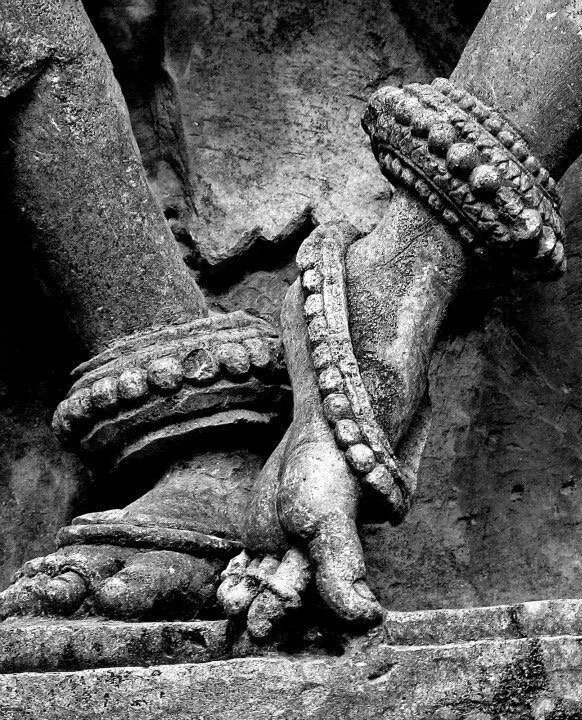
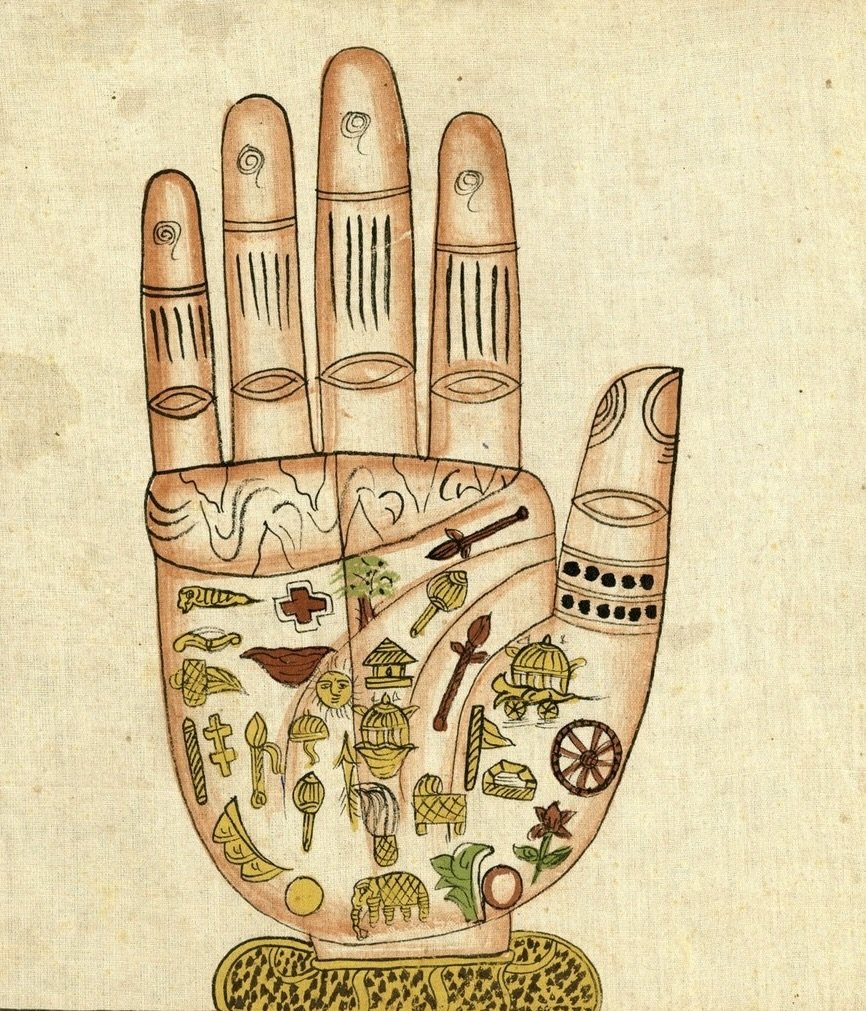
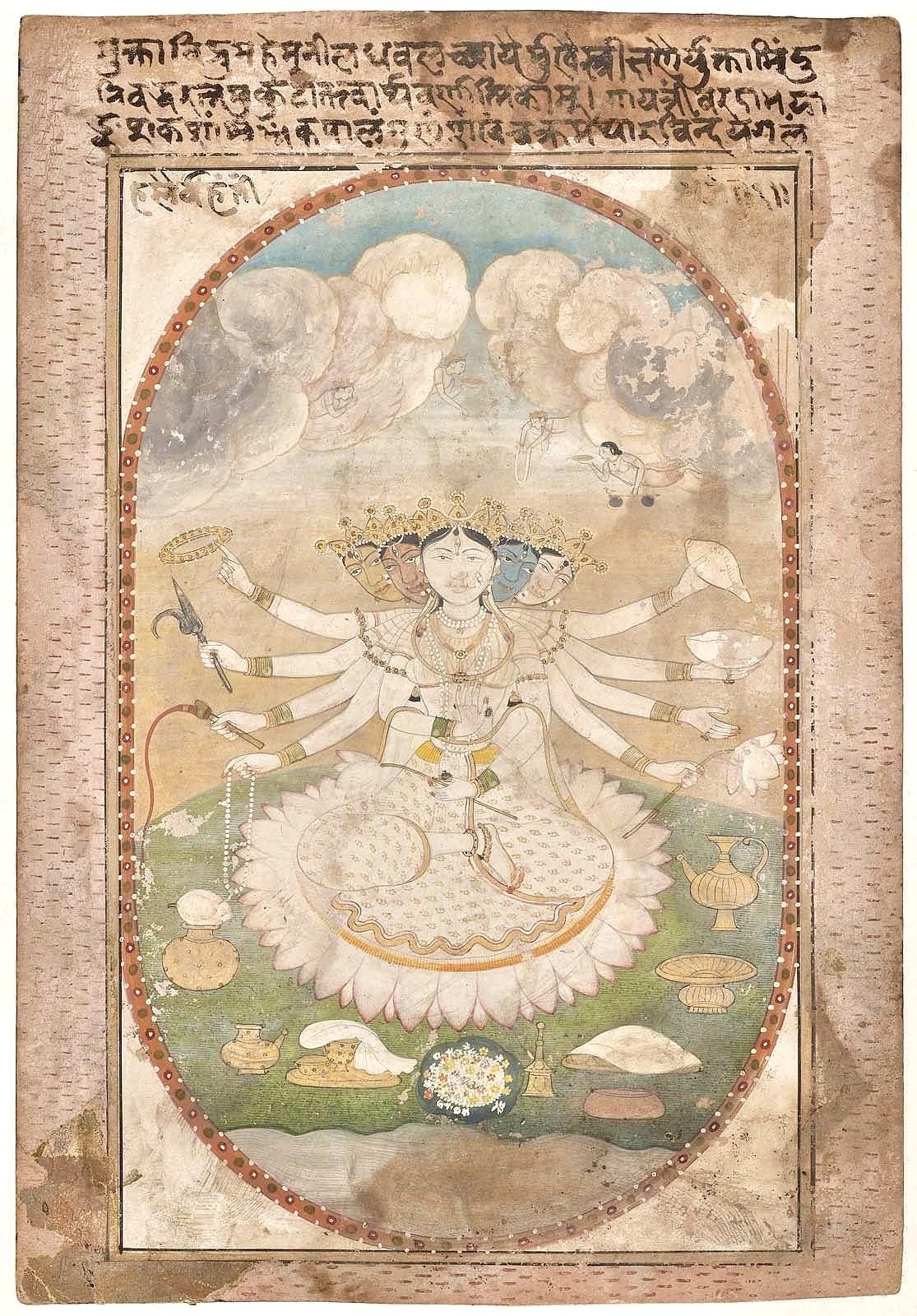
Hasta reveals itself through five stars of the Corvus constellation, forming what the ancient ṛṣis perceived as an open hand—five fingertips poised in space beneath Kanyā (Virgo), near the brilliance of Spica.

Sitting at the heart of an artha trikoṇa, ruled by Savitṛ, the life-giving solar intelligence, this constellation illumines the power of skilled creation—the capacity to shape, refine, and fashion something meaningful into form. 

Its animal totem, the female buffalo, revered as a bearer of abundance and sustaining strength, reflects the quiet power to bring forth; its śakti, Hasta Sthāpanīyāgama, holds the energy to gain what one seeks and place it into the palm of the hand.

Channel your creativity, especially in tasks requiring skill and dexterity. This is a very mental nakṣatra—use discernment to align with higher thinking and listen to your intuition.

What is gained here, however, must be held with intelligence.
Artwork: Pinterest

This is not a nakṣatra of acquisition alone, but of right use. The hand is the instrument of karma—what reaches, receives, makes, tends, blesses, and builds—and what comes into it carries responsibility.

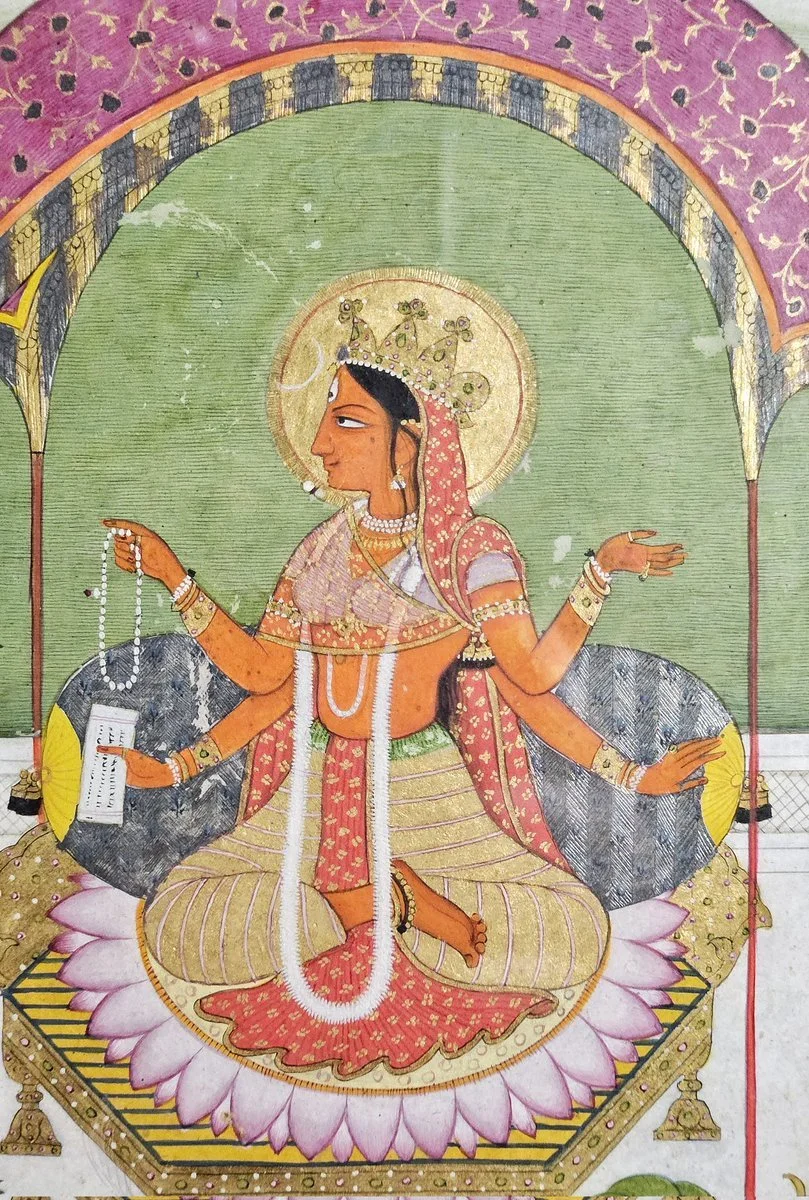
Skill here is cultivated, not assumed. It is intelligence refined through restraint, repetition, and guidance. This is the current of Gayatrī—an intelligence purified enough to illumine action without distortion, to move without waste, to act without losing alignment.

This nakṣatra carries a strong mental charge. When guided, the mind becomes precise, dexterous, capable of exacting execution. When unguided, that same intelligence fragments—overreaching, over-calculating, dissipating what it has the power to gather.

There is consequence here.

What comes into the hand may be stabilized and carried forward, or spent. Merit may be directed, or depleted. This is where impulse, indulgence, or misalignment exhaust what has been earned. What is received is not the completion—it is the beginning of a subtler test.

The hand holds two possibilities. It may close—grasping, clinging, attempting to control. Or it may remain open—steady, skillful, and in service. One depletes. The other learns how to hold.

There is also the question of guidance. Without right orientation, intelligence becomes manipulation, action becomes misaligned, and effort becomes excessive. With it, something else moves—clean, measured, exact.

Within the larger movement of this cycle, this full moon marks a point of quiet precision. We are approaching a time where what has been in motion begins to take form. But this is not a moment for hurried grasping. It is a moment for steadiness.

In Hasta, the transformation of material into beauty is exacting—it asks for attention, restraint, and right use of what has been given. What comes into the hand is not by accident—it reflects what has been prepared for, and how it is met determines whether it endures.

As you hold the vision of that which you would like to bring into fruition, return to this place. Neither grasping nor resisting. Neither forcing nor withdrawing.

Stay at the center of your own wheel—steady, inwardly anchored, and discerning.

We are approaching a time where things are able to land. What is already within reach now asks to be met with clarity. What takes form here carries forward. Hold it well.

Artwork: Pinterest

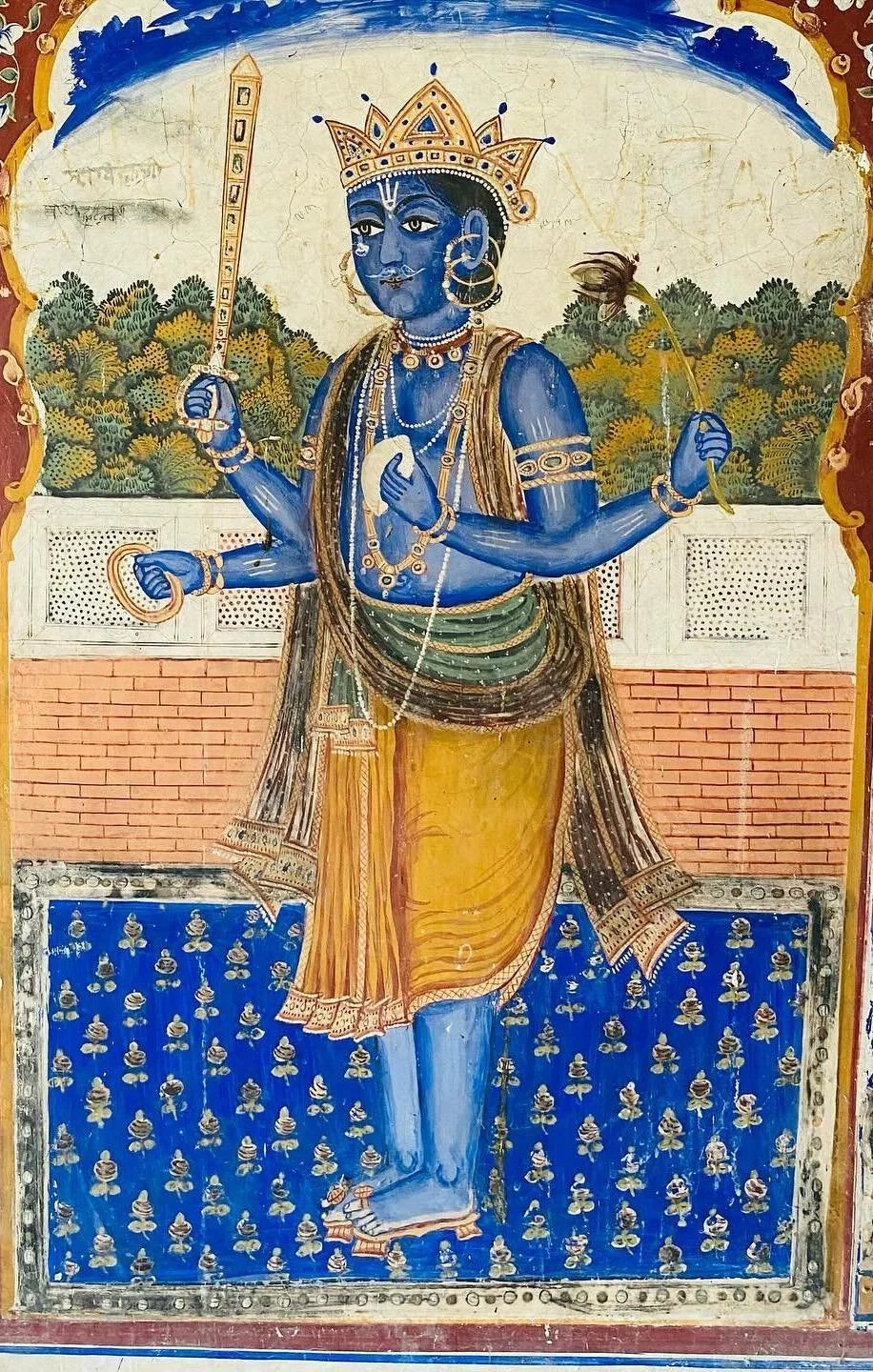
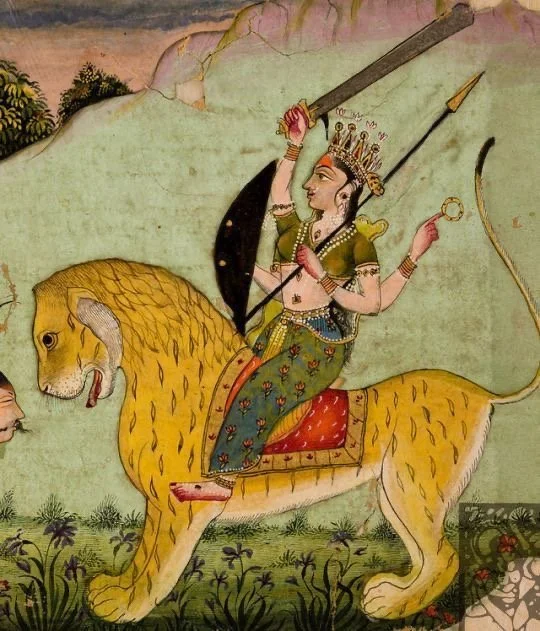
This full moon also marks the sacred observance of Hanuman Jayantī हनुमज्जयंती. Hanuman, the son of Vāyu (the wind god) and an ardent devotee of Rāmacandra, the seventh incarnation or āvatār of Lord Viṣṇu, is regarded as the embodiment of unwavering devotion, courage, humility, and selfless service.

जय श्री राम | jaya śrī rāma

All my Relations, Tulsi 

दशमे युगे यतीनाम् ब्रह्मा भवति सारथिः॥

Daśame yuge yatīnām brahmā bhavati sārathiḥ.

For those established in self-referral consciousness, the infinite organizing power of the Creator becomes the charioteer of all action. - Ṛk Veda 

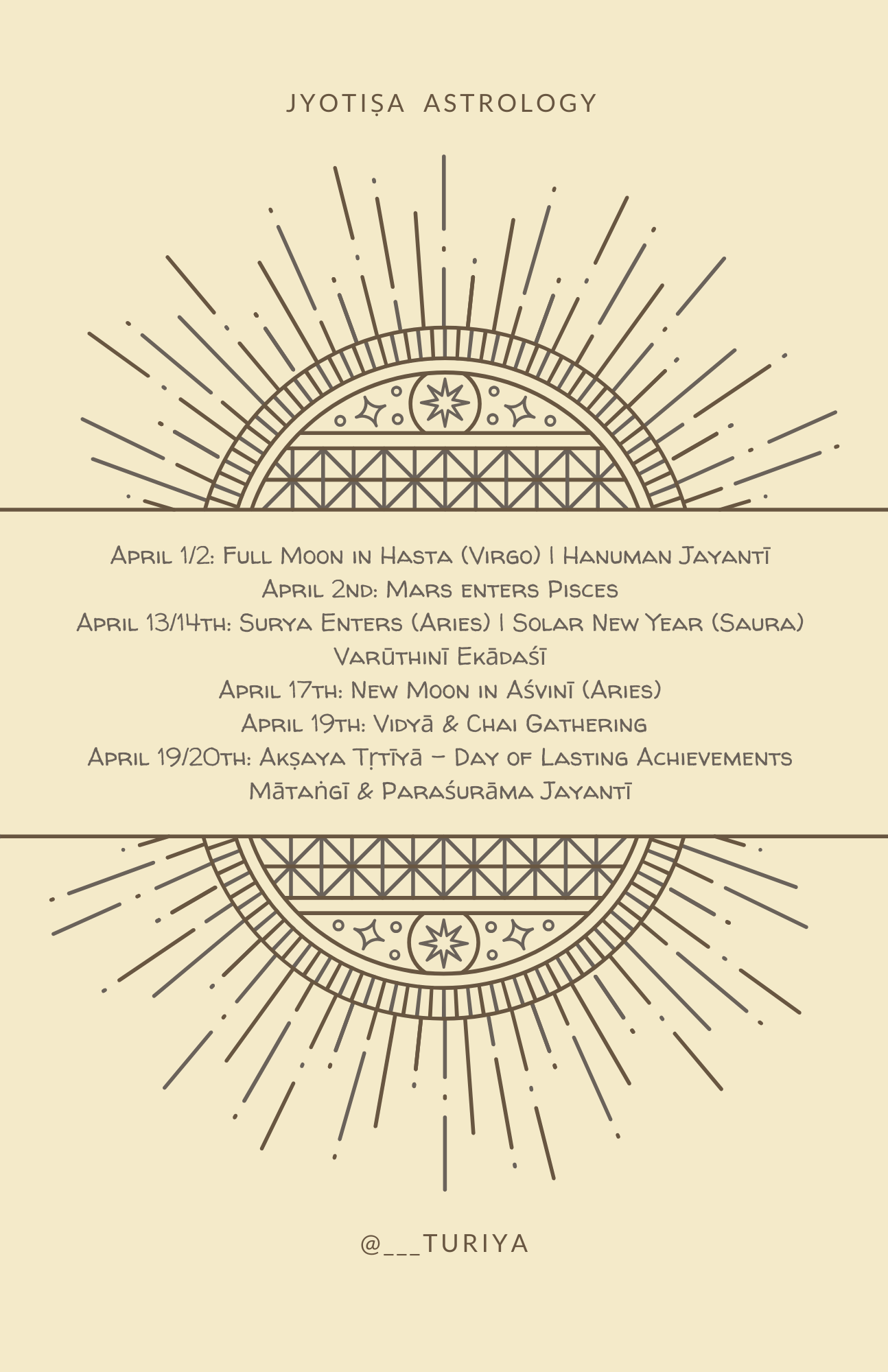
Join us for our monthly Vidyā & Chai New Moon gathering, honoring the sacred observance of Akṣaya Tṛtīyā and attuning to the emergence of a potent new cycle under the New Moon in Aśvinī (Aries).

All are welcome
Mercury Stations Direct in Śatabhiṣā: The Veiling Star

MERCURY STATIONS DIRECT

March 21st

Budha graha stations direct on March 21st in the Vedic Lunar mansion of Śatabhiṣā शतभिषा (Aquarius), The Veiling star.

Śatabhiṣā, the constellation of the vow, is comprised of a hundred stars or physicians and is ruled by Varuṇa, the god of the night sky and the cosmic and terrestrial waters. Varuṇa’s role is to ensure that all things align with cosmic order, awakening within us the desire to pierce the veil of darkness and enter the void.

Much like its animal symbol, the horse—civilization’s first sacred medicine—this nakṣatra embodies both mystical and physical powers, allowing it to bear heavy burdens over great distances.

Śatabhiṣā holds Bheshaja śakti, the awakening energy to heal, support, and redeem, as the trials and tribulations experienced under the star of the divine healer arise to rectify our path. What once felt confusing can become a vehicle for profound self-realization and even redemption.

We must use great discrimination to inform the actions we take with grahas in Śatabhiṣā. We recently had a cluster of planets here at the beginning of March, churning these deeper energies; now only Mercury and Rāhu remain in the Veiling Star.

Mercury stationed retrograde on February 26th in Pūrvabhādrapadā — punctuating a passage of deep reflection, reimagination, and renewal. As the one who bestows discernment, Budha retrograde invited you to return to the center of your wheel, and as he retraced his steps through Pūrvabhādrapadā, what had already been set into motion gathered weight, asking to be met with greater clarity and consequence.

Mercury stepped back into Śatabhiṣā on March 10th (revisiting energies from 2.7-2.14) and will pass through Pūrvabhādrapadā for the third time April 1st - 13th.

We are being churned now, invited to go deeper and pierce the veil. What is being revealed to you? Some knots may be untangling, while other moments call us to step up and take responsibility.

Many have been brought to their knees in the past few weeks and have been reaching to define a sense of meaning in their life. Who am I? What am I doing? Where am I going? Know that you’re not alone if these questions have been preoccupying the mind.

When circumstances in our life shift, our narrative too must pivot. Have you been gathering your sense of meaning in life from a title, relationship, or belief you once held? This cycle can produce a reawakening of our vital energies that draws us away from identifying with anything on the outside and into a deeper understanding of ourselves.

As Mercury stations direct in Śatabhiṣā, the veil begins to lift. What was once veiled starts to reveal its deeper pattern, and the discernment of Budha slowly returns to the mind. Under Varuṇa’s watchful gaze, the truths that have surfaced cannot be unseen; they ask to be integrated so that our actions once again align with ṛta—the cosmic order.

From this place, healing becomes possible. What once felt like confusion or disorientation may reveal itself as the medicine that redirected your course. With greater clarity emerging in the weeks ahead, a more stable foundation begins to form—one from which thoughtful movement forward can begin.

As Mercury moves forward again—amplifying its qualities—we may find ourselves changing our minds as it moves through its shadow period over the coming weeks. Continue to distill the wisdom and lessons that have been presenting themselves since pre-eclipse season (February 17th). 

On the other side of Navarātri, by early to mid-April, clarity begins to settle, offering firmer ground beneath your feet and the sense that the pieces are finally aligning. From that foundation, movement becomes possible again—measured, intentional, and informed by what has been revealed.

All my Relations, Tulsi 

Be patient toward all that is unsolved in your heart and try to love the questions themselves, like locked rooms and like books that are now written in a very foreign tongue. Do not now seek the answers, which cannot be given you because you would not be able to live them. And the point is, to live everything. Live the questions now. Perhaps you will then gradually, without noticing it, live along some distant day into the answer. - Rainer Maria Rilke

Chaitra Navarātri: The Nine Nights of the Divine Feminine

CHAITRA NAVARĀTRI

March 19th - 27th

Chaitra Navarātri begins on the Pratipadā tithi in the Śukla Pakṣa of Chaitra, marking nine days of devotion and renewal, culminating with Rāma Navamī. This festival celebrates the arrival of spring, symbolizing blossoming life and spiritual purification.

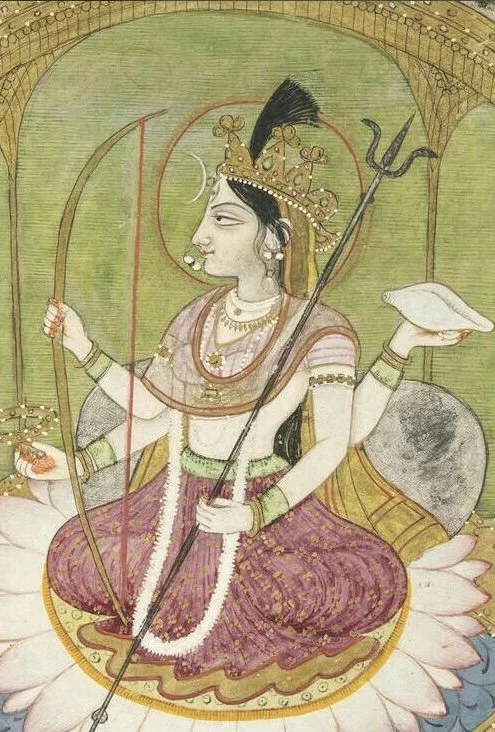
Dedicated to Goddess Durgā and her nine forms (Navadurgā), Navarātri is a time of deep transformation. In Śrīvidyā traditions, it is also associated with Mahāvidyā Tripura Sundarī — The Beautiful One of the Three Cities (also known as Mā Ambikā and Rāja Rājeśvarī), the embodiment of supreme beauty, clarity, and refined discernment. Through her grace, we learn to see beyond the architecture of illusion, aligning with the deeper intelligence that orchestrates all things.

An internal quest is invoked to locate our seat within the heart of the Goddess. In a world that seizes our attention to seek truth outside ourselves, we’re called to go deeper within and cultivate a direct experience with Her.

Devī is that awakening force, the primordial energy within us awaiting our attention. Yoga teaches that whatever we focus on grows stronger in our lives. Move beyond your ideas of who she is and how she can be reached.

This window is ripe for putting into practice the teachings found in the yoga śāstra. In quieting our mind and embracing both our shadows and light — we’re called to enter that space and transcend.

As we tend to śakti and establish a foundation in Her, we awaken our power to focus and draw our energies inside — this continued focus is active meditation calling us to become absorbed in Her.

She is the embodiment of all that is and ever will be; She is our breath and gives life to all. Yet she cannot be reached by contemplation or intellectual understanding; she can only be touched through direct experience — requiring digestion and stabilization to be truly lived.

Can you answer that call?

ॐ श्री मात्रे नमः 

This Pratipadā tithi also marks Ugadi, the beginning of the new year in the South Indian lunisolar calendar — a threshold of renewal and the opening of a new cycle.

New moon in Uttara Bhādrapadā: The Latter Blessed Star

NEW MOON IN UTTARA BHĀDRAPADĀ

March 18/19th

The March New Moon अमावस्या occurs in Uttara Bhādrapadā उत्तरभद्रपदा (sidereal Pisces), the Vedic lunar mansion known as the Latter Blessed Star.

Uttara Bhādrapadā, marking the zenith of Saturnine energy, is illumined by two bright stars—one in Pegasus and the other in Andromeda—seen by the ancient Vedic seers as the back legs of a funeral cot. Together with two stars of Pūrva Bhādrapadā, they form the rectangular bed known as the Square of Pegasus.

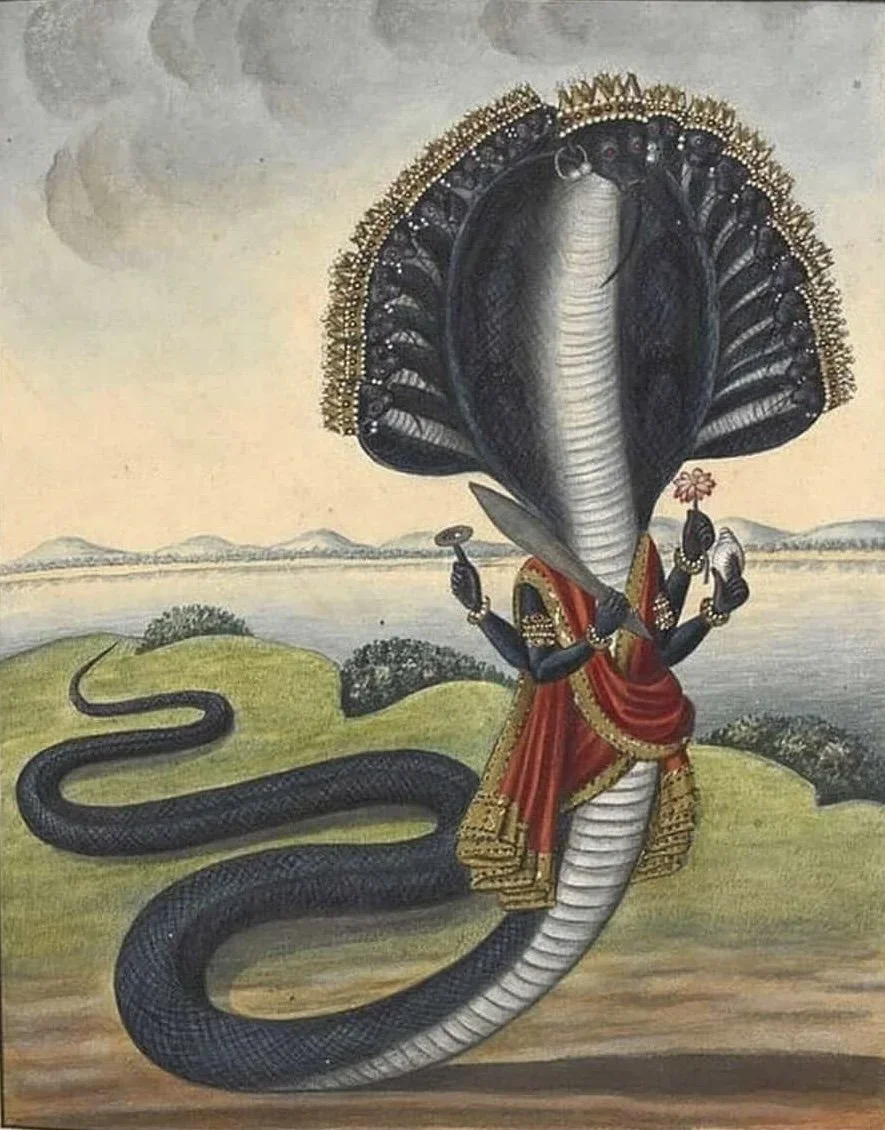
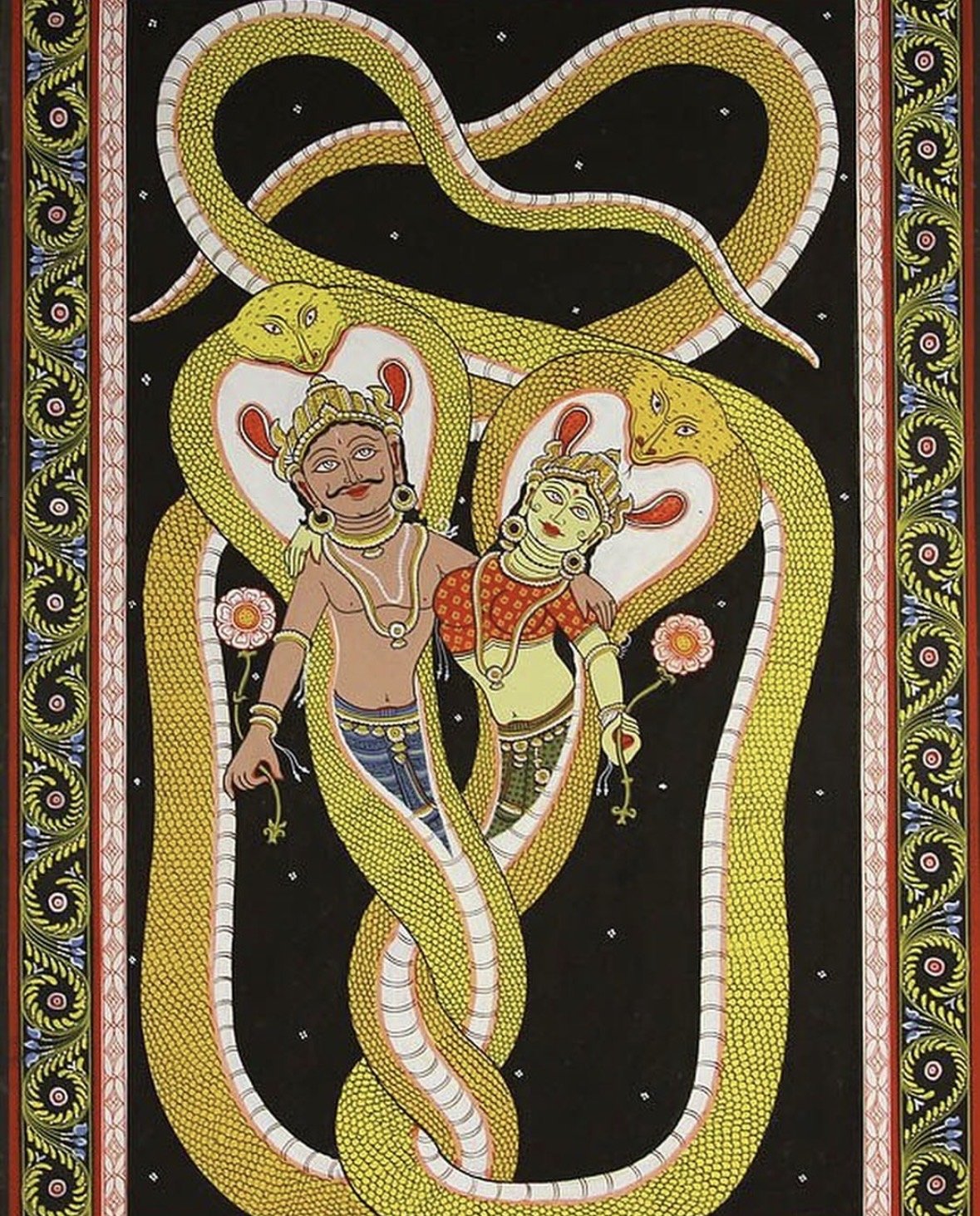
This powerful asterism resides at the heart of the last water sign, in a mokṣa bhāva (house of liberation), ruled by ākāśa tattva (ether element) and Ahirbudhnya (Serpent of the Deep).

Artowrk: Pinterest

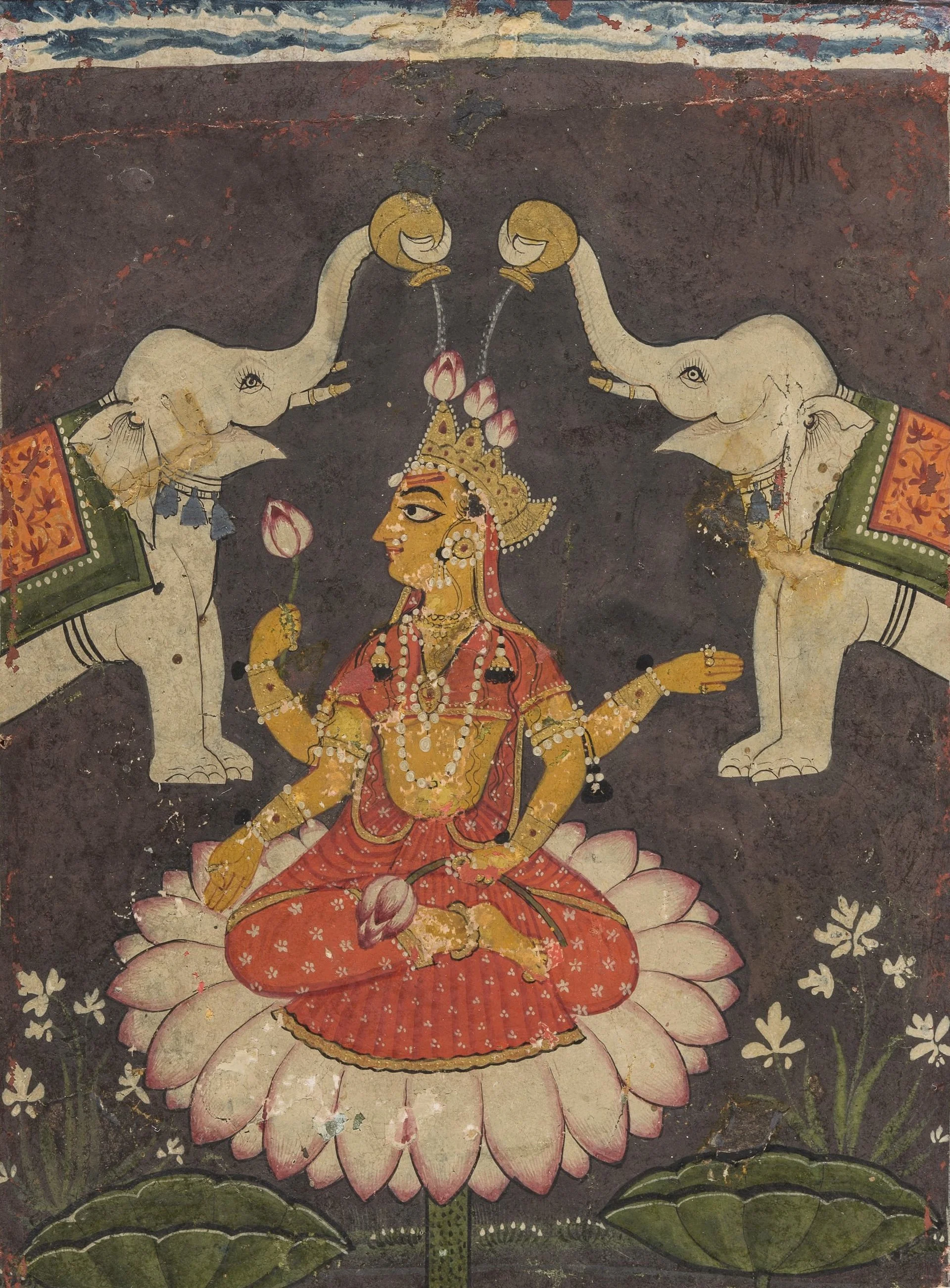
As the seat of Mahā Lakṣmī, this nakṣatra is deeply connected to the fertility of both earth and sky, excavating the unconscious, harmonizing the universal mind, and gaining wisdom through experience, humility, and self-sacrifice.

Its Varṣodtamana Śakti — the energy to bring rain and grow what has been planted — speaks to a deeper desire to establish a stable and enduring foundation with this lunation cycle.

We are now on the other side of Jupiter turning direct in Punarvasu (Gemini) and the distillation of eclipse season. There is a churning which stirs a desire for balance — a balance gained through stabilizing all that you’ve been learning over these past couple of months, which is now beginning to land. 

Jupiter’s retrograde invited a deeper reflection on our beliefs, wisdom, growth, and what truly sustains abundance, and with his direct motion the insights gathered through that inward journey begin to move forward again with greater clarity.

After the igniting threshold of tapasya, the New Moon in Uttara Bhādrapadā brings the quiet work of stabilization, where what was sparked in the previous star settles into deep waters, the fire of transformation now tempered and integrated into something enduring.

Artwork: Pinterest

Mercury will also station direct in Śatabhiṣā (Aquarius) on the 21st, bringing discernment to distill what has been unfolding and clarify the way forward.

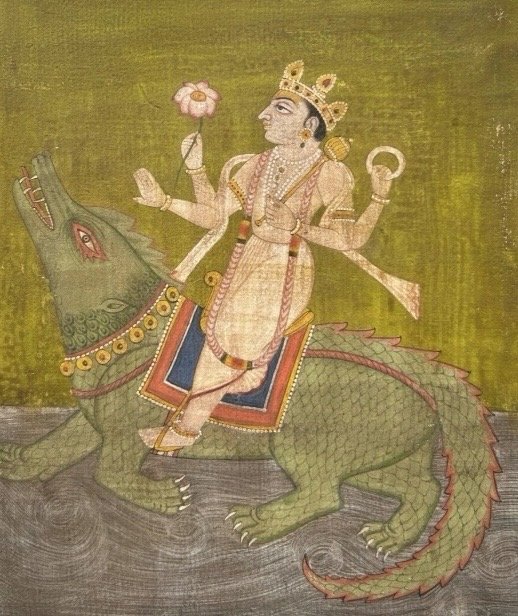
Counted among the eleven Rudras—forms of Śiva—Ahirbudhnya is linked to fertility, Kuṇḍalinī energy, and the subconscious forces of Nature. His energy is both creative and destructive, reflecting the profound alchemy of transformation and spiritual awakening that unfolds in the hidden depths.

Artwork: Pinterest

Beneath this lunation, a quieter movement may also be sensed within the collective field of consciousness. Uttara Bhādrapadā, associated with twin foundations, gestures toward the reconciliation of polarity—the subtle healing of the ancient myth of separation between masculine and feminine principles.

Here the work is subtle yet immense. Uttara Bhādrapadā invites us to descend beneath the surface of the linear mind and listen to the deeper currents of consciousness. In these waters, insight matures slowly; the unconscious is stirred and illuminated, and what was once fragmented begins to harmonize within the greater field of universal (one) mind. 

The invitation of this New Moon is not urgency but surrender—to allow what has been awakened to stabilize, deepen, and quietly take root as we step into Navarātri, the nine nights of the Divine Feminine.


“You cannot cross the sea merely by standing and staring at the water.” — Rabindranath Tagore

All my Relations, Tulsi

If you feel called to explore your own chart through the lens of Jyotisa, you can book a private consultation here.