New moon in Uttara Bhādrapadā: The Latter Blessed Star

NEW MOON IN UTTARA BHĀDRAPADĀ

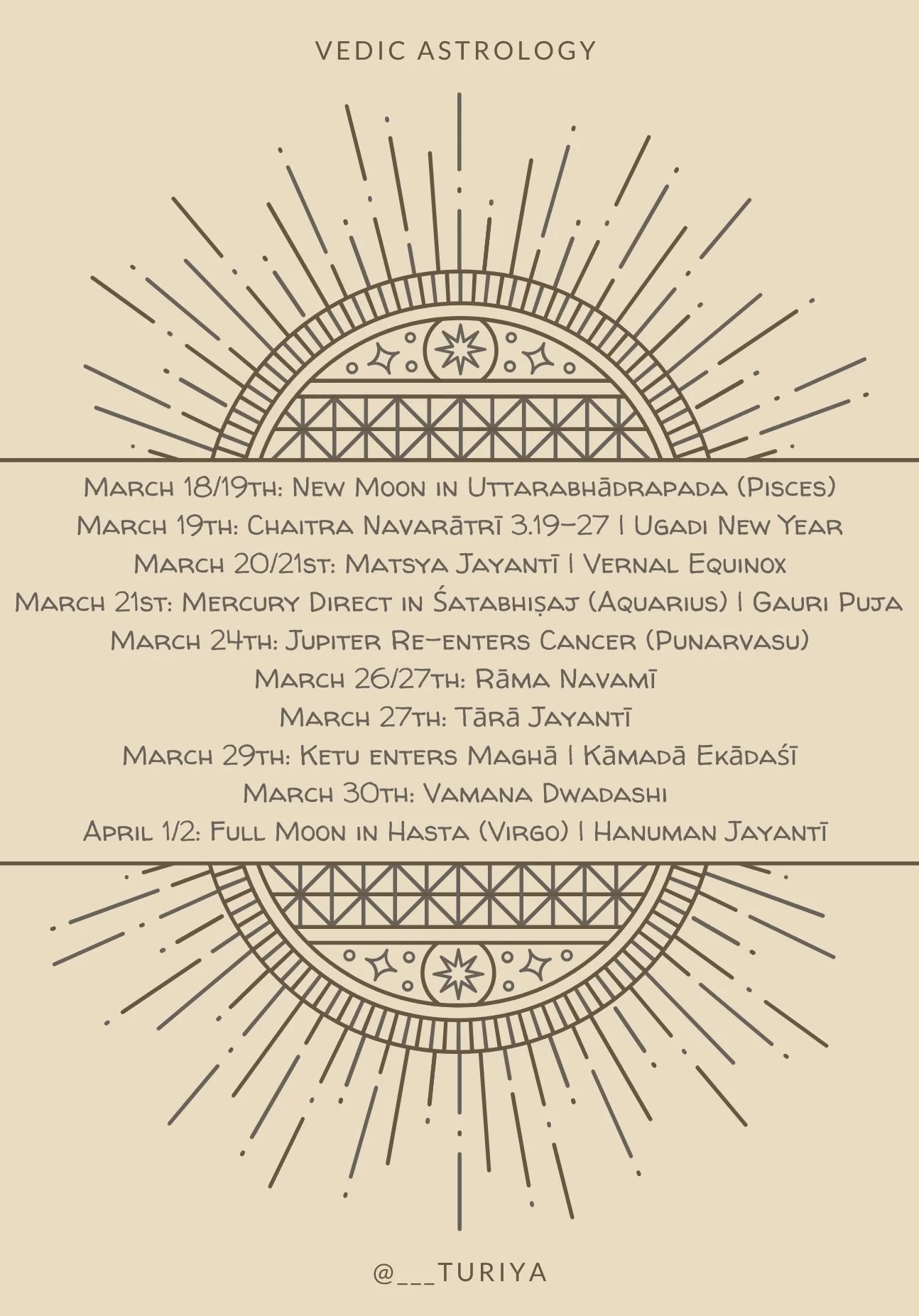
March 18/19th

The March New Moon अमावस्या occurs in Uttara Bhādrapadā उत्तरभद्रपदा (sidereal Pisces), the Vedic lunar mansion known as the Latter Blessed Star.

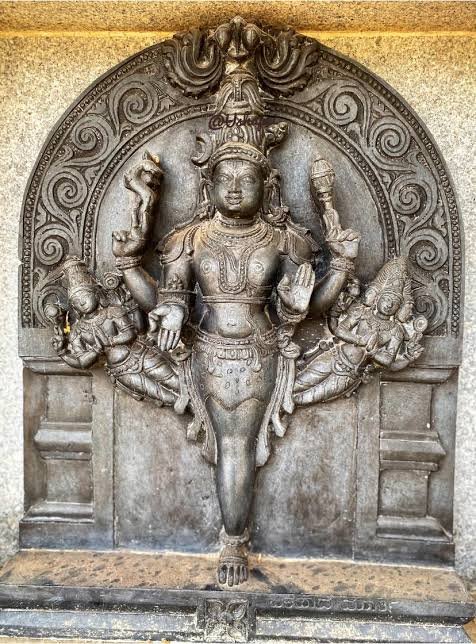
Uttara Bhādrapadā, marking the zenith of Saturnine energy, is illumined by two bright stars—one in Pegasus and the other in Andromeda—seen by the ancient Vedic seers as the back legs of a funeral cot. Together with two stars of Pūrva Bhādrapadā, they form the rectangular bed known as the Square of Pegasus.

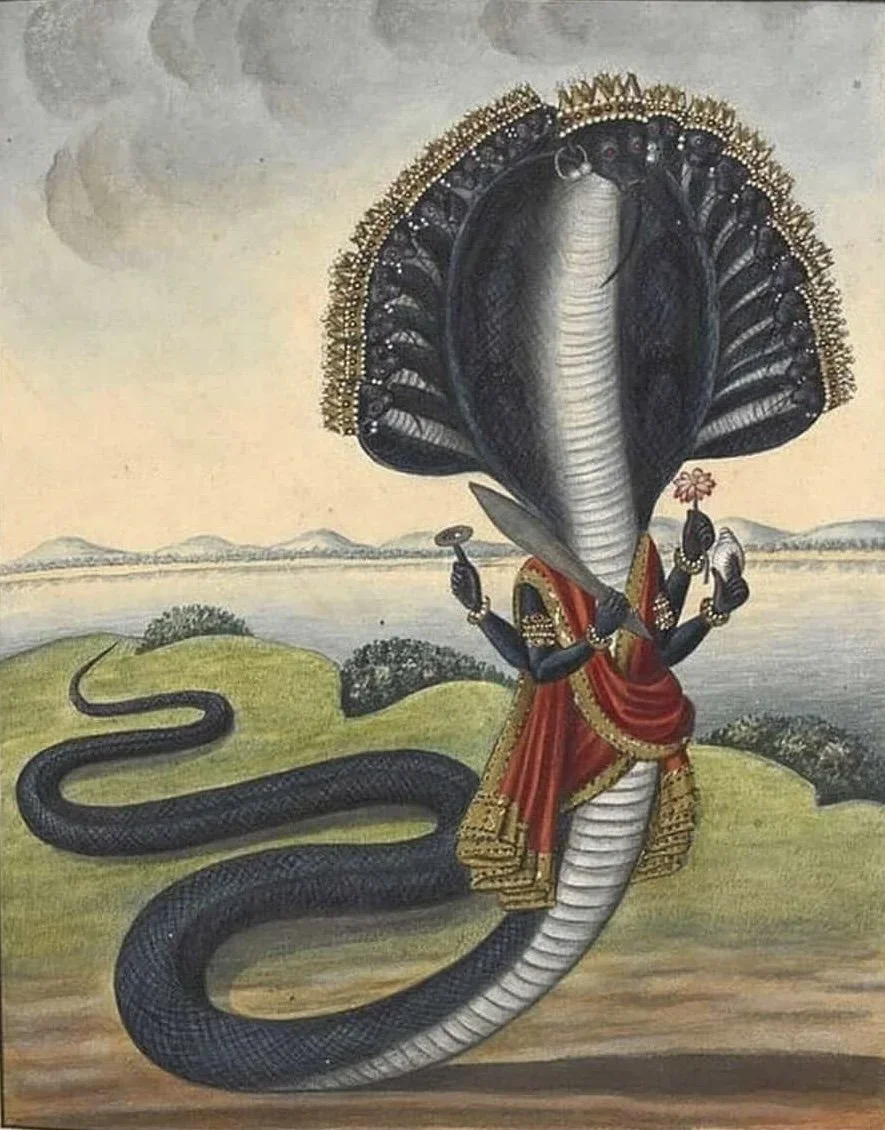
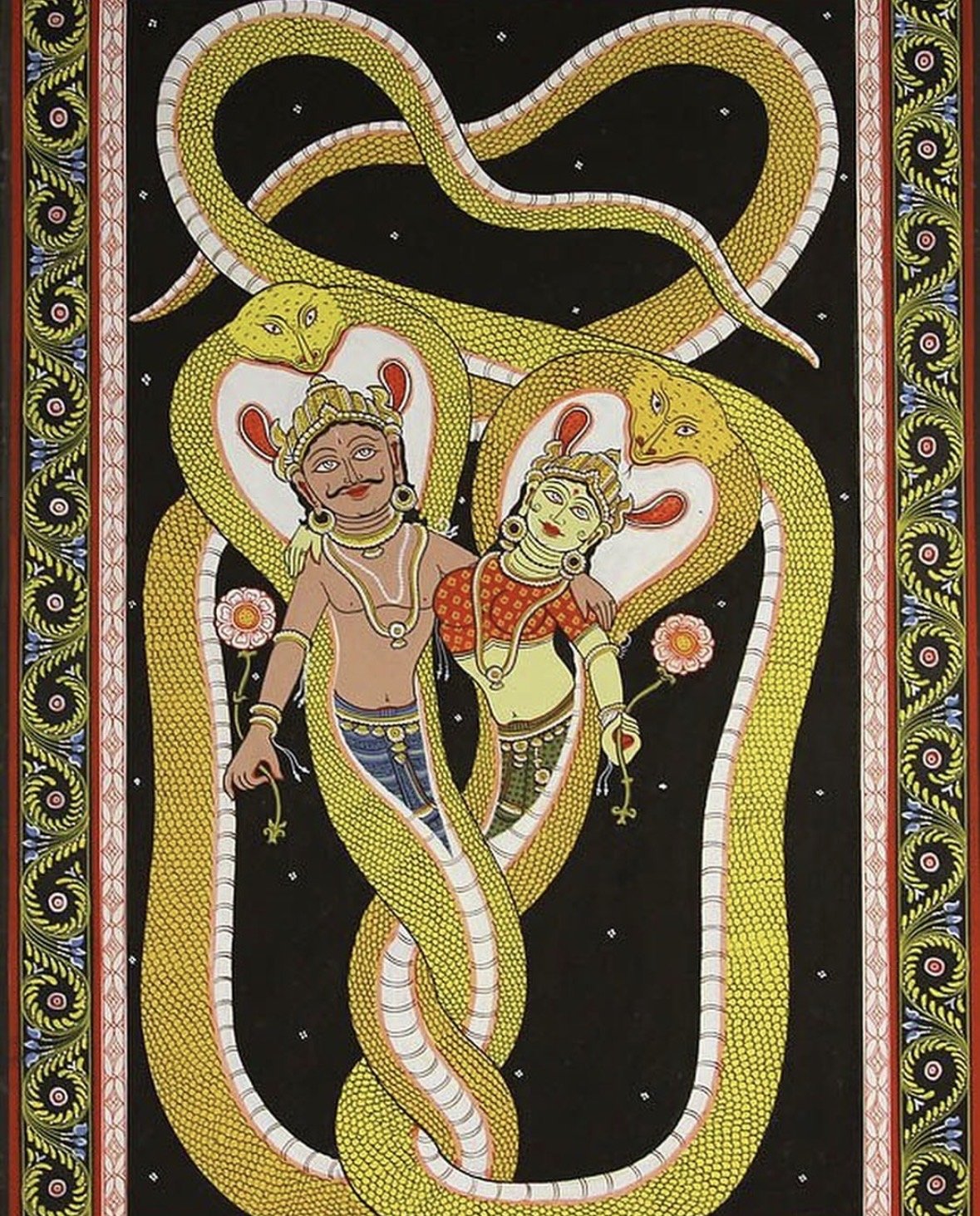
This powerful asterism resides at the heart of the last water sign, in a mokṣa bhāva (house of liberation), ruled by ākāśa tattva (ether element) and Ahirbudhnya (Serpent of the Deep).

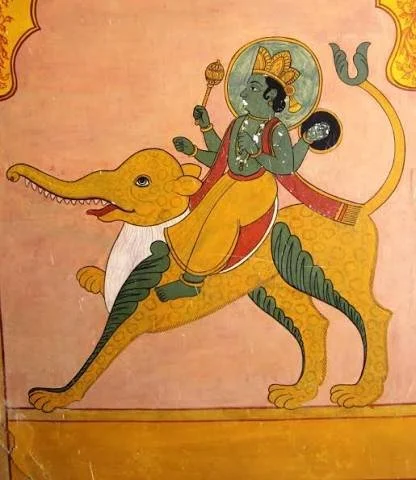
Artowrk: Pinterest

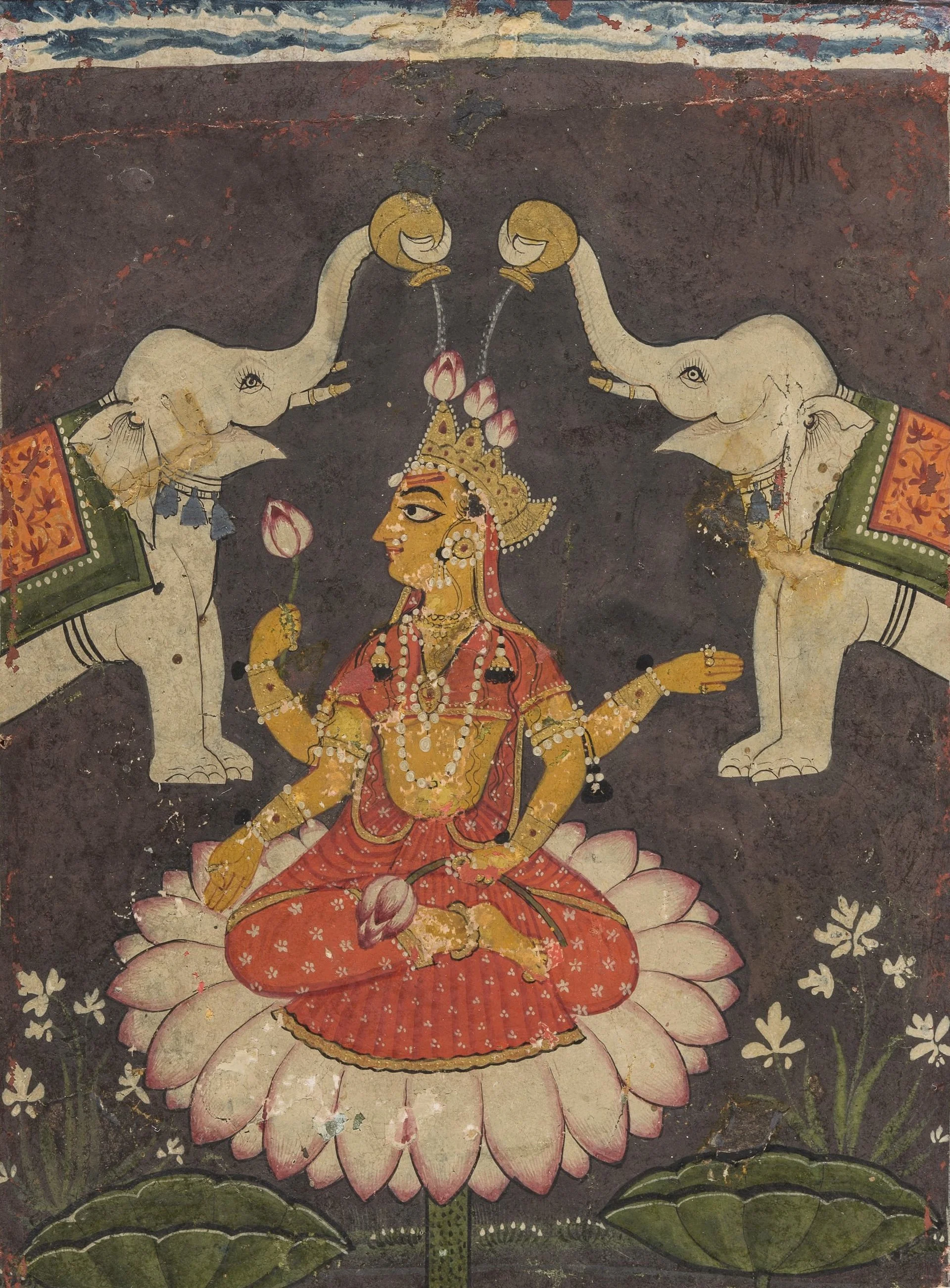
As the seat of Mahā Lakṣmī, this nakṣatra is deeply connected to the fertility of both earth and sky, excavating the unconscious, harmonizing the universal mind, and gaining wisdom through experience, humility, and self-sacrifice.

Its Varṣodtamana Śakti — the energy to bring rain and grow what has been planted — speaks to a deeper desire to establish a stable and enduring foundation with this lunation cycle.

We are now on the other side of Jupiter turning direct in Punarvasu (Gemini) and the distillation of eclipse season. There is a churning which stirs a desire for balance — a balance gained through stabilizing all that you’ve been learning over these past couple of months, which is now beginning to land. 

Jupiter’s retrograde invited a deeper reflection on our beliefs, wisdom, growth, and what truly sustains abundance, and with his direct motion the insights gathered through that inward journey begin to move forward again with greater clarity.

After the igniting threshold of tapasya, the New Moon in Uttara Bhādrapadā brings the quiet work of stabilization, where what was sparked in the previous star settles into deep waters, the fire of transformation now tempered and integrated into something enduring.

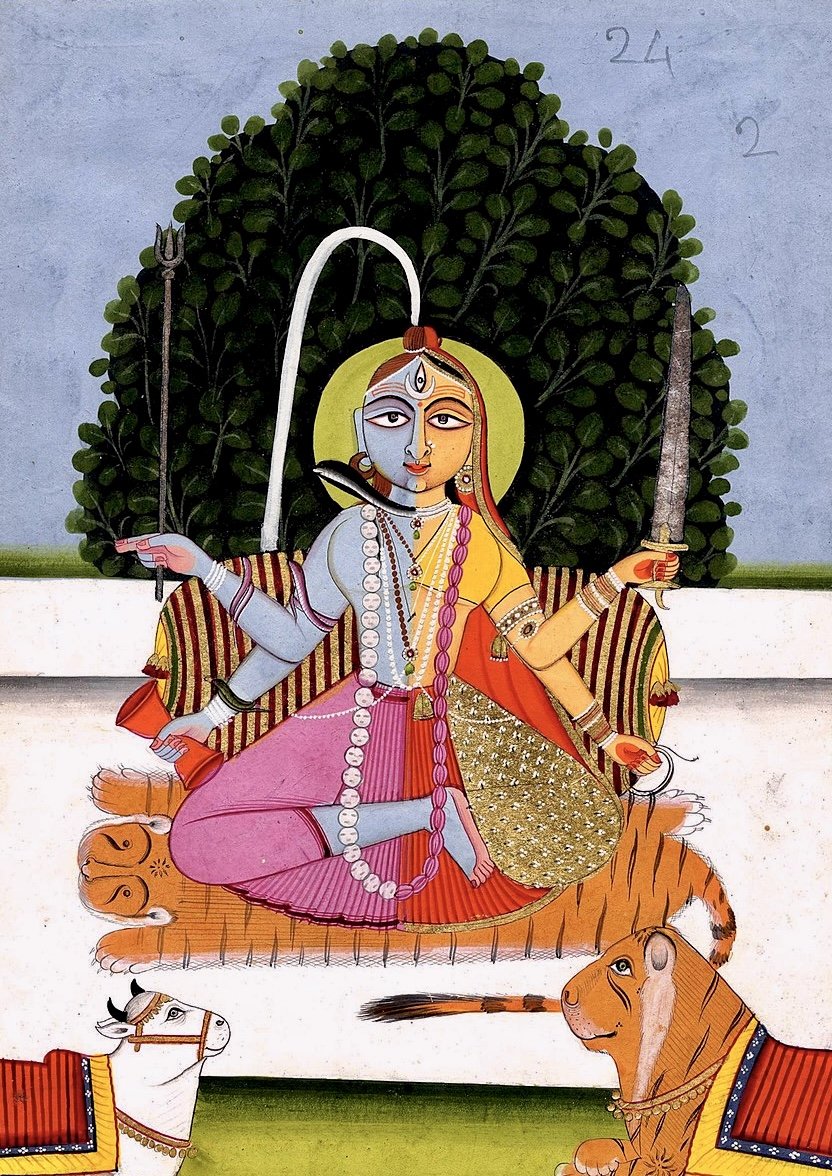
Artwork: Pinterest

Mercury will also station direct in Śatabhiṣā (Aquarius) on the 21st, bringing discernment to distill what has been unfolding and clarify the way forward.

Counted among the eleven Rudras—forms of Śiva—Ahirbudhnya is linked to fertility, Kuṇḍalinī energy, and the subconscious forces of Nature. His energy is both creative and destructive, reflecting the profound alchemy of transformation and spiritual awakening that unfolds in the hidden depths.

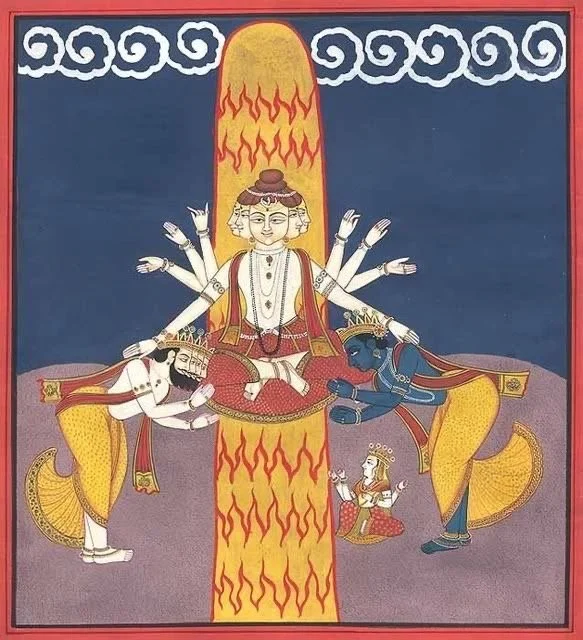
Artwork: Pinterest

Beneath this lunation, a quieter movement may also be sensed within the collective field of consciousness. Uttara Bhādrapadā, associated with twin foundations, gestures toward the reconciliation of polarity—the subtle healing of the ancient myth of separation between masculine and feminine principles.

Here the work is subtle yet immense. Uttara Bhādrapadā invites us to descend beneath the surface of the linear mind and listen to the deeper currents of consciousness. In these waters, insight matures slowly; the unconscious is stirred and illuminated, and what was once fragmented begins to harmonize within the greater field of universal (one) mind. 

The invitation of this New Moon is not urgency but surrender—to allow what has been awakened to stabilize, deepen, and quietly take root as we step into Navarātri, the nine nights of the Divine Feminine.


“You cannot cross the sea merely by standing and staring at the water.” — Rabindranath Tagore

All my Relations, Tulsi

If you feel called to explore your own chart through the lens of Jyotisa, you can book a private consultation here.

Mercury Retrograde in Pūrvabhādrapadā: The Scorching Star

MERCURY RETROGRADE

02.26-03.21

Budha Graha (Mercury) stations retrograde on February 26th in the Vedic lunar mansion of Pūrvabhādrapadā पूर्वभाद्रपदा (Aquarius), the Scorching Star — punctuating a passage of deep reflection, reimagination, and renewal.

As the one who bestows discernment, Budha retrograde invites you to return to the center of your wheel, and as he retraces his steps through Pūrvabhādrapadā, what has already been set into motion gathers weight, asking to be met with greater clarity and consequence.

Pūrva Bhādrapadā is symbolized by metamorphosis, rebirth, tapas (penance), perseverance, and undifferentiated spiritual fire — the kind that has the capacity to raise our consciousness. As one of the birth stars of Mercury, it represents the churning of the chaos and turmoil of fragmentation that births the wisdom of neutrality.

The Burning Pair’s deity (Aja Ekapāda) stands on one leg and has two heads — split yet able to see in both directions — bridging heaven and earth through elevation and sacrifice.

Holding Yajamāna Udyamana Śakti — the power of elevation through sacrifice — Pūrvabhādrapadā initiates an alchemical refinement of raw potential. Through discipline and renunciation, this energy is transformed into awakened wisdom. 

This nakṣatra does not merely demand confrontation with duality; it invites us into a dance of integration, where material ambition and spiritual transcendence find their rightful place.

How we manage vast reservoirs of life force energy becomes the defining arc of this cycle, shaping our capacity to channel intensity into focused intention. Yet the cultivation of inner contentment amidst this dynamic flux is equally vital. 

Symbolized by a funeral pyre, we stand at the precipice of transformation, where the purifying fire of Rūdra dissolves illusion.

Coinciding with the Lunar Eclipse in Leo and accompanied by four other grahas, this passage through Pūrvabhādrapadā heightens its fire, bringing identity, authorship, and intention into sharper focus. What has been extreme seeks tempering. What has been scattered seeks coherence. What has been initiated now demands conscious integration.

It is a period of intellectual purification, where communication is tested and refined — not for speed, but for depth. Unresolved matters from the past — especially those placed on the back burner — may resurface, seeking resolution through contemplation rather than reaction. Through introspection and surrender, the trials of this transit lead not to confusion, but to spiritual illumination and ultimate liberation.

Mercury steps back into Śatabhiṣak on march 10th and stations direct there on March 21st, consolidating what has been clarified in flame and stabilizing the insight that emerged during the eclipse portal, guiding it into a landing space of integration, completion, and practical alignment.

With this stabilization, the energy ignited during this cycle officially sets the year of the Fire Horse ablaze, propelling what has been revealed into motion.

We are stepping powerfully into a new timeline. Some karmas are requesting completion, release, and unraveling. Return to the center of your wheel and step into greater balance and neutrality.

All My Relations

 ॐ ब्रां ब्रीं ब्रौं सः बुधाय नमः

Slow things down and they become more beautiful - David Lynch 

Mercury Retrograde in Uttara Bhādrapadā

Mercury Retrograde

March 15th - April 7th

Artwork: Unknown

Budha Graha (Mercury) stations retrograde on March 15th in the Vedic lunar mansion of Uttara Bhādrapadā उत्तरभद्रपदा (sidereal Pisces), the Warrior Star—punctuating a passage of deep reflection, reimagination, and renewal.

Budha (Mercury), fourth among the navagrahas (nine planets), the embodiment of rajo-guṇa (the mode of passion) and pṛthvī tattva (earth element), is revered as the radiant son of Chandra (the Moon), known for his golden eyes and tireless energy. He is also connected to Mahāvidyā Tripura Sundarī, who embodies supreme beauty, clarity, and the power of refined discernment.

Mercury bestows discernment and is the karaka (significator) of intellect, skill, talent, eloquent speech, the nervous system, storytelling, the student, negotiation, and neutrality. Just as Viṣṇu takes birth age after age to reestablish dharma and restore balance, mercury retrograde invites us to return to the center of our wheel

This powerful asterism resides at the heart of the last water sign, in a mokṣa bhāva (house of liberation), ruled by ākāśa tattva (ether element) and Ahirbudhnya (Serpent of the Deep). As the seat of Mahā Lakṣmī, this nakṣatra is deeply connected to the fertility of both earth and sky, dreamtime, the excavation of the unconscious, and the harmonization of universal mind. Here, we are beckoned to uncover hidden wisdom through humility, experience, and self-sacrifice—a śakti that is both transformative and karmic.

With Budha in Uttara Bhādrapadā conjunct Śukra (Venus) and Rāhu, rajo-guṇa is amplified, along with a heightened sense of protection. What is it that you are seeking to protect? A position you have claimed or wish to claim? A sense of personal justice? Or perhaps, your connection to source?

Mahāvidyā Śrī Lalitā Tripurā Sundarī | Kapoor Galleries Inc. wrote: Mandi, style of Sajnu, circa 1810

This transit embodies the dual current of existence, urging us to reconcile the spiritual and material realms. As Mercury retraces its path through the deep waters of Uttara Bhādrapadā, we encounter the mystical serpent—a force that strips away illusion, purges material toxins, and refines perception. This is a time when logic softens into intuition, and clarity arises not through analysis, but through surrender.

It is a period of intellectual purification, where communication is tested and refined—not for speed, but for depth. Unresolved matters from the past—especially those placed on the back burner—may resurface, seeking resolution through contemplation rather than reaction. Through introspection and surrender, the trials of this transit can lead not to confusion, but to spiritual illumination and ultimate liberation.

We are stepping powerfully into a new timeline—go inward to catch the memo of this time. Some karmas are requesting completion, release, and unraveling. How can you return to the center of your wheel and step into greater balance and neutrality?

Pay close attention if you have major planets—your Sūrya (Sun), Chandra (Moon), or Lagna (rising sign)—in Uttara Bhādrapadā, as this cycle may bring a lasting effect, especially with the New Moon Solar Eclipse occurring in this constellation on March 29th. Also, take note if you are currently running a daśā (major planetary period) or antara-daśā (sub-period) of Śani (Saturn).

For a more detailed look at what this means for you personally, I offer one-on-one consultations, which you can book directly at Jyotish Consultations

All My Relations

ॐ श्री मात्रे नमः | ॐ ब्रां ब्रीं ब्रौं सः बुधाय नमः