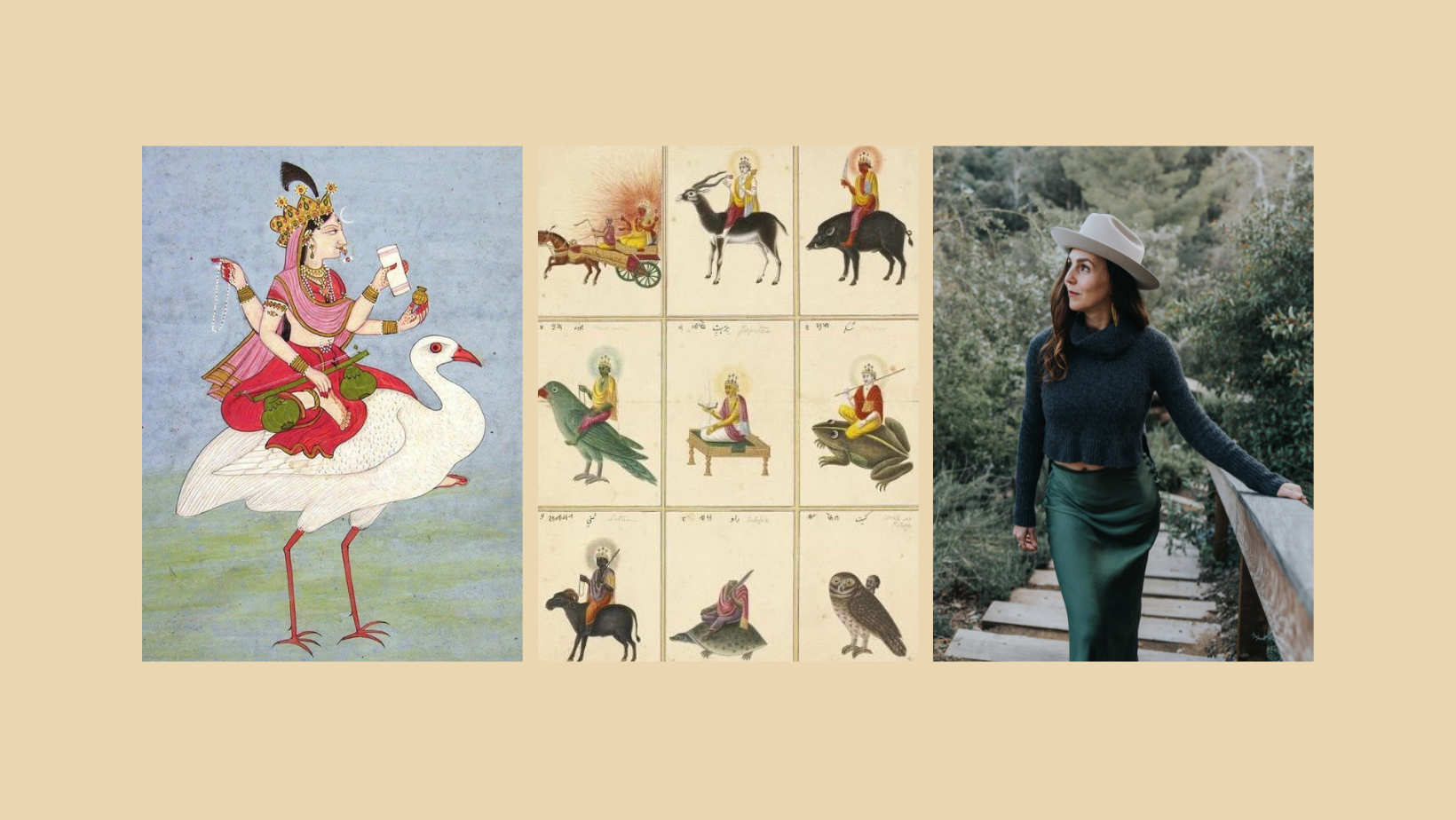
New moon in Uttara Bhādrapadā: The Latter Blessed Star

NEW MOON IN UTTARA BHĀDRAPADĀ

March 18/19th

The March New Moon अमावस्या occurs in Uttara Bhādrapadā उत्तरभद्रपदा (sidereal Pisces), the Vedic lunar mansion known as the Latter Blessed Star.

Uttara Bhādrapadā, marking the zenith of Saturnine energy, is illumined by two bright stars—one in Pegasus and the other in Andromeda—seen by the ancient Vedic seers as the back legs of a funeral cot. Together with two stars of Pūrva Bhādrapadā, they form the rectangular bed known as the Square of Pegasus.

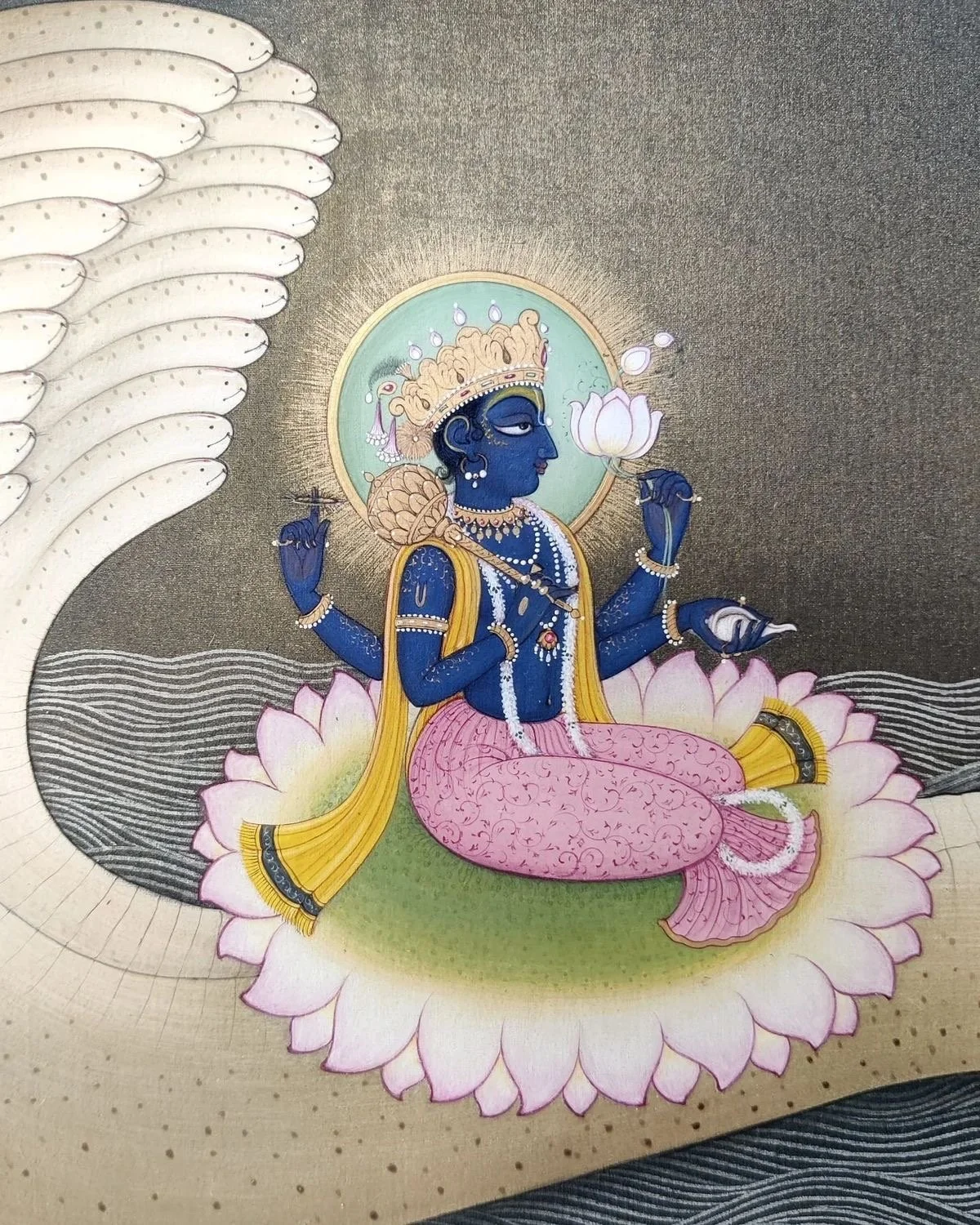
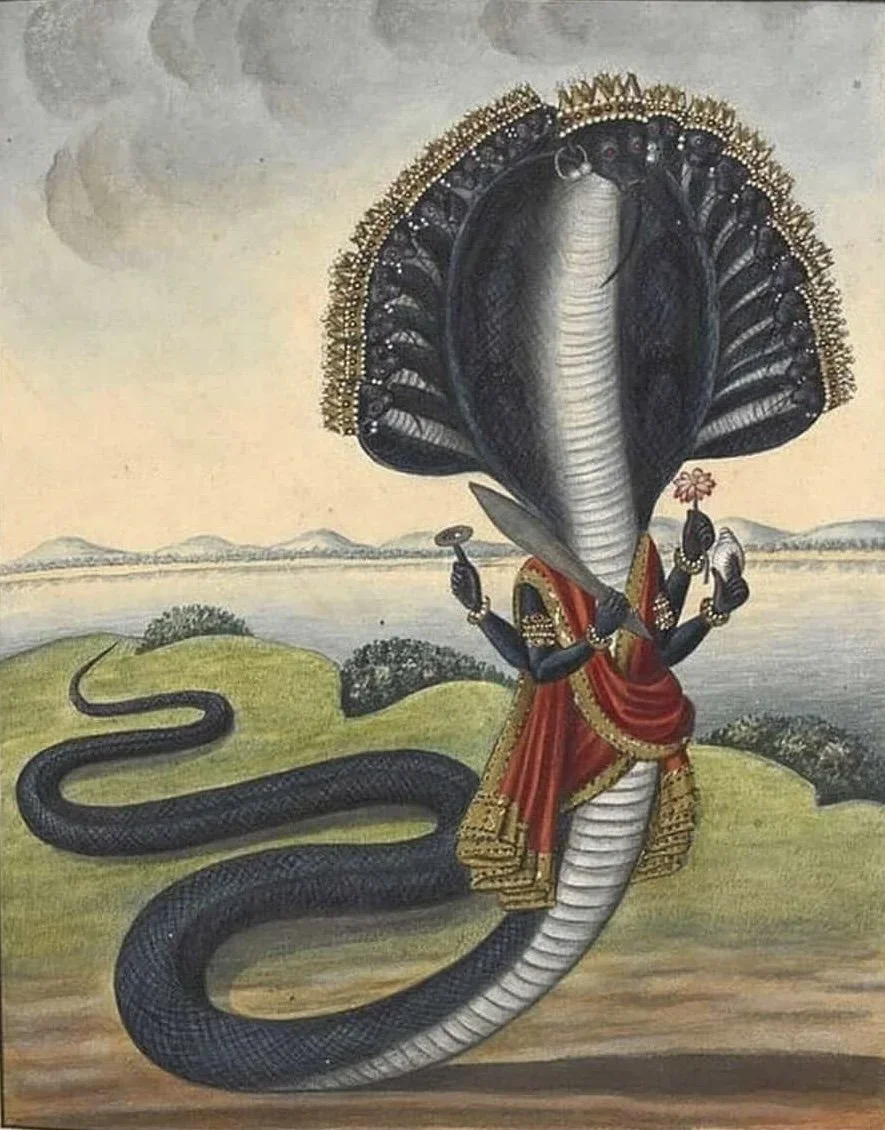
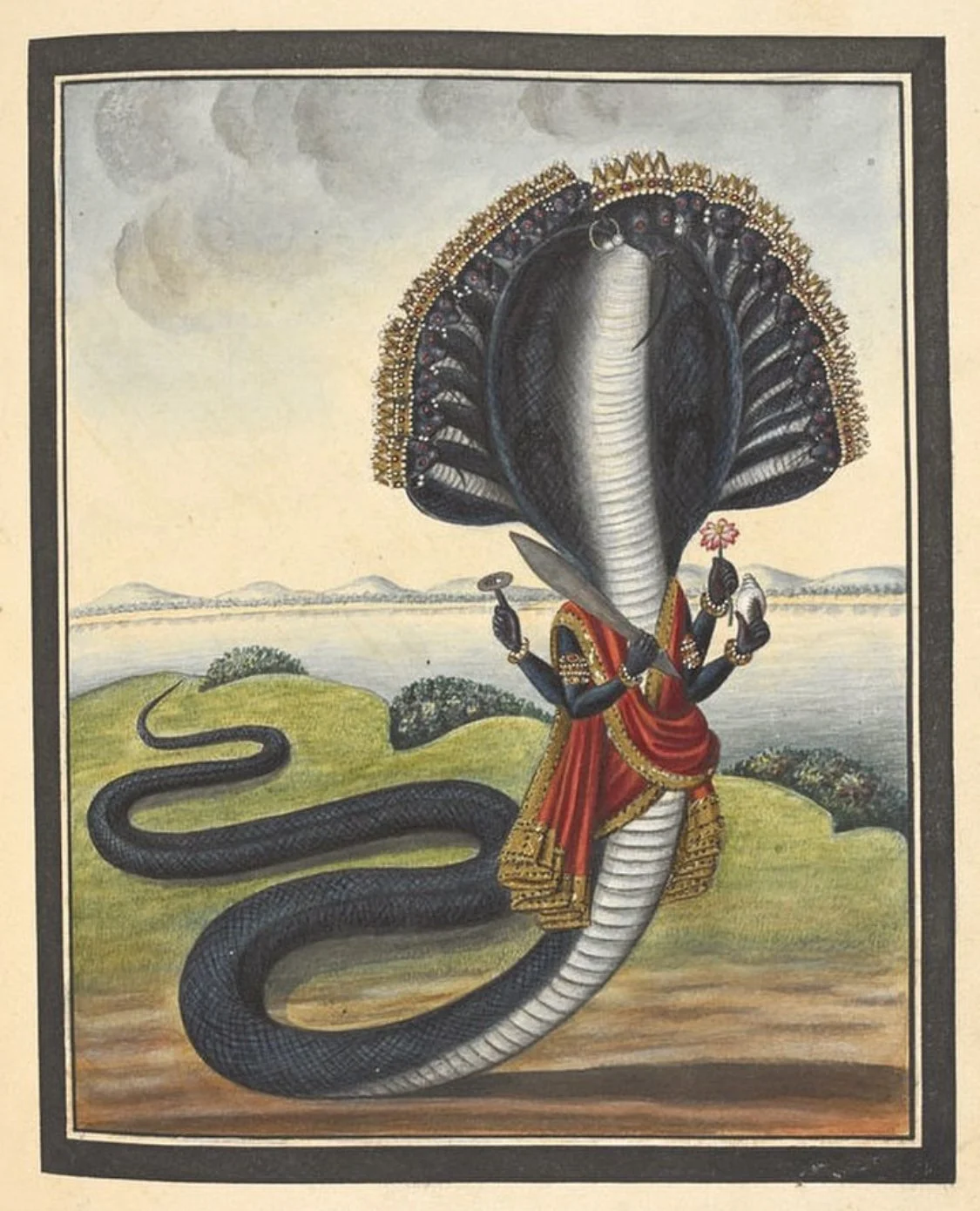
This powerful asterism resides at the heart of the last water sign, in a mokṣa bhāva (house of liberation), ruled by ākāśa tattva (ether element) and Ahirbudhnya (Serpent of the Deep).

Artowrk: Pinterest

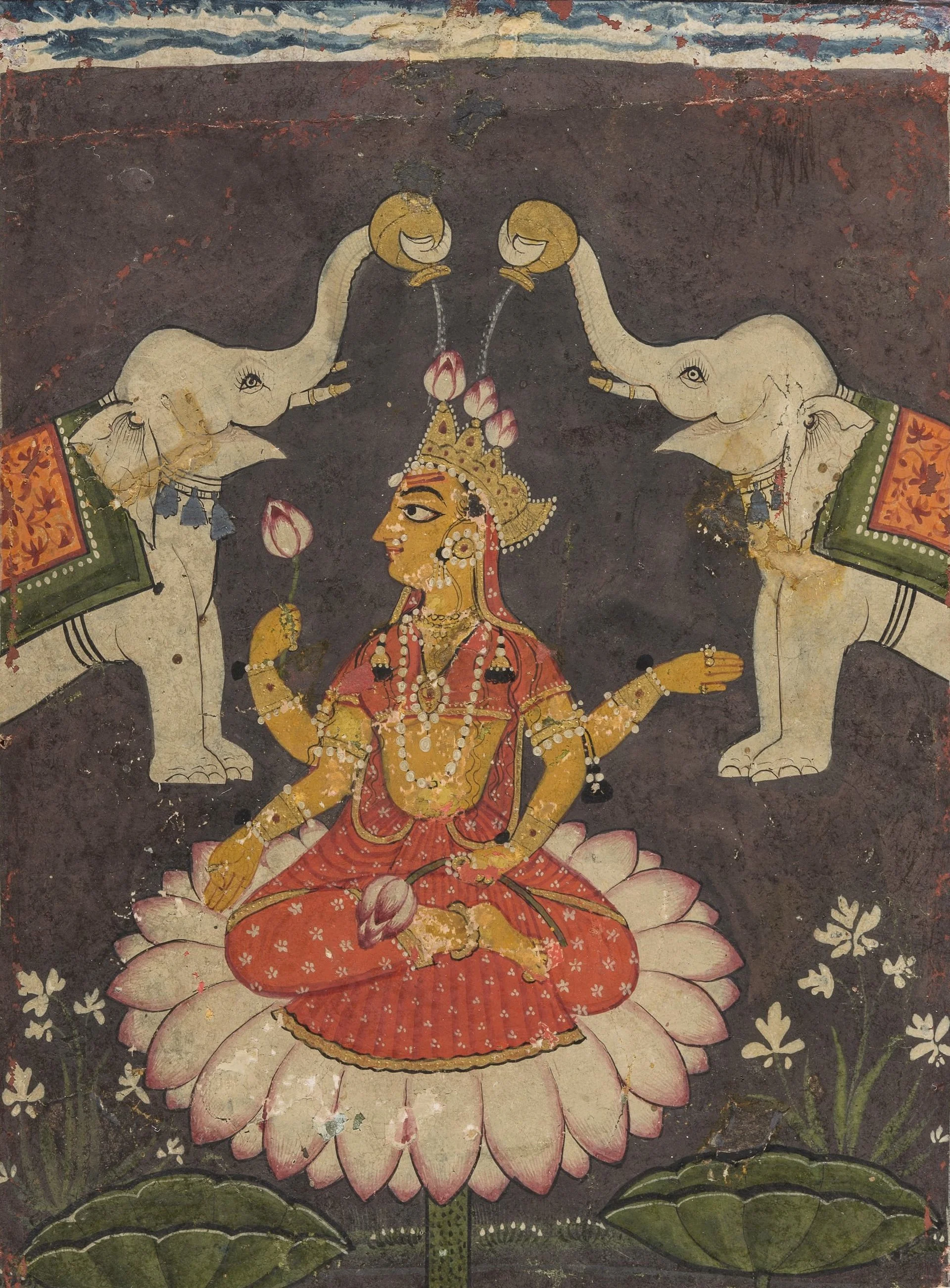
As the seat of Mahā Lakṣmī, this nakṣatra is deeply connected to the fertility of both earth and sky, excavating the unconscious, harmonizing the universal mind, and gaining wisdom through experience, humility, and self-sacrifice.
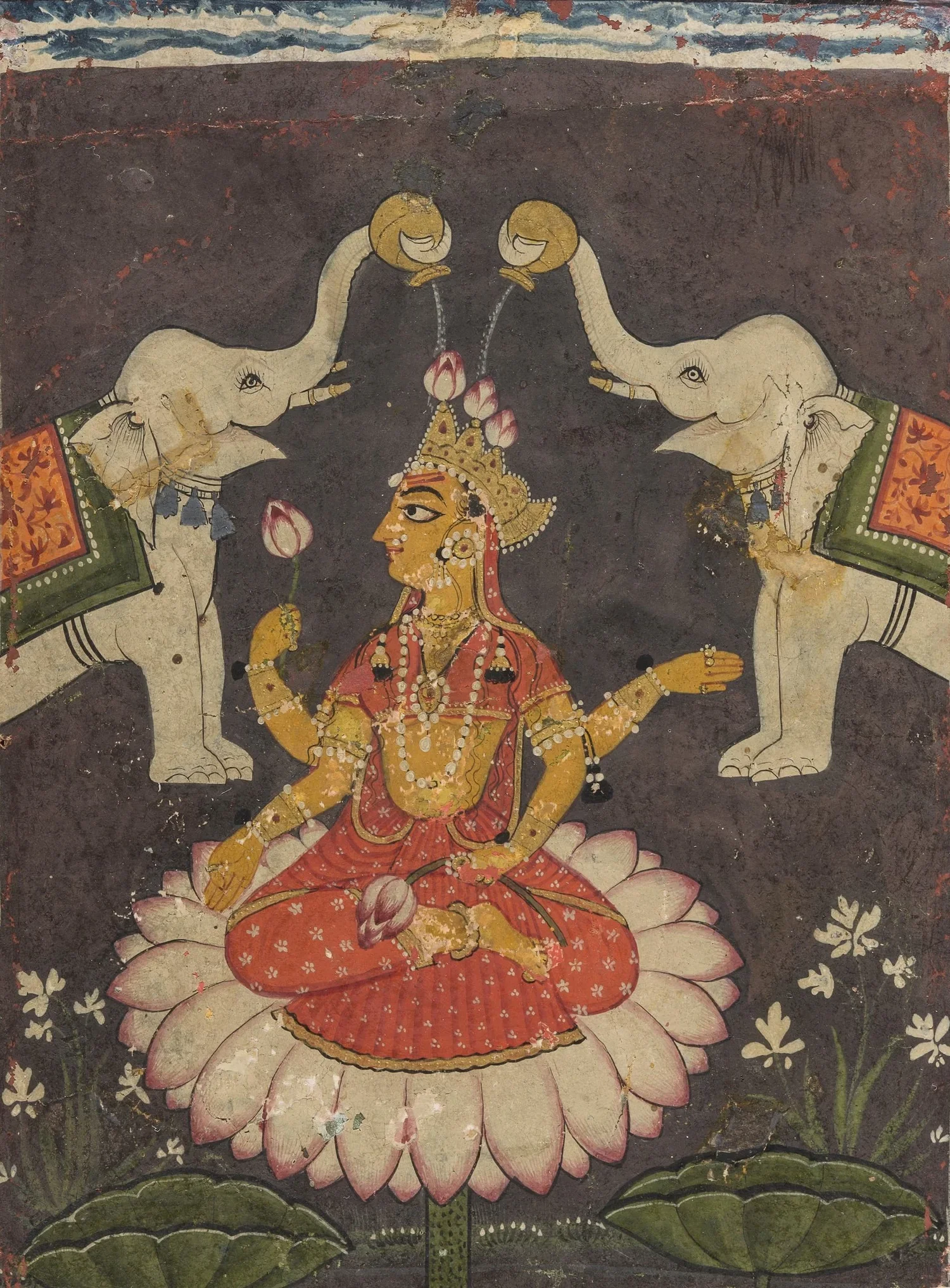
Its Varṣodtamana Śakti — the energy to bring rain and grow what has been planted — speaks to a deeper desire to establish a stable and enduring foundation with this lunation cycle.

We are now on the other side of Jupiter turning direct in Punarvasu (Gemini) and the distillation of eclipse season. There is a churning which stirs a desire for balance — a balance gained through stabilizing all that you’ve been learning over these past couple of months, which is now beginning to land. 

Jupiter’s retrograde invited a deeper reflection on our beliefs, wisdom, growth, and what truly sustains abundance, and with his direct motion the insights gathered through that inward journey begin to move forward again with greater clarity.

After the igniting threshold of tapasya, the New Moon in Uttara Bhādrapadā brings the quiet work of stabilization, where what was sparked in the previous star settles into deep waters, the fire of transformation now tempered and integrated into something enduring.

Artwork: Pinterest

Mercury will also station direct in Śatabhiṣā (Aquarius) on the 21st, bringing discernment to distill what has been unfolding and clarify the way forward.

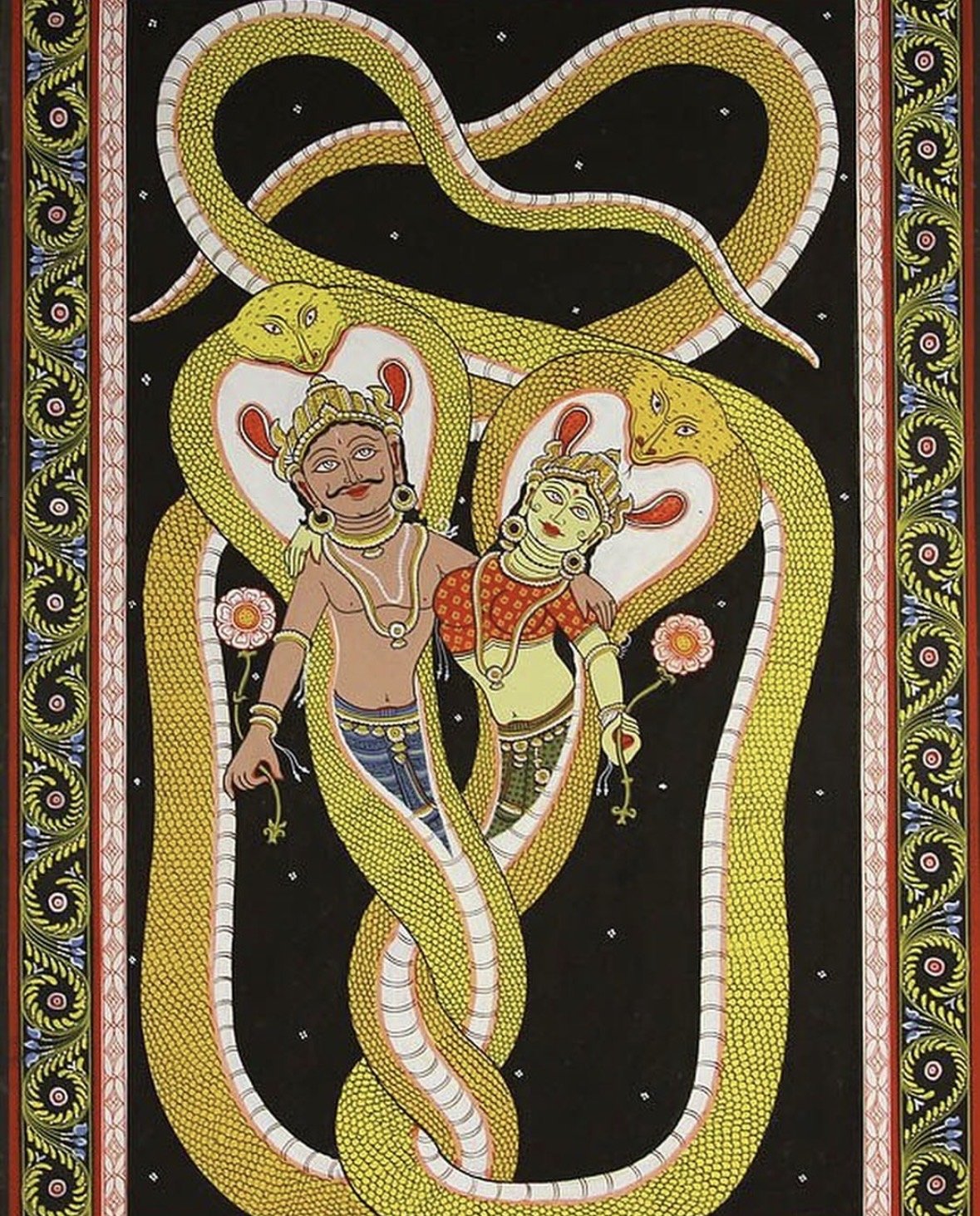
Counted among the eleven Rudras—forms of Śiva—Ahirbudhnya is linked to fertility, Kuṇḍalinī energy, and the subconscious forces of Nature. His energy is both creative and destructive, reflecting the profound alchemy of transformation and spiritual awakening that unfolds in the hidden depths.
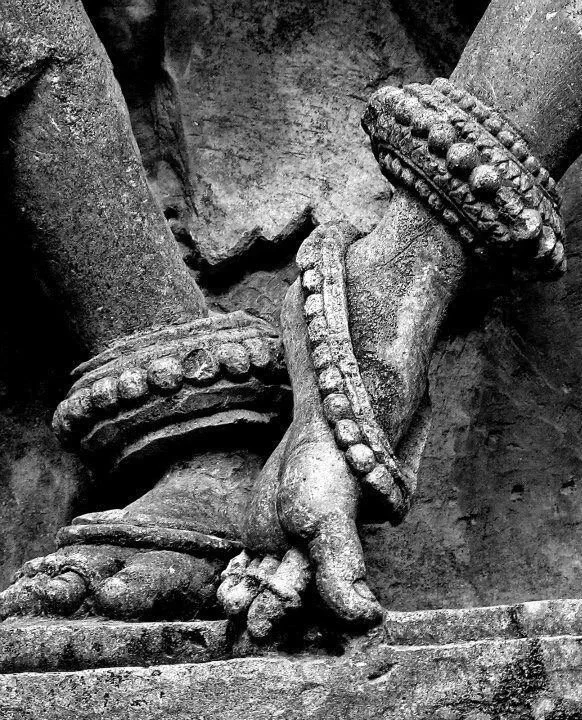
Artwork: Pinterest

Beneath this lunation, a quieter movement may also be sensed within the collective field of consciousness. Uttara Bhādrapadā, associated with twin foundations, gestures toward the reconciliation of polarity—the subtle healing of the ancient myth of separation between masculine and feminine principles.

Here the work is subtle yet immense. Uttara Bhādrapadā invites us to descend beneath the surface of the linear mind and listen to the deeper currents of consciousness. In these waters, insight matures slowly; the unconscious is stirred and illuminated, and what was once fragmented begins to harmonize within the greater field of universal (one) mind. 

The invitation of this New Moon is not urgency but surrender—to allow what has been awakened to stabilize, deepen, and quietly take root as we step into Navarātri, the nine nights of the Divine Feminine.


“You cannot cross the sea merely by standing and staring at the water.” — Rabindranath Tagore

All my Relations, Tulsi

If you feel called to explore your own chart through the lens of Jyotisa, you can book a private consultation here.

Mercury Retrograde in Uttara Bhādrapadā

Mercury Retrograde

March 15th - April 7th

Artwork: Unknown

Budha Graha (Mercury) stations retrograde on March 15th in the Vedic lunar mansion of Uttara Bhādrapadā उत्तरभद्रपदा (sidereal Pisces), the Warrior Star—punctuating a passage of deep reflection, reimagination, and renewal.

Budha (Mercury), fourth among the navagrahas (nine planets), the embodiment of rajo-guṇa (the mode of passion) and pṛthvī tattva (earth element), is revered as the radiant son of Chandra (the Moon), known for his golden eyes and tireless energy. He is also connected to Mahāvidyā Tripura Sundarī, who embodies supreme beauty, clarity, and the power of refined discernment.

Mercury bestows discernment and is the karaka (significator) of intellect, skill, talent, eloquent speech, the nervous system, storytelling, the student, negotiation, and neutrality. Just as Viṣṇu takes birth age after age to reestablish dharma and restore balance, mercury retrograde invites us to return to the center of our wheel

This powerful asterism resides at the heart of the last water sign, in a mokṣa bhāva (house of liberation), ruled by ākāśa tattva (ether element) and Ahirbudhnya (Serpent of the Deep). As the seat of Mahā Lakṣmī, this nakṣatra is deeply connected to the fertility of both earth and sky, dreamtime, the excavation of the unconscious, and the harmonization of universal mind. Here, we are beckoned to uncover hidden wisdom through humility, experience, and self-sacrifice—a śakti that is both transformative and karmic.

With Budha in Uttara Bhādrapadā conjunct Śukra (Venus) and Rāhu, rajo-guṇa is amplified, along with a heightened sense of protection. What is it that you are seeking to protect? A position you have claimed or wish to claim? A sense of personal justice? Or perhaps, your connection to source?

Mahāvidyā Śrī Lalitā Tripurā Sundarī | Kapoor Galleries Inc. wrote: Mandi, style of Sajnu, circa 1810

This transit embodies the dual current of existence, urging us to reconcile the spiritual and material realms. As Mercury retraces its path through the deep waters of Uttara Bhādrapadā, we encounter the mystical serpent—a force that strips away illusion, purges material toxins, and refines perception. This is a time when logic softens into intuition, and clarity arises not through analysis, but through surrender.

It is a period of intellectual purification, where communication is tested and refined—not for speed, but for depth. Unresolved matters from the past—especially those placed on the back burner—may resurface, seeking resolution through contemplation rather than reaction. Through introspection and surrender, the trials of this transit can lead not to confusion, but to spiritual illumination and ultimate liberation.

We are stepping powerfully into a new timeline—go inward to catch the memo of this time. Some karmas are requesting completion, release, and unraveling. How can you return to the center of your wheel and step into greater balance and neutrality?

Pay close attention if you have major planets—your Sūrya (Sun), Chandra (Moon), or Lagna (rising sign)—in Uttara Bhādrapadā, as this cycle may bring a lasting effect, especially with the New Moon Solar Eclipse occurring in this constellation on March 29th. Also, take note if you are currently running a daśā (major planetary period) or antara-daśā (sub-period) of Śani (Saturn).

For a more detailed look at what this means for you personally, I offer one-on-one consultations, which you can book directly at Jyotish Consultations

All My Relations

ॐ श्री मात्रे नमः | ॐ ब्रां ब्रीं ब्रौं सः बुधाय नमः

Rāhu in Uttara Bhādrapadā: The Warrior Star

Rahu's Transit into Uttara Bhādrapadā: Unveiling the Depths of the Subconscious

Artwork from Pinterest

The shadowy graha Rāhu, depicted as mounted on a lion, bluish-black and smoke in color, residing in the forest, eclipser of the luminaries, karaka (significator) of justice, courage, and mission, often associated with rebellion, the foreigner, and protector of Earth, enters the constellation of Uttara Bhādrapadā (sidereal Pisces), the Warrior Star, on July 8th.

Rahu's transit into Uttara Bhādrapadā, in the sidereal sign of Pisces, marks a profound journey through the realm of the unconscious. This lunar mansion, symbolized by the back of a funeral cot and a serpent of the deep, evokes a deep connection to the cycles of life and death, the fertility of both earth and sky. It is here, in the domain of Uttara Bhādrapadā, that Rahu weaves his enigmatic influence, guiding us to delve into the depths of our subconscious, to unearth hidden truths and embrace the wisdom that lies therein.

As Rahu traverses this celestial pathway, we are invited to harmonize with universal mind, to align our personal will with the greater cosmic order. This transit calls for introspection and a willingness to confront our shadows, to navigate the murky waters of our psyche with humility and self-sacrifice. It is through this process of excavation that we gain profound insights, transforming our inner landscape and fostering a deeper connection to the divine.

Uttara Bhādrapadā, ruled by the wise Saturn and situated in the realm of Jupiter, presents a dual energy, represented by the twin fishes swimming in the ocean of consciousness. This nakshatra embodies the duality of existence, the constant interplay between the spiritual and the material realms. It is the hero’s journey, marked by struggle, protection, and service, where the kshatriya spirit fights to find meaning and purpose amidst life’s challenges.

Within this nakshatra lies the wisdom of the serpent, a mystical force dwelling beneath the waters, carrying the ancient knowledge of Pisces. As Rahu enters this domain, the seeker encounters the serpent, embodying both wisdom and danger. The serpent’s bite, a metaphor for life’s trials, releases the poison of the material world, purging the toxins that hinder spiritual growth. This transformative pain is the catalyst for enlightenment, leading to moksha, the ultimate liberation.

Rahu, the asura who moves backward (heyoka energy), embodies the restless quest for knowledge and experience. In Uttara Bhādrapadā, Rahu’s influence is both malevolent and enlightening, revealing the illusions of the material world while urging us to create something meaningful from limited resources. This transit challenges us to confront our limitations, to embrace Saturn’s teachings of patience, resilience, and the practical wisdom of making the most of what we have.

As Rahu matures at 42, the struggle to balance the material and spiritual realms culminates in a profound realization. The trials faced, the poison endured, all contribute to the seeker’s journey towards enlightenment. It is through these experiences that we learn to transcend our earthly limitations, discovering the boundless potential within.

For those running a Dasha or sub-period of Rahu, or having natal planets in Uttara Bhādrapadā, the impact of this transit will be especially profound. The energies of Rahu will be strongly felt, intensifying the journey through the subconscious and magnifying the experiences of transformation and revelation. This period can bring about significant changes, urging a deeper exploration of one's inner world and a reevaluation of life's direction.

During this transit, let us remain steadfast in our spiritual pursuits, honoring the lessons of the past and preparing for the rebirth that follows the dissolution of the old. As we navigate Rahu’s passage through this mystical nakshatra, we attune to the subtle currents of our inner world, embracing the transformative power of introspection. In doing so, we open ourselves to the boundless wisdom of the cosmos, harmonizing our soul’s journey with the eternal dance of creation and dissolution.

For more personalized guidance on this long, impactful transit, know that I am here to support you and do offer one-on-one Vedic Astrology readings, which you can book here.