VENUS RETROGRADE
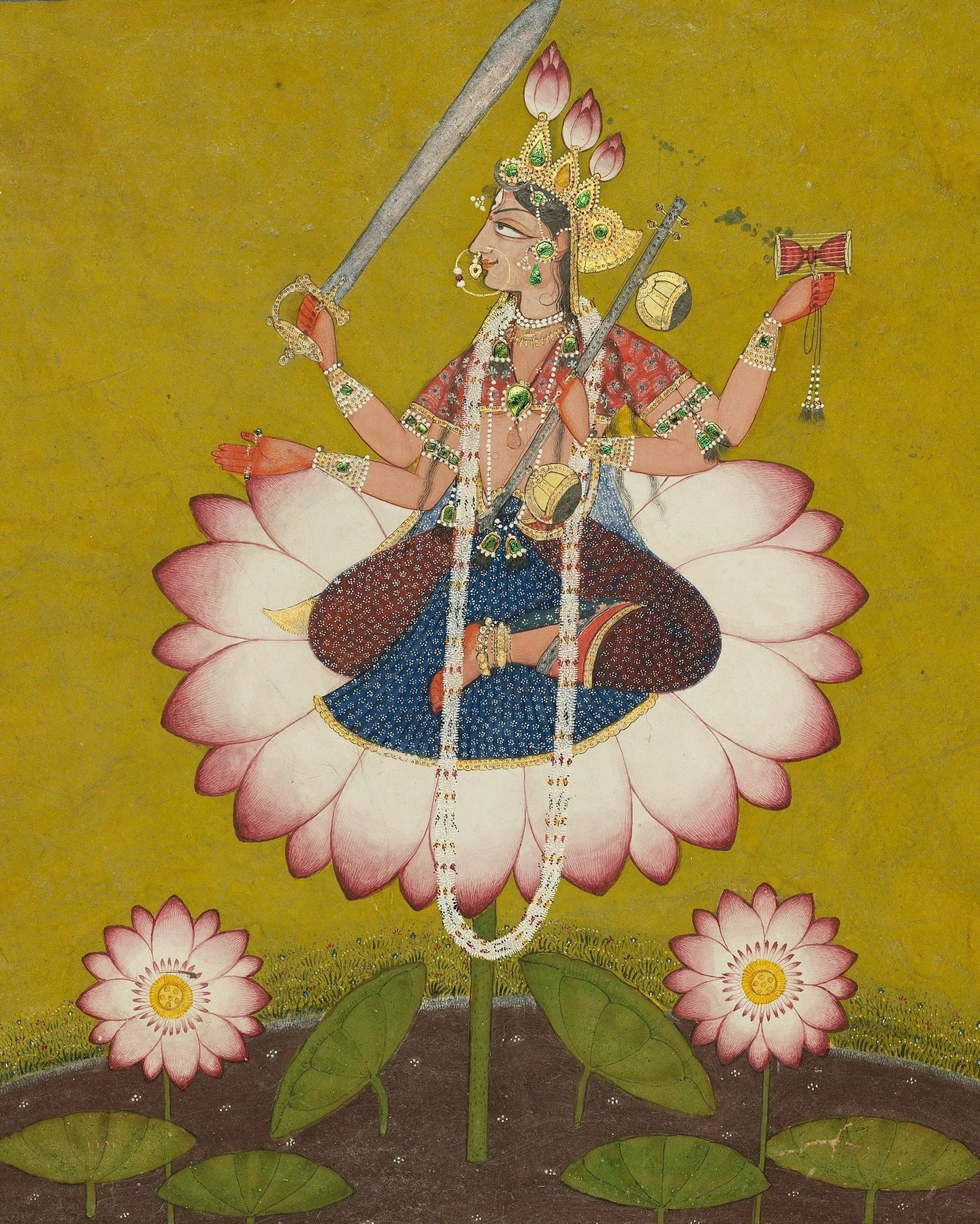
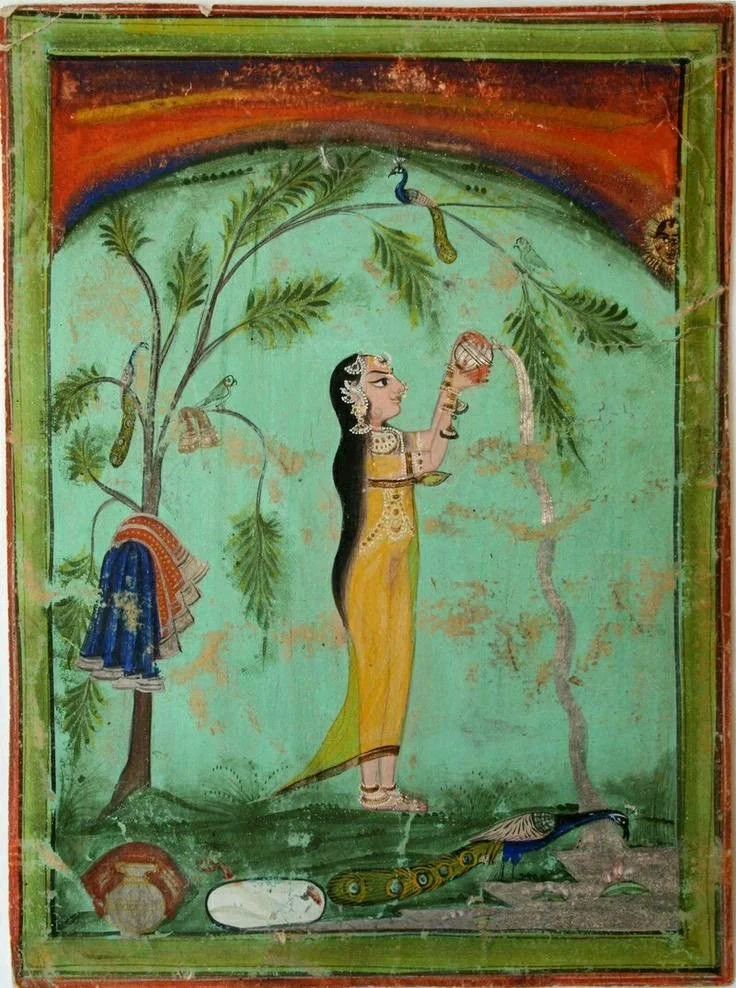
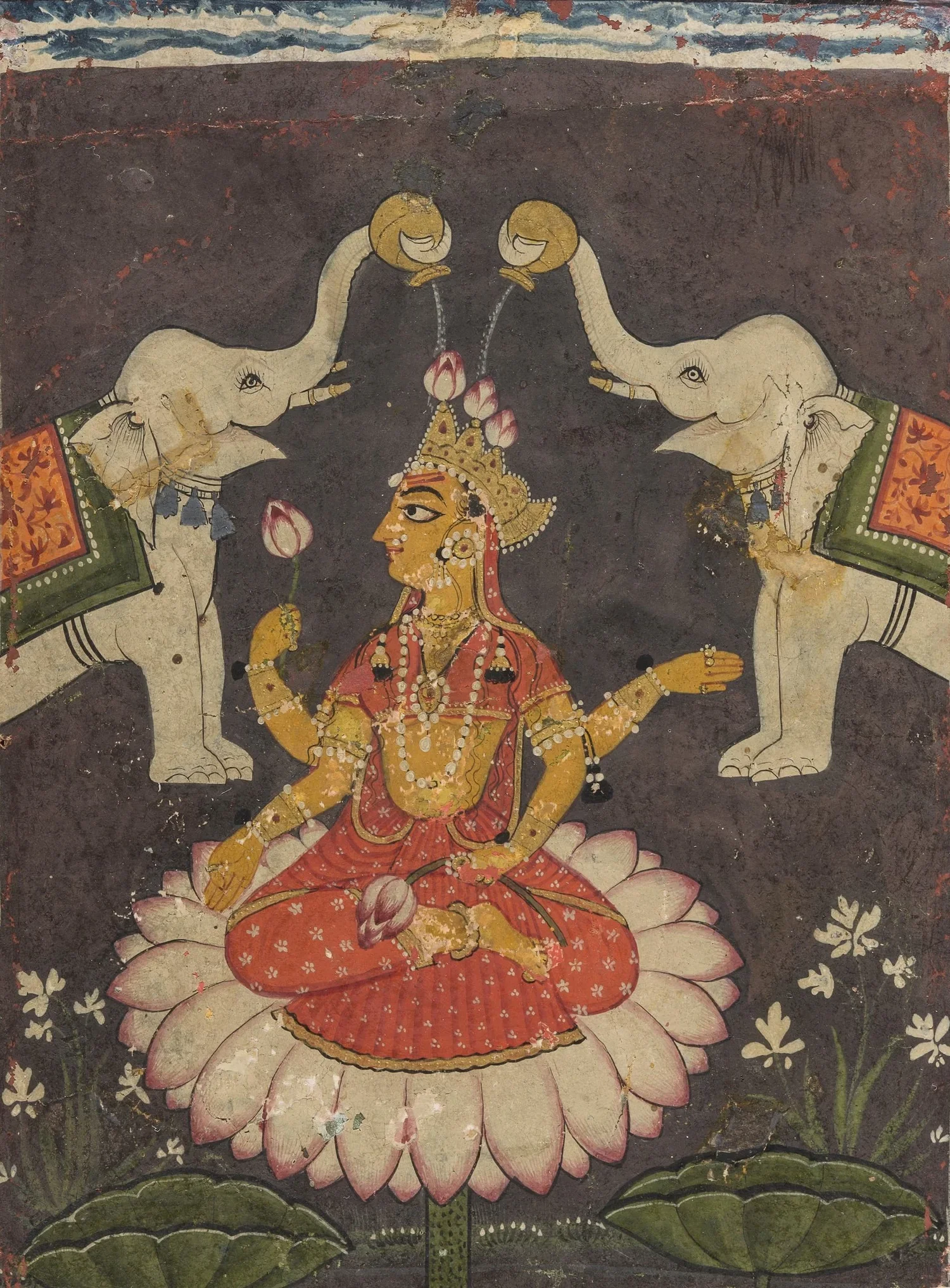
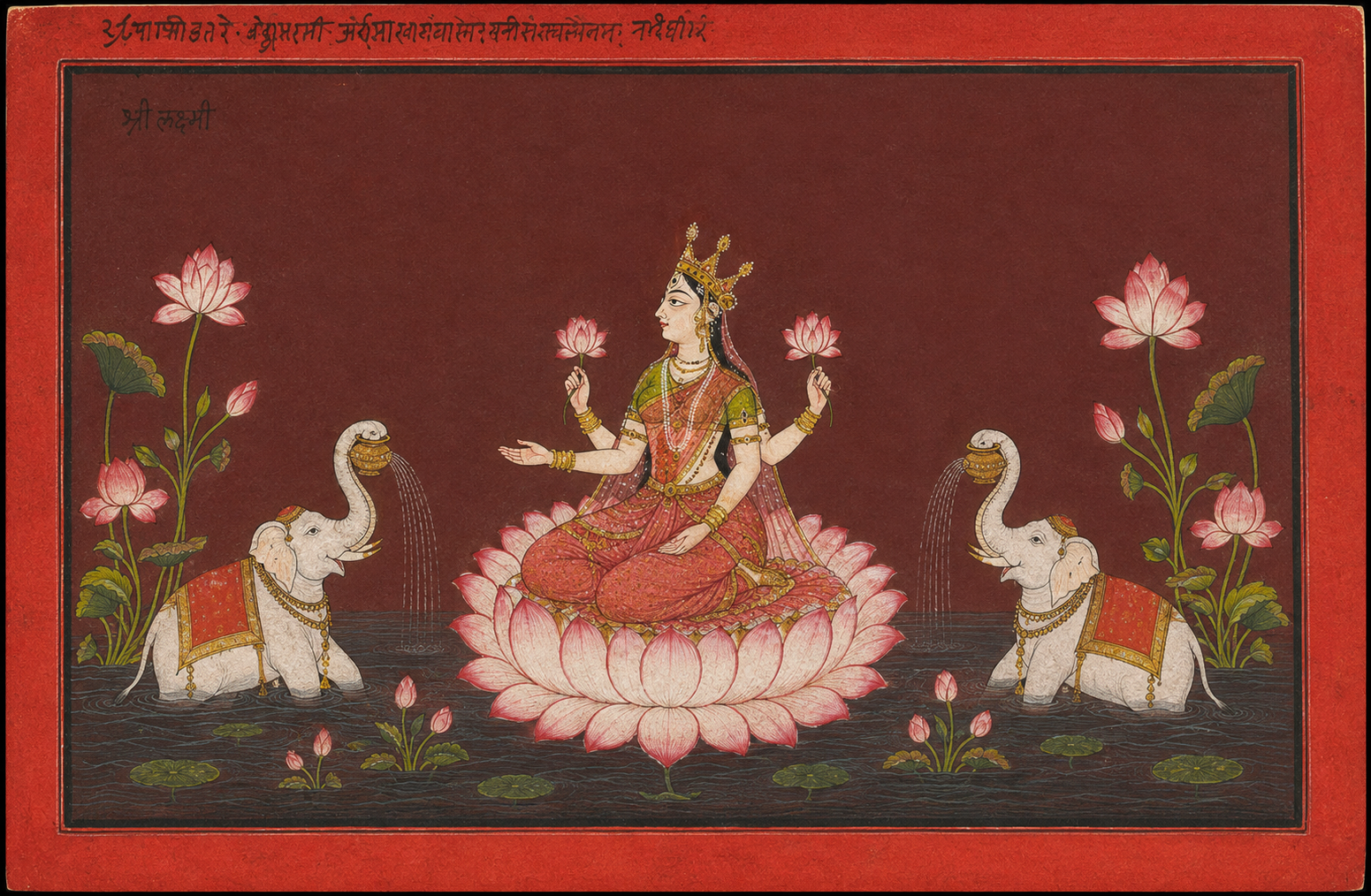
Devi on a Lotus Throne,” c. 1660 (with later additions), Northern India, Pahari region (Basohli and Kangra)
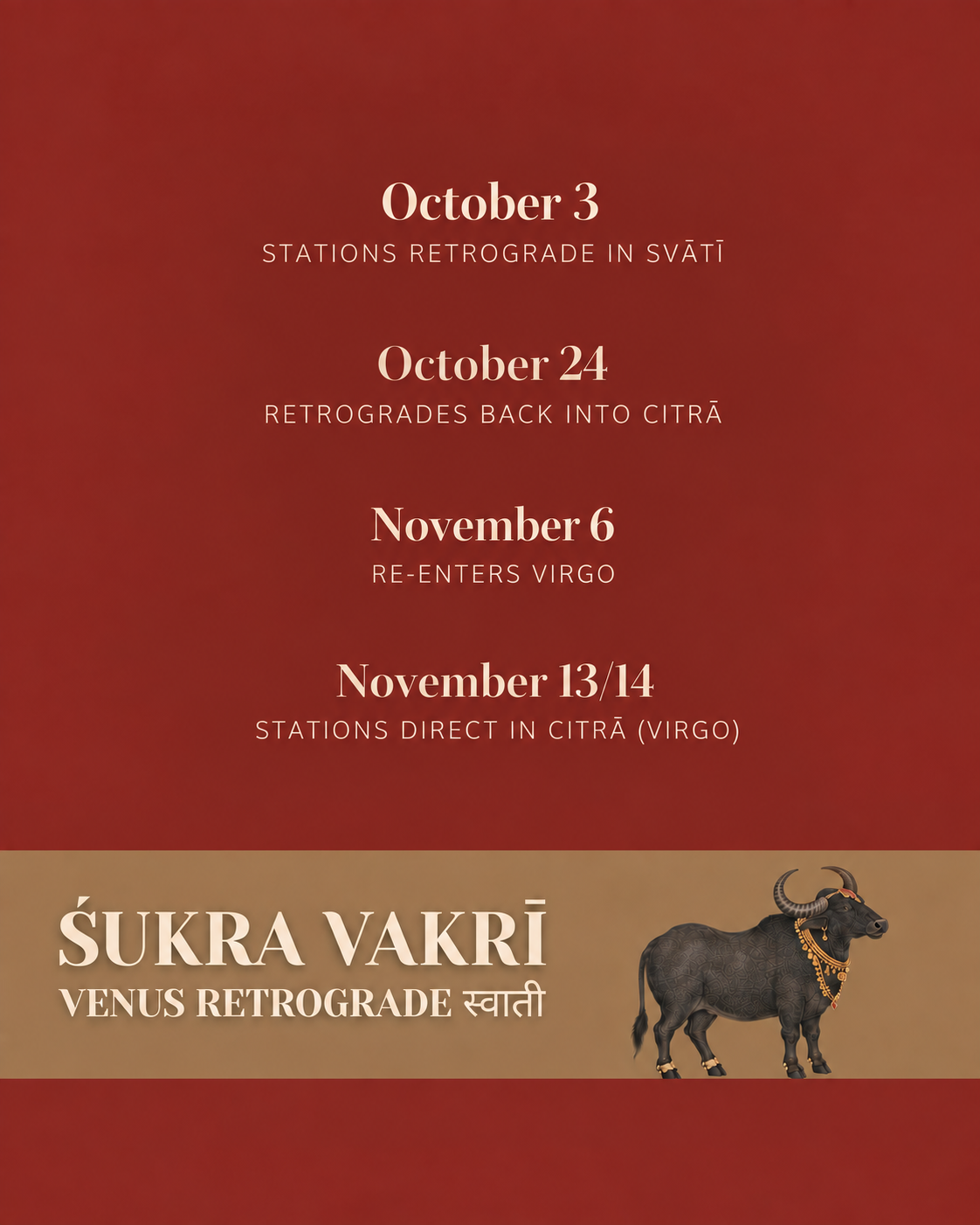
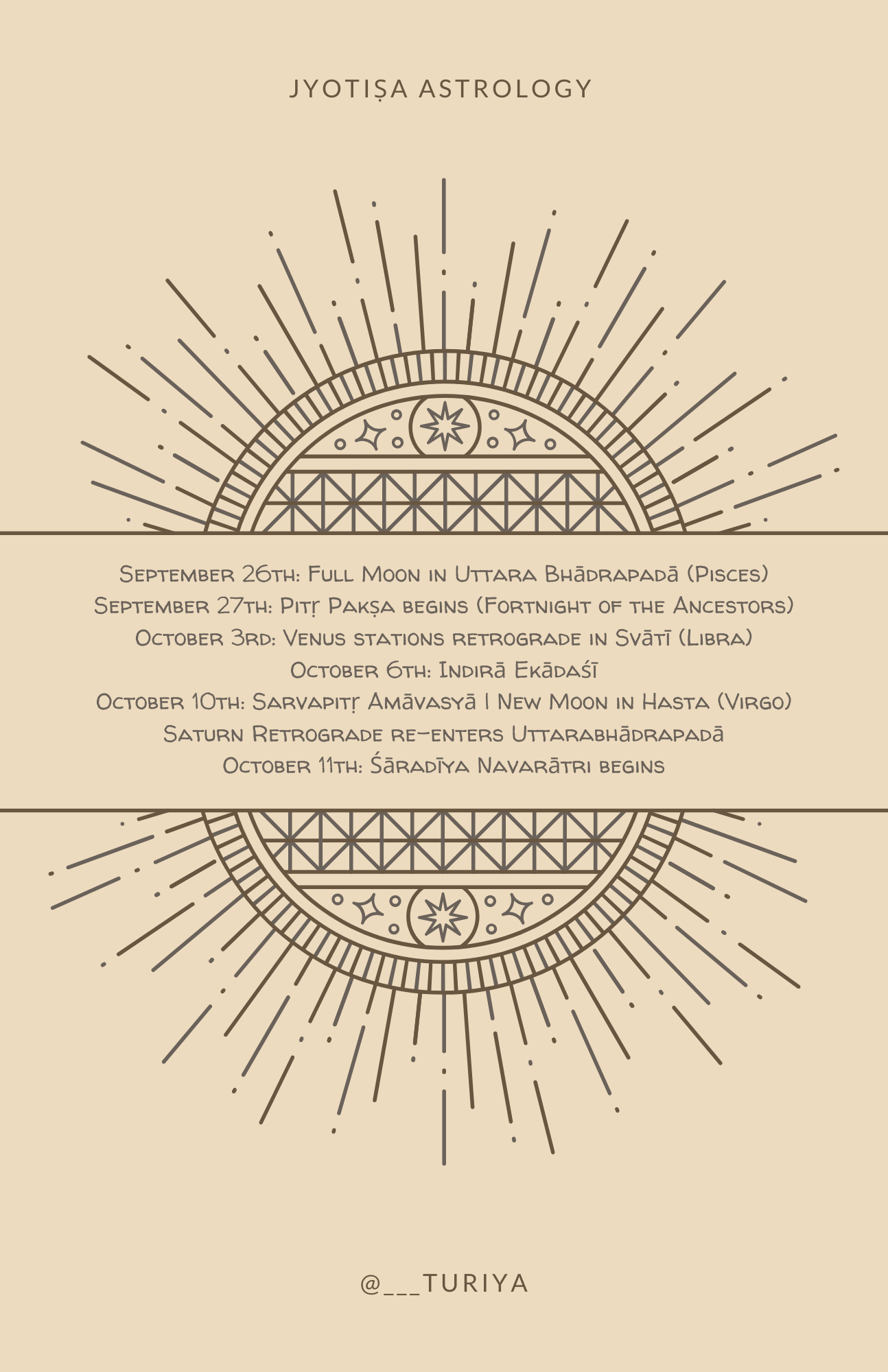
10.03 to 11.13/14
Stations Retrograde in Svātī
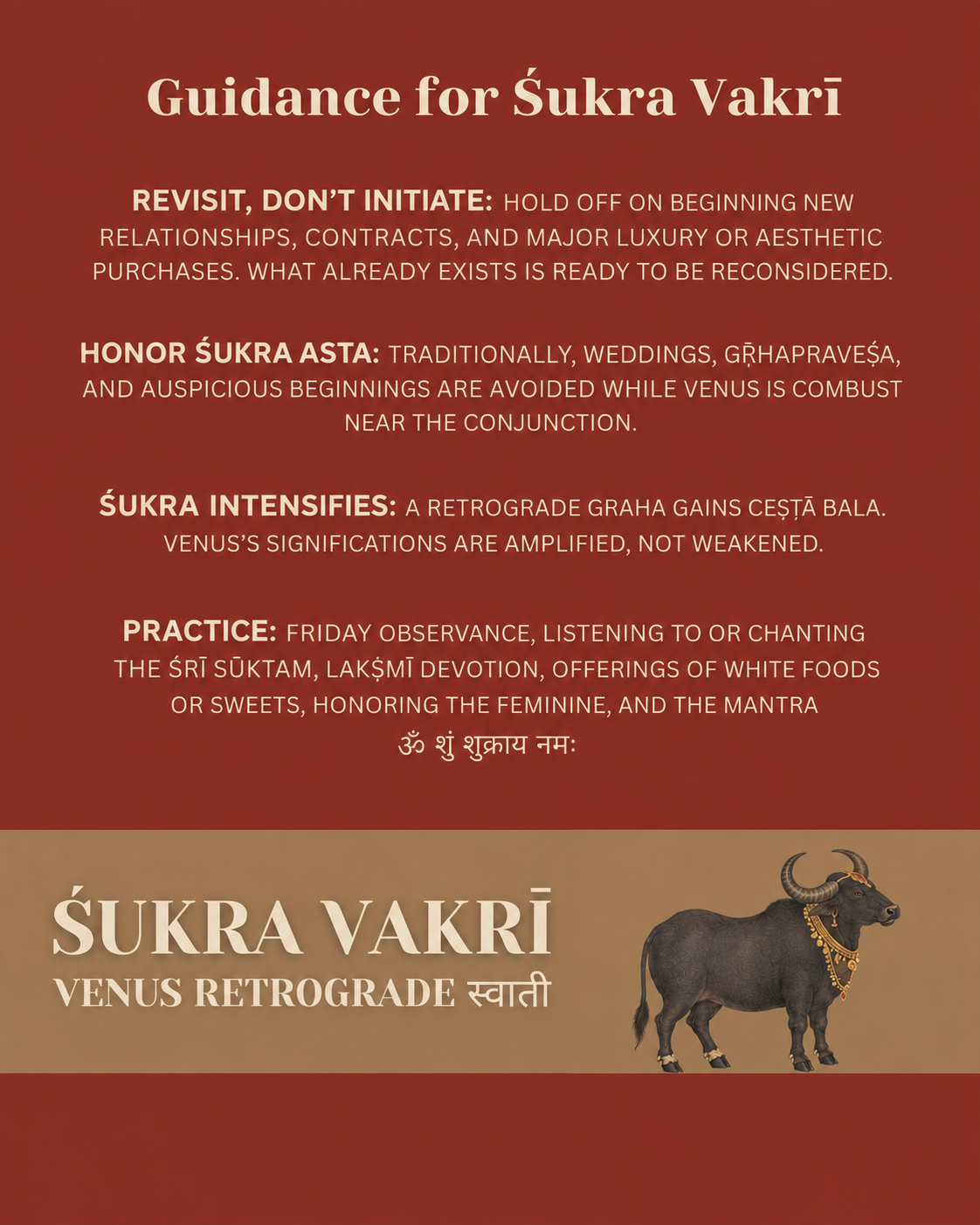
On October 3, Venus stations retrograde in the Vedic Lunar Mansion of Svātī, the Star of Self-Actualization and the seat of Vāyu. This begins a 42-day period of reconsideration around relationship, desire, value, creativity, pleasure, and exchange.
Śukra is the revered graha of devotion, justice, relationships, divine love, restoration, virility, and the enjoyment of embodied life. One of the Jñāna Kārakas, Venus is also a kāraka of union, yoga. As Śukrācārya, teacher of the Asuras, he holds Sañjīvinī Vidyā, the knowledge through which what has died may be restored to life.
The retrograde cycle of Venus carries this principle of death, regeneration, and rebirth. As Venus disappears from the evening sky and eventually reemerges as the morning star, matters governed by Śukra are drawn inward for examination. Relationships, desires, creative impulses, resources, agreements, and our understanding of what is truly valuable may return to be reconsidered.
Venus moves in an eight-year rhythm, returning to nearly the same place in the sky. Śukra last retrograded through Svātī and Citrā in October and November of 2018. Reflect on what was moving in your relationships, creative life, and sense of worth at that time, and notice what has truly evolved since.
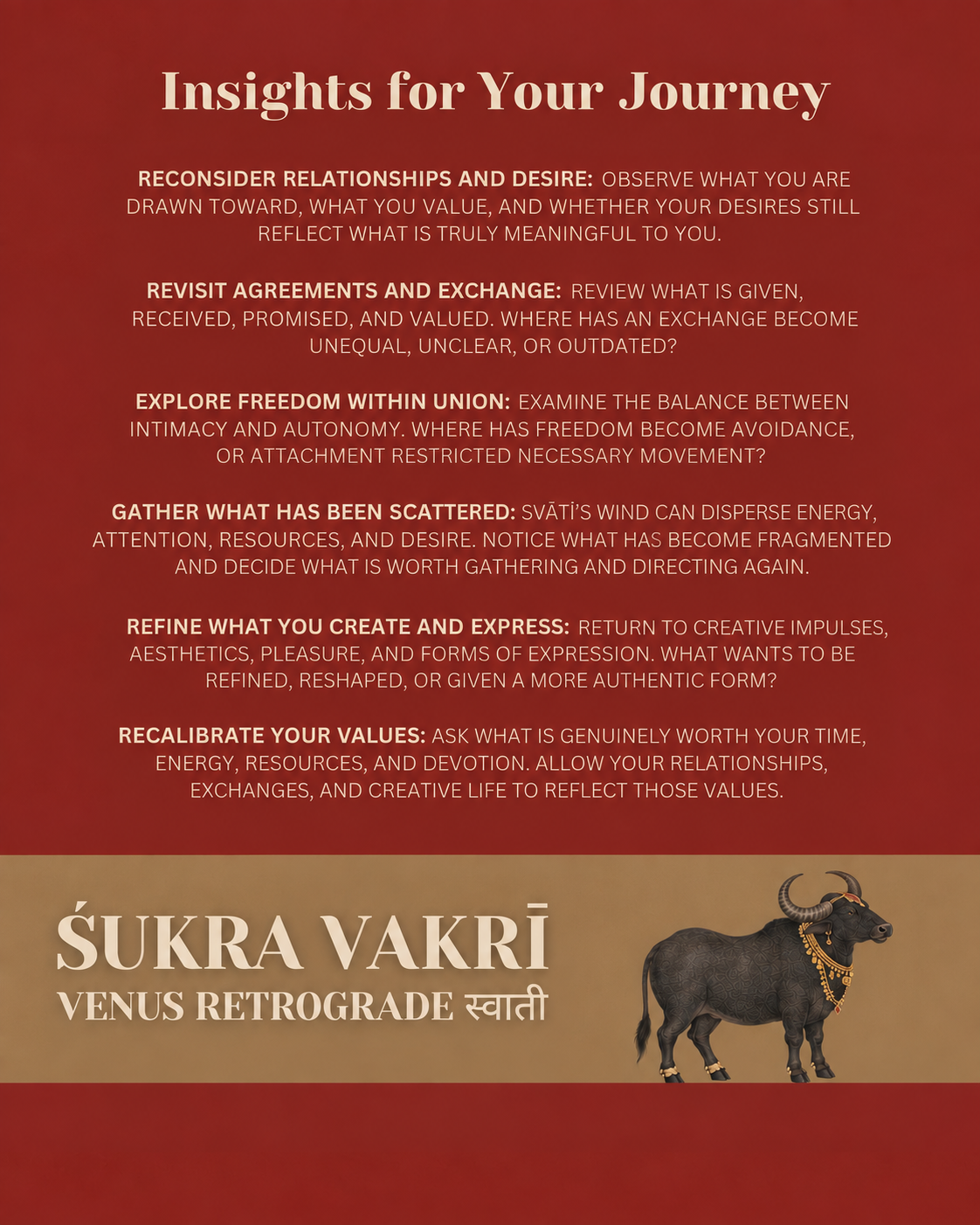
This cycle begins in Svātī, governed by Vāyu, devata of the wind and the vital movement of prāṇa. Independent and self-moving, Svātī carries the capacity to adapt, disperse, and find its own course. Its association with commerce and exchange also draws attention to what passes between us: what we give, what we receive, and the value assigned to each.
Its śakti, pradhvaṁsa śakti, holds the energy to scatter — to disperse like the wind, dissolving form, diffusing energy, and transforming through movement. And yet, within this same current lies the deeper invitation — to gather, to recollect, and to direct that which has been scattered.
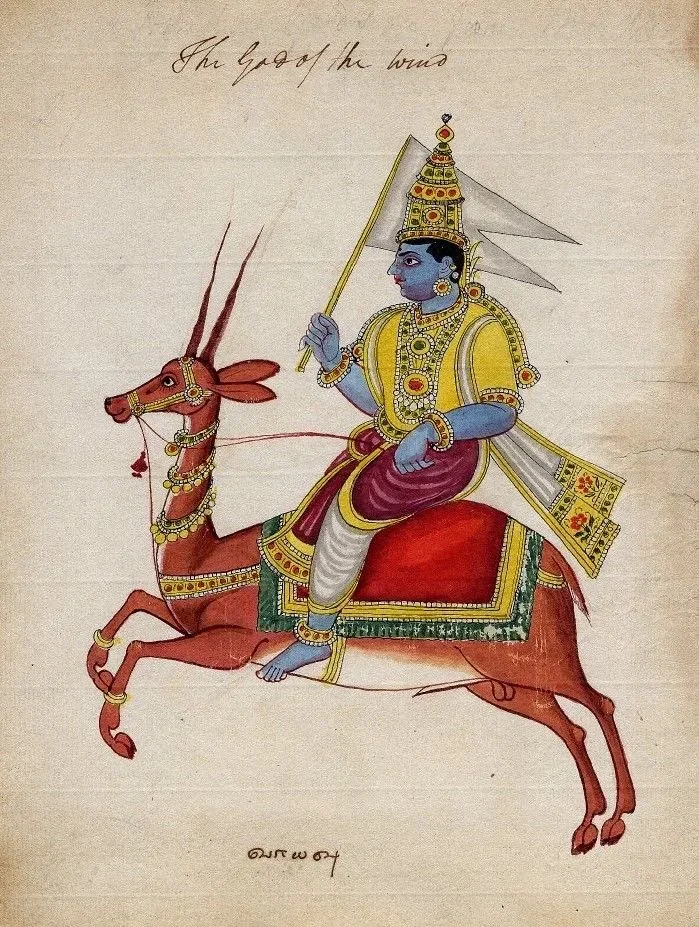
Its symbol, the tender shoot swaying in the wind, speaks to all that is newly reborn — full of life, yet easily disturbed. Svātī is also the seat of Śani's exaltation. The great regulator offers the counterweight to dispersion through patience, restraint, and the discipline to gather prāṇa and give it direction.
Here, Venus, the kāraka of union, meets a nakṣatra that requires freedom. Yet Svātī sits at the heart of Tulā, his mūlatrikoṇa and the natural 7th, the kāma house of partnership. As the marketplace, Tulā is the rāśi most in need of balance, weighing what is given against what is received. Union and independence share this ground, and the retrograde asks whether they can be held together.
The retrograde may illuminate the relationship between intimacy and autonomy. Where has freedom become avoidance? Where has attachment restricted necessary movement? What have we exchanged in order to preserve relationship, pleasure, security, or desire? Can union exist without the loss of sovereignty?
This is a time of recalibration. Evaluate past behavior and revisit agreements, the handshake of Tulā: what was promised, what was exchanged, and whether it still holds true.
Śukra is the enjoyer, gaining knowledge through experience, the senses, and complete absorption in the object of desire. At his highest expression, this capacity for absorption becomes the means through which separation dissolves. Śukra becomes a maker of Samādhi.
Retrograde motion turns that faculty of discernment back upon desire itself. Old relationships, attractions, creative impulses, agreements, or patterns of relating may reappear, not necessarily to be restored, but to reveal what has and has not transformed.
On October 24, Venus retrogrades back into Citrā, where the process moves from Svātī's questions of freedom and exchange toward reconsidering what we are fashioning into form, refining, and breathing life into. Venus stations direct in Citrā on November 13/14 before eventually returning to Svātī.
The Descent and Return
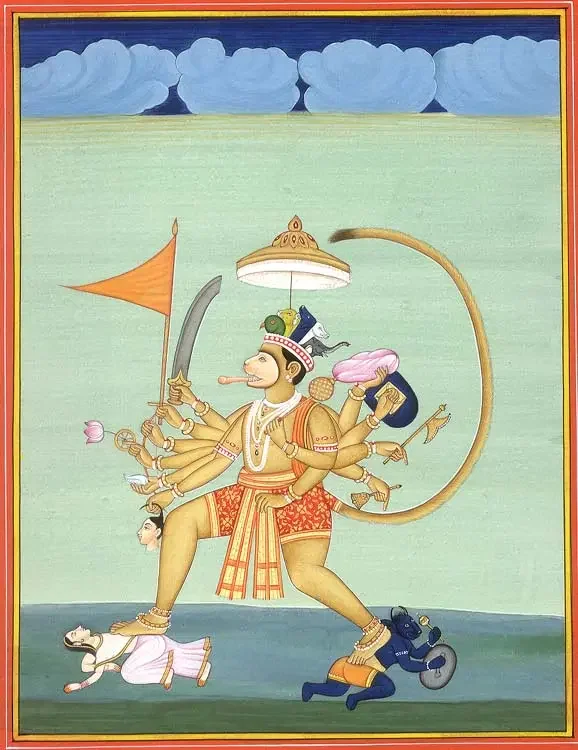
Venus is last visible as the evening star on October 12. On October 24, Śukra reaches inferior conjunction, passing between the Earth and the Sun. This is the threshold of the cycle, the symbolic death, where what has been held in the light is surrendered to darkness.
Here Śukra meets Sūrya in Tulā, where the Sun is nīca. Untempered, the radiance of the Self can consume, overextend, and disperse vitality. The Mahāvidyā of this placement is Mātaṅgī, who embodies knowledge and creativity, the divine powers of speech, music, and creative expression. She invites us to refine our words, listen beneath habitual noise, and recognize the Divine intelligence moving through every form of expression. As Ucchiṣṭa Mātaṅgī, she receives offerings others consider impure, a reminder that sacredness is not confined to what is ritually clean.
On October 29, Venus rises again before dawn as the morning star. What returns from darkness returns clarified.
Pay close attention if you have planets, the Moon, or your Lagna in Tulā, particularly in Svātī or Citrā, or if you are running a period of Śukra, Rāhu, or Maṅgala.
Svātī reminds us that movement does not always signify departure. Sometimes space allows something to breathe, change form, and reveal whether it can remain connected without being bound.
Not everything that returns is meant to remain. Not everything that changes direction has lost its way.
All My Relations | ॐ शुं शुक्राय नमः
Visibility dates for New Delhi, India.
Last visible as an evening star: October 12, 2026
Inferior conjunction: October 24, 2026
First visible as a morning star: October 29, 2026