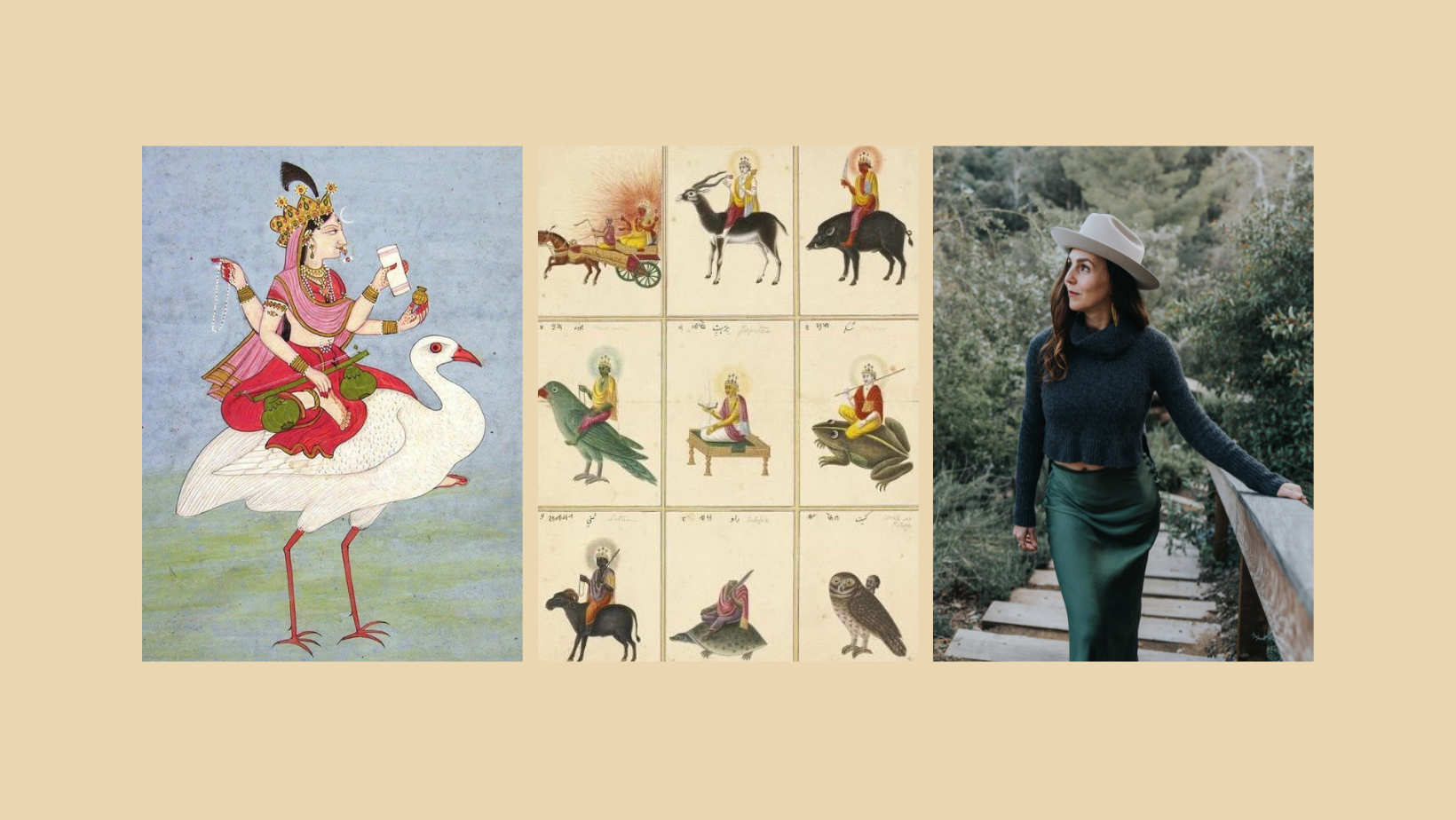
Adhika PuruSottama Māsa

Artwork: Pinterest
05.17–06.15
Approximately every thirty-three months, an additional lunar month arises within the Vedic calendar, Adhika-māsa, also known as Purusottama Māsa and Malamāsa in ancient times.
A sacred interval outside ordinary time.
While the lunar year moves according to the phases of the Moon, the solar year follows the path of the Sun. Over time, a subtle divergence emerges between these two celestial rhythms. Adhika-māsa appears to restore balance—to reconcile the sacred relationship between lunar and solar time.
Yet beyond calendrical adjustment, this month has long been regarded as deeply auspicious for spiritual refinement, restoration, and inward recalibration.
It is a pause within the current of becoming.
Known as the thirteenth month — the one that stands outside the ordinary cycle, belonging neither fully to one year nor the next. A month that exists between —and it is precisely this that makes it sacred.
Yet this month carries something deeper than astronomical necessity. The Purāṇas tell us that Adhika Māsa once had no presiding deity — no lord, no festivals, no name of its own. It was considered inauspicious, even orphaned among the months.
In grief, the month itself approached Viṣṇu, lamenting its incompleteness. Moved by compassion, Viṣṇu claimed it as his own — bestowing upon it his most exalted name: Puruṣottama, the Highest Self. He declared it not merely auspicious but the most potent of all months for spiritual practice, more sacred than any other in the calendar. The month that was cast out became the most beloved.
A month traditionally devoted to simplification, prayer, pilgrimage, mantra, sacred study, nourishing the body, and returning awareness toward what is essential.
The tradition offers specific practices for this sacred interval — not as obligation, but as invitation. Devotionally, this is a month to recite the Viṣṇu Sahasranāma, to offer lamps, flowers, and tulasī to Viṣṇu daily, to tend the tulasī plant with reverence, and to read or listen to the Bhāgavata Purāṇa. The month carries two Ekādaśīs — both potent for fasting, inward turning, and deepening one’s relationship with the divine.

Artwork: Pinterest
For practice, Puruṣottama Māsa is considered especially auspicious for beginning or deepening a sādhana — whatever discipline you have been waiting to establish, this month holds unusual potency for it. Japa is particularly supported, especially Viṣṇu mantras such as Om Namo Bhagavate Vāsudevāya.
Prāṇāyāma, Yoga Śāstra study, and any sincere inward discipline find fertile ground here.
In the realm of lifestyle, the tradition invites simplification — of diet, reducing tamasic foods and unnecessary consumption, quieting excess speech, withdrawing from the constant current of screens and stimulation. Charitable giving is considered especially meritorious this month, the merit of any offering said to be multiplied. To give, to fast, to study, to pray — these are not austerities here but acts of alignment.
This year, Adhika-māsa begins under the New Moon in Kṛttikā Nakṣatra (Taurus)—the birth star of the Moon and lunar mansion governed by Agni, the sacred fire.
Kṛttikā carries the power to purify, refine, and illuminate through discernment—burning away excess to reveal what is essential.
A potent threshold for recalibration, nourishment, and refining what we are taking in physically, mentally, emotionally, and spiritually.
And so this Adhika Māsa holds a particular potency — Agni’s discerning fire meeting Viṣṇu’s boundless compassion. What the fire refines, devotion receives. What is burned away reveals not absence, but belonging. Like the month itself, what has felt cast aside or incomplete may find, in this sacred interval, its truest name.
A beautiful time to replenish prāṇa, refine one’s sādhana, and listen more deeply.
ॐ नमो भगवते वासुदेवाय ॥