Adhika Purusottama Māsa: A Sacred Month of Inner Recalibration

Adhika PuruSottama Māsa
Artwork: Pinterest

05.17–06.15

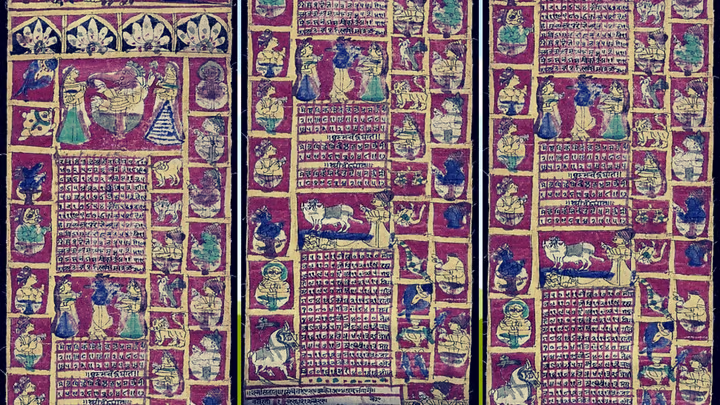
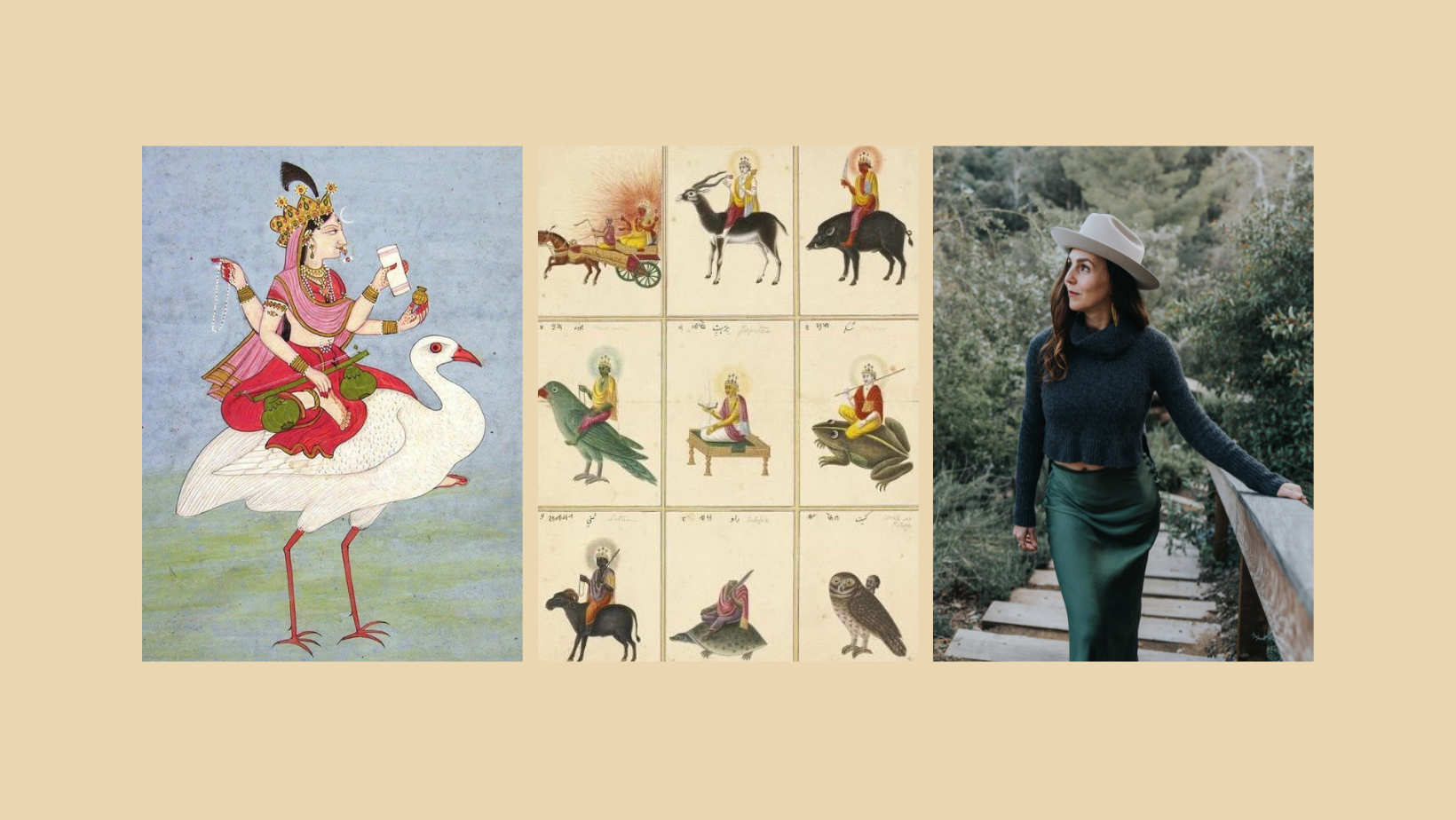
Approximately every thirty-three months, an additional lunar month arises within the Vedic calendar, Adhika-māsa, also known as Purusottama Māsa and Malamāsa in ancient times.

A sacred interval outside ordinary time.

While the lunar year moves according to the phases of the Moon, the solar year follows the path of the Sun. Over time, a subtle divergence emerges between these two celestial rhythms. Adhika-māsa appears to restore balance—to reconcile the sacred relationship between lunar and solar time.

Yet beyond calendrical adjustment, this month has long been regarded as deeply auspicious for spiritual refinement, restoration, and inward recalibration.

It is a pause within the current of becoming.

Known as the thirteenth month — the one that stands outside the ordinary cycle, belonging neither fully to one year nor the next. A month that exists between —and it is precisely this that makes it sacred.

Yet this month carries something deeper than astronomical necessity. The Purāṇas tell us that Adhika Māsa once had no presiding deity — no lord, no festivals, no name of its own. It was considered inauspicious, even orphaned among the months. 

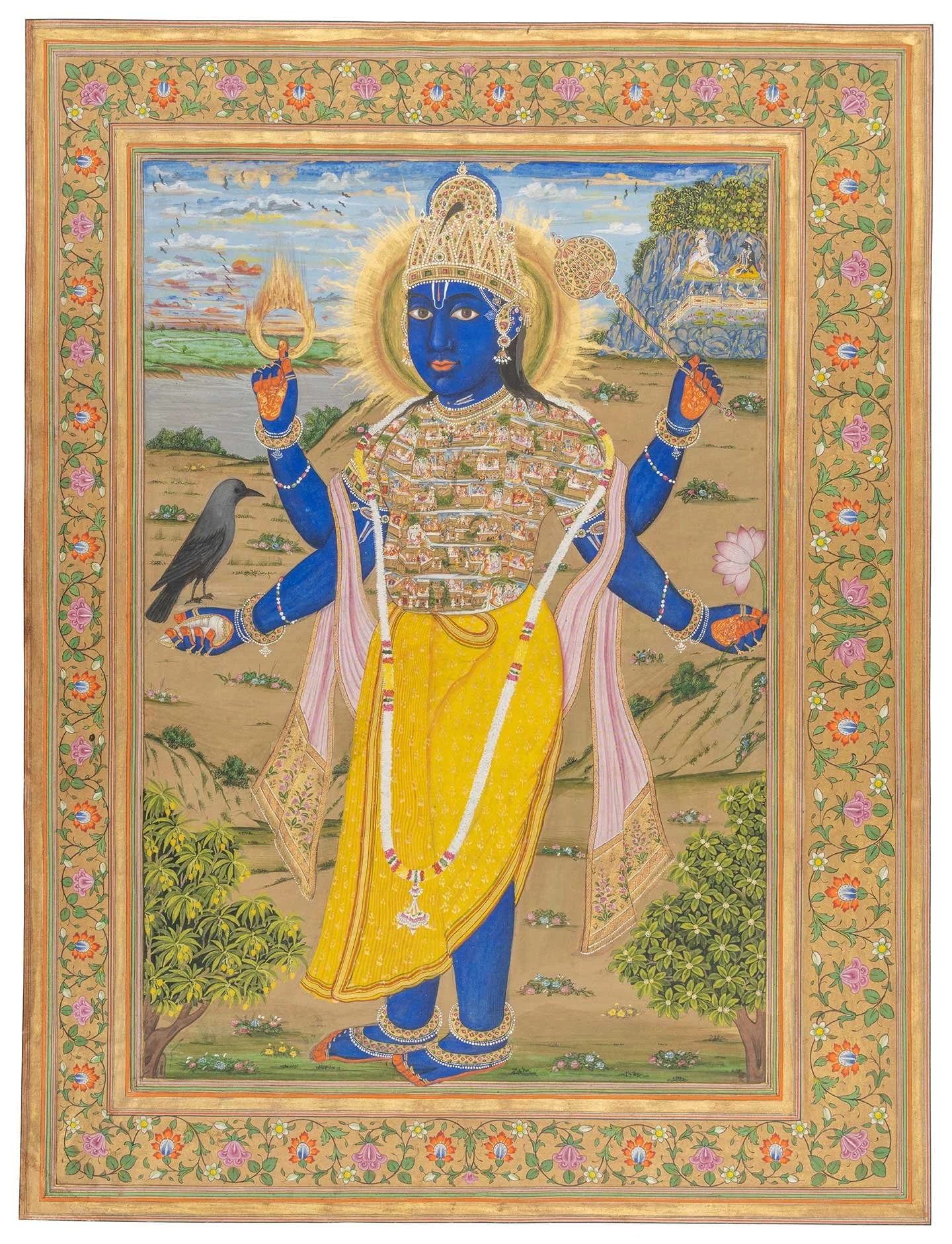
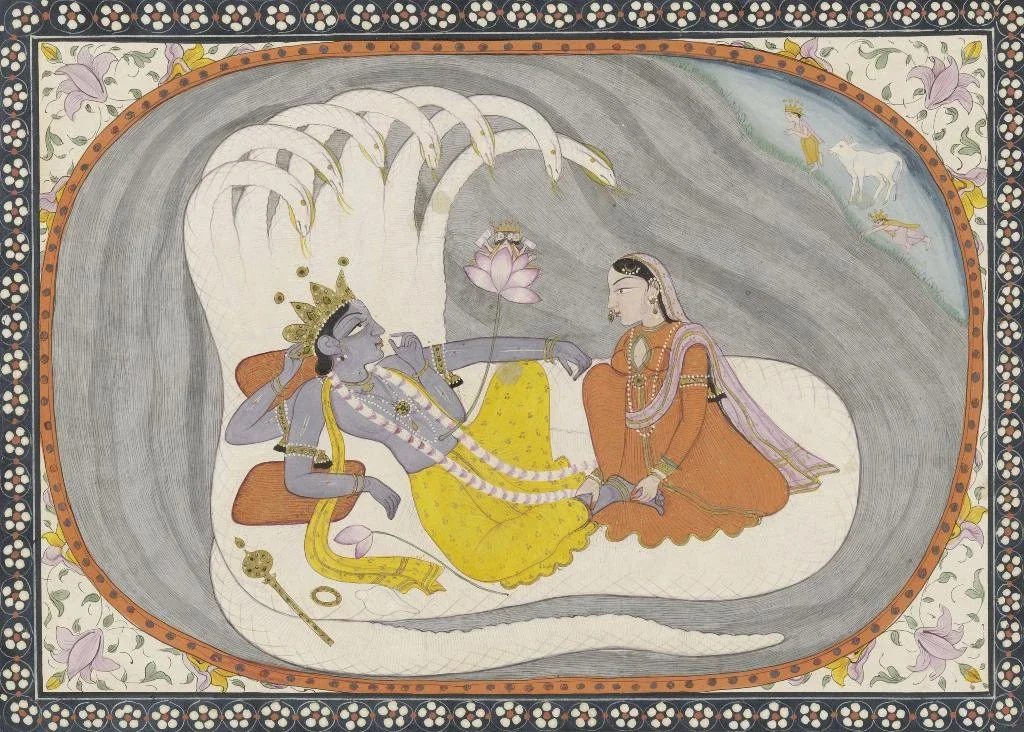
In grief, the month itself approached Viṣṇu, lamenting its incompleteness. Moved by compassion, Viṣṇu claimed it as his own — bestowing upon it his most exalted name: Puruṣottama, the Highest Self. He declared it not merely auspicious but the most potent of all months for spiritual practice, more sacred than any other in the calendar. The month that was cast out became the most beloved.

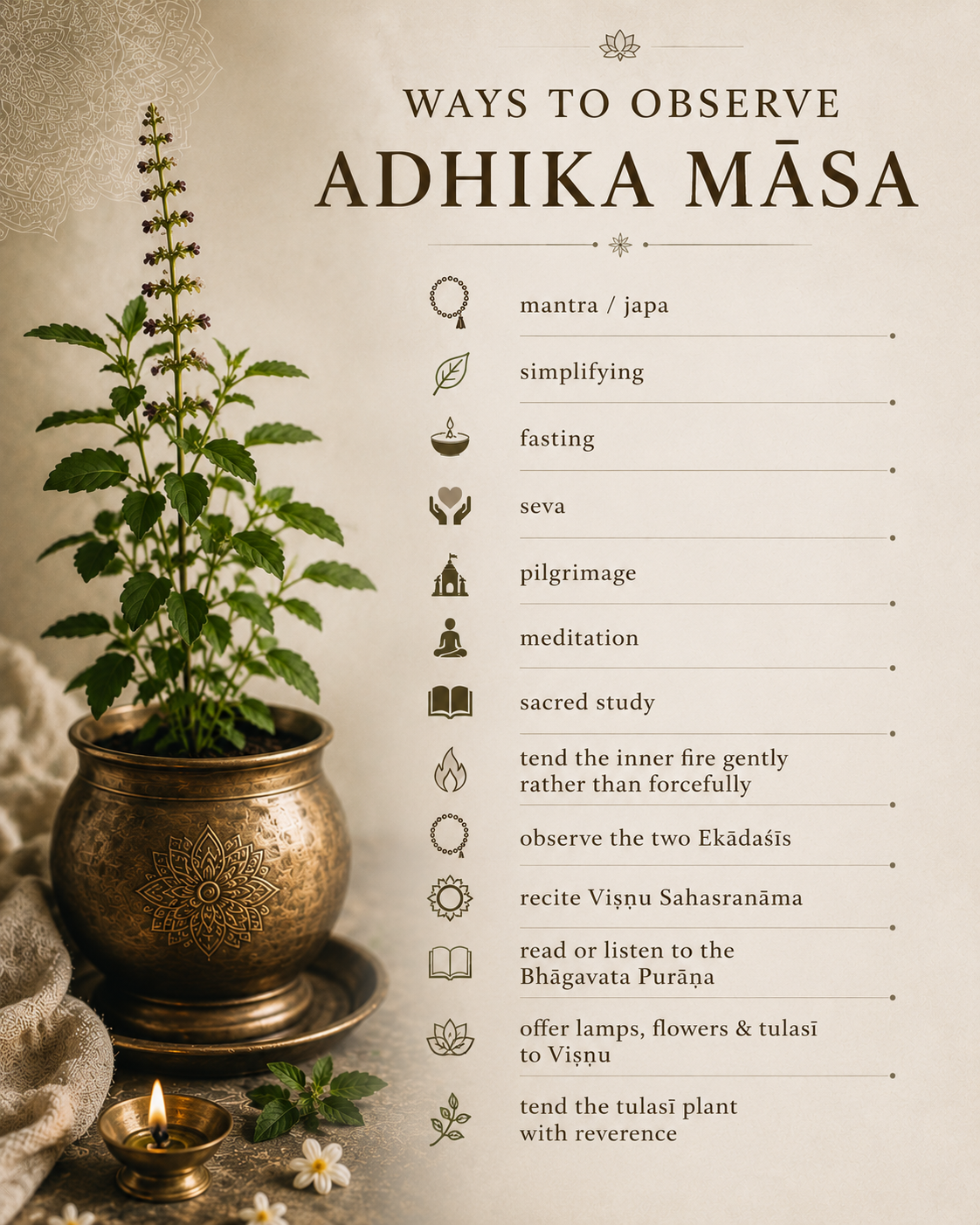
A month traditionally devoted to simplification, prayer, pilgrimage, mantra, sacred study, nourishing the body, and returning awareness toward what is essential.

The tradition offers specific practices for this sacred interval — not as obligation, but as invitation. Devotionally, this is a month to recite the Viṣṇu Sahasranāma, to offer lamps, flowers, and tulasī to Viṣṇu daily, to tend the tulasī plant with reverence, and to read or listen to the Bhāgavata Purāṇa. The month carries two Ekādaśīs — both potent for fasting, inward turning, and deepening one’s relationship with the divine.
Artwork: Pinterest

For practice, Puruṣottama Māsa is considered especially auspicious for beginning or deepening a sādhana — whatever discipline you have been waiting to establish, this month holds unusual potency for it. Japa is particularly supported, especially Viṣṇu mantras such as Om Namo Bhagavate Vāsudevāya. 

Prāṇāyāma, Yoga Śāstra study, and any sincere inward discipline find fertile ground here.

In the realm of lifestyle, the tradition invites simplification — of diet, reducing tamasic foods and unnecessary consumption, quieting excess speech, withdrawing from the constant current of screens and stimulation. Charitable giving is considered especially meritorious this month, the merit of any offering said to be multiplied. To give, to fast, to study, to pray — these are not austerities here but acts of alignment.

This year, Adhika-māsa begins under the New Moon in Kṛttikā Nakṣatra (Taurus)—the birth star of the Moon and lunar mansion governed by Agni, the sacred fire.

Kṛttikā carries the power to purify, refine, and illuminate through discernment—burning away excess to reveal what is essential.

A potent threshold for recalibration, nourishment, and refining what we are taking in physically, mentally, emotionally, and spiritually.

And so this Adhika Māsa holds a particular potency — Agni’s discerning fire meeting Viṣṇu’s boundless compassion. What the fire refines, devotion receives. What is burned away reveals not absence, but belonging. Like the month itself, what has felt cast aside or incomplete may find, in this sacred interval, its truest name.

A beautiful time to replenish prāṇa, refine one’s sādhana, and listen more deeply.

ॐ नमो भगवते वासुदेवाय ॥
May Pañcāṅga: Vedic Calendar

May 2026 — Vedic Calendar

Vedic Pañcāṅga

May 1: Full Moon in Svātī (Libra) | Buddha Jayantī | Kurma Jayanti 

May 2: Nārada Jayantī

May 11: Maṅgala enters Aries 

May 12/13: Aparā Ekādaśī

May 13: Śukra enters Gemini | Vidyā & Chai Gathering 

May 14: Budha enters Taurus

May 14/15: Sūrya enters Taurus (Vṛṣabha Saṅkrānti)

May 15: Vat Sāvitrī Vrat 

May 15/16: Śani Jayantī | New Moon in Kṛttikā Taurus

May 17: Adhika Māsa begins (Purushottama Māsa) | Saturn Enters Revatī (Pisces)

May 23: Dhūmāvatī Jayantī 

May 25/26: Gaṅgā Daśaharā | Padminī Ekādaśī

May 28: Budha enters Gemini

May 29: Vaikasi Visakam - Appearannce day of lord Murugan

May 31: Full Moon in Anurādhā | Kabīr Jayantī

Gaṅgā Saptamī: Reappearance of the River of Time

GAṄGĀ SAPTAMĪ

Artwork: Pinterest

Sunday, May 4th
This sacred observance falls on the Saptamī tithi (seventh lunar day) of the waxing phase of the Moon in the Vedic month of Vaiśākha (April/May), and commemorates the auspicious reappearance of Gaṅgā Devī upon Earth.  

Through King Bhagīratha’s penance, Gaṅgā descended from Svarga-loka, crossing realms to reach Earth, where her sacred waters released the sons of Sagara from their karmic imprisonment.  

While Akṣaya Tṛtīyā celebrates the boon of her descent, it is on Gaṅgā Saptamī that her celestial stream was finally released from the matted locks (jaṭā) of Lord Śiva and began to sanctify the Earth.

Artwork: Pinterest

The Purāṇas, including the Rāmāyaṇa (Bālakāṇḍa) and the Bhāgavata Purāṇa (Skandha 9), recount the tale of King Bhagīratha, whose generations-long tapasya invoked Gaṅgā’s compassion to liberate the souls of the sons of Sagara. 

Yet her descent was so powerful that it threatened to shatter the Earth—only Śiva, in his vast stillness, could receive her. Holding her within his jaṭā, he did not restrain her, but contained her—transforming overwhelming force into sacred flow.

Artowrk: Pinterest

Here lies a deep teaching: Gaṅgā is awakened śakti—pure descent, untamed grace. Śiva, as the unmoving ground, is the stabilizing force of consciousness that alone can channel her power without collapse. This is the union of śakti and śiva, the dance of movement and stillness, of becoming and being. Her release from Śiva’s locks symbolizes not chaos, but the sanctified expression of grace once held in silence.

Gaṅgā is also the river of Time—kalā herself, flowing endlessly through the three worlds. To bathe in her is to step beyond the bounds of karma, if only for a moment. Śiva, as Mahākāla, the Great Time, stands not within the current of time but beyond it, as the witness of all cycles. In her descent, Time meets the Timeless; and through her, we glimpse the possibility of release from the wheel.

Artwork: Pinterst

In yogic traditions, Gaṅgā is traditionally associated with the Iḍā nāḍī—the left-sided lunar channel, governed by the Moon’s cooling, inward-drawing current of śakti. Alongside Yamunā (Piṅgalā) and Sarasvatī (Suṣumṇā), she forms the subtle triveṇī saṅgam within the energetic body—the sacred inner confluence of breath, mind, and consciousness at the heart of spiritual awakening.

In tantric linages, Gaṅgā is also envisioned as the luminous current of consciousness descending from sahasrāra (the crown) through the Suṣumṇā nāḍī (central channel)—a divine fall not unlike her celestial plunge. Her flow through the inner spine mirrors her outer journey: a river of remembrance, rethreading the soul toward its Source.

Artwork: Pinterest

On this day, devotees honor her presence through mantras, ritual bathing, and silent invocation. Even remembrance is an offering. For those far from her physical waters, to close the eyes and chant her name is to be washed in her subtle presence. May we allow ourselves to be received as she was received—held, softened, and sanctified by the stillness within.

All my Relations - Tulsi

Oṁ Gaṅgāyai Namaḥ
Jaya Jāhnavī Mā