Āṣāḍha (Gupta) Navarātrī: 9 Nights of the Divine Mother

ĀṢĀḌHA GUPTA NAVARĀTRĪ
JULY 14/15–22/23

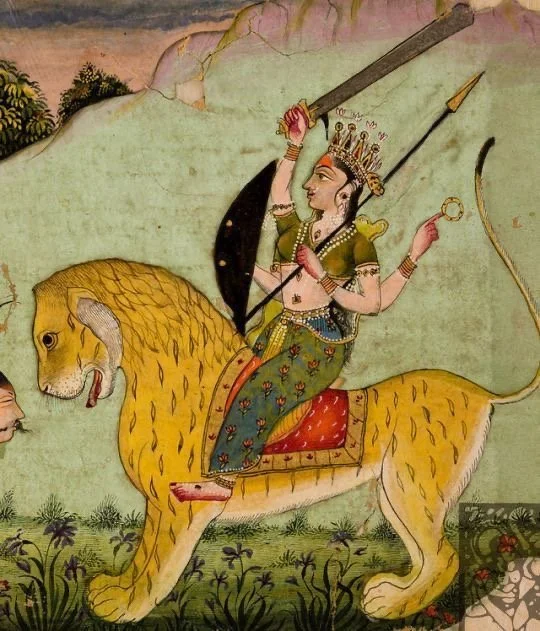
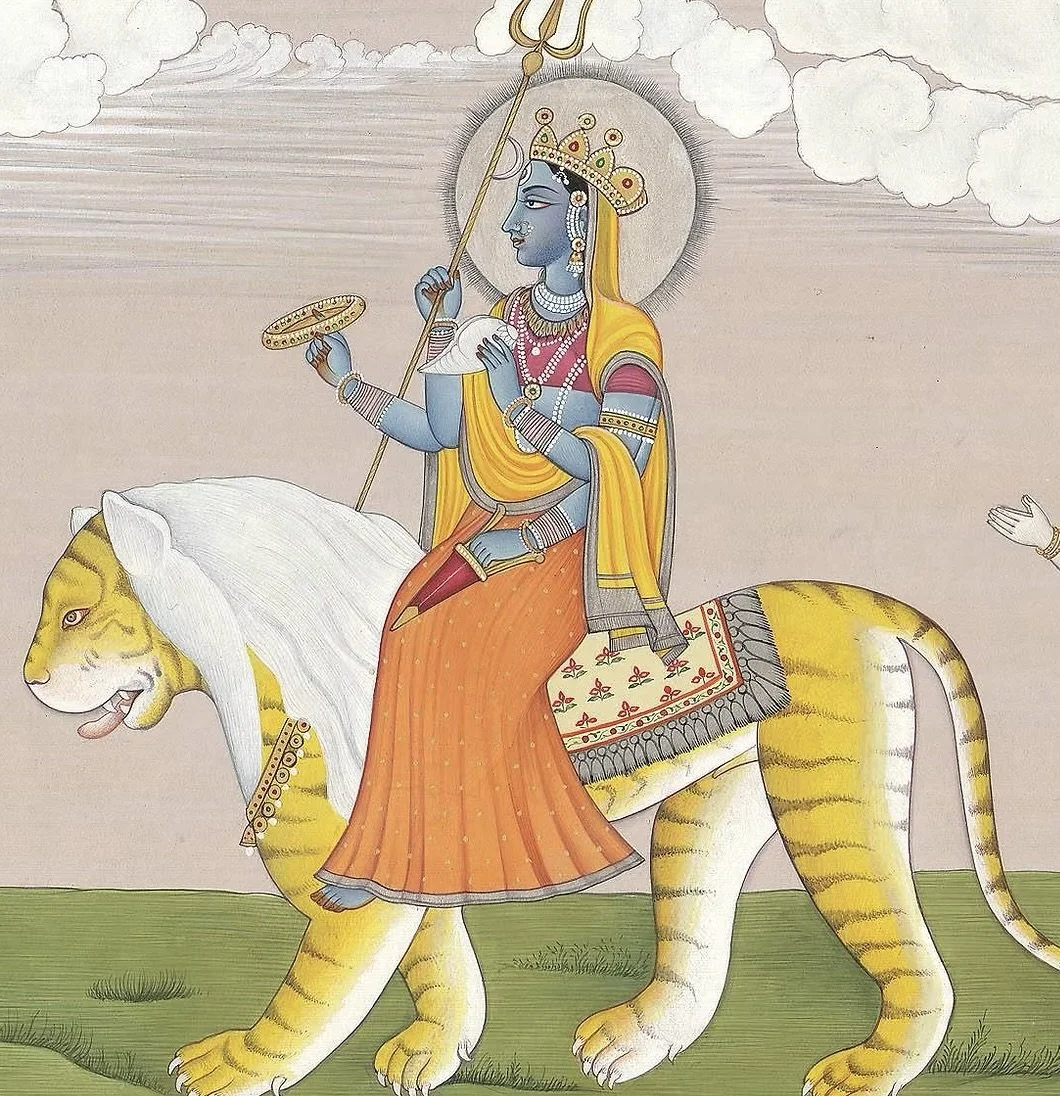
Observed during the month of Ashadha (June/July), this auspicious nine-night festival honors the Divine Mother in her many forms, especially Mā Durgā. It begins on the Pratipadā tithi (1st lunar day) and continues through the Navamī tithi (9th lunar day) of the Śukla Pakṣa (waxing moon), coinciding with the onset of the monsoon season.

It is one of the two lesser-known Navarātris observed each year and is considered a more secretive, inward-facing period of worship. “Gupta” means hidden or secret, reflecting its esoteric character.

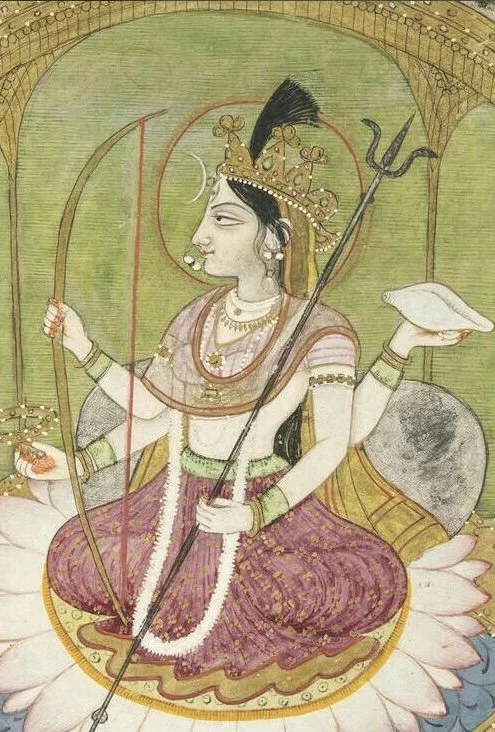
This observance is especially associated with Goddess Vārāhī, one of the Saptamātṛkās (Seven Mother Goddesses) and a fierce form of the Divine Mother. In Śrī Vidyā traditions, Vārāhī is revered as Daṇḍanāthā, the commander and protector of Śrī Lalitā Tripurasundarī army, and in some traditions she is said to embody the force of Yama Deva. 
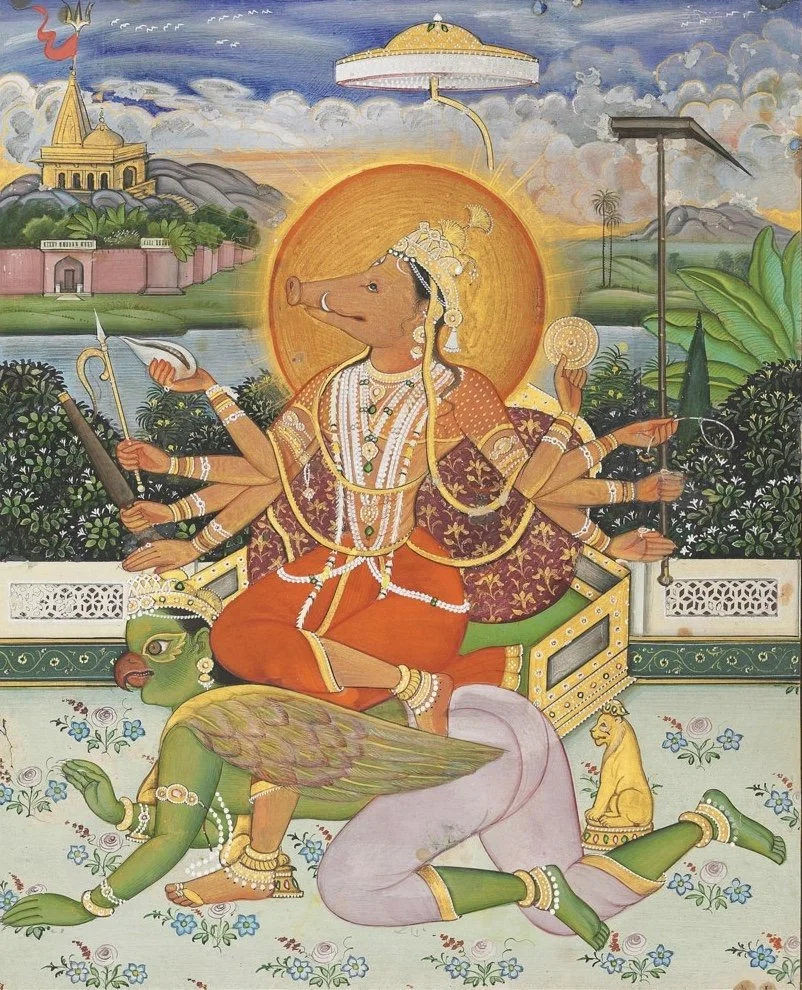
Often depicted as a blue-hued, eight-armed, boar-faced sovereign goddess holding a staff, she is honored as a goddess of protection, wisdom, and the destruction of ignorance. Just as the boar delves beneath the surface to unearth what lies buried, Vārāhī unveils what has remained concealed, uprooting avidyā.

Many devotees fast during the day, chant mantras to Goddess Durgā, recite the Devī Māhātmyam (Durgā Saptashatī), and perform Daśa Mahāvidyā sādhanas.

ॐ श्री वाराही देव्यै नमः

Tradtionally this festival is observed when Pratipadā tithi (S1) is present at Sunrise in your location. July 14th US | July 15th India
Chaitra Navarātri: The Nine Nights of the Divine Feminine

CHAITRA NAVARĀTRI

March 19th - 27th

Chaitra Navarātri begins on the Pratipadā tithi in the Śukla Pakṣa of Chaitra, marking nine days of devotion and renewal, culminating with Rāma Navamī. This festival celebrates the arrival of spring, symbolizing blossoming life and spiritual purification.

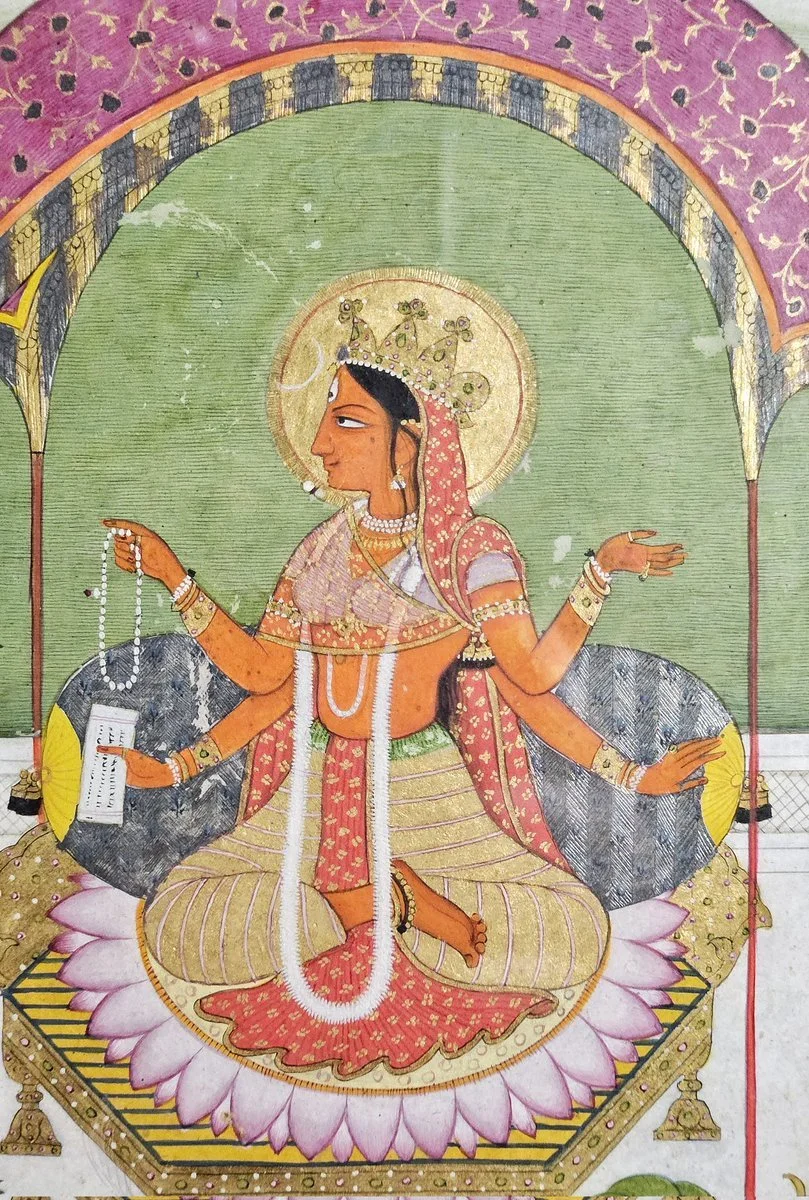
Dedicated to Goddess Durgā and her nine forms (Navadurgā), Navarātri is a time of deep transformation. In Śrīvidyā traditions, it is also associated with Mahāvidyā Tripura Sundarī — The Beautiful One of the Three Cities (also known as Mā Ambikā and Rāja Rājeśvarī), the embodiment of supreme beauty, clarity, and refined discernment. Through her grace, we learn to see beyond the architecture of illusion, aligning with the deeper intelligence that orchestrates all things.

An internal quest is invoked to locate our seat within the heart of the Goddess. In a world that seizes our attention to seek truth outside ourselves, we’re called to go deeper within and cultivate a direct experience with Her.

Devī is that awakening force, the primordial energy within us awaiting our attention. Yoga teaches that whatever we focus on grows stronger in our lives. Move beyond your ideas of who she is and how she can be reached.

This window is ripe for putting into practice the teachings found in the yoga śāstra. In quieting our mind and embracing both our shadows and light — we’re called to enter that space and transcend.

As we tend to śakti and establish a foundation in Her, we awaken our power to focus and draw our energies inside — this continued focus is active meditation calling us to become absorbed in Her.

She is the embodiment of all that is and ever will be; She is our breath and gives life to all. Yet she cannot be reached by contemplation or intellectual understanding; she can only be touched through direct experience — requiring digestion and stabilization to be truly lived.

Can you answer that call?

ॐ श्री मात्रे नमः 

This Pratipadā tithi also marks Ugadi, the beginning of the new year in the South Indian lunisolar calendar — a threshold of renewal and the opening of a new cycle.