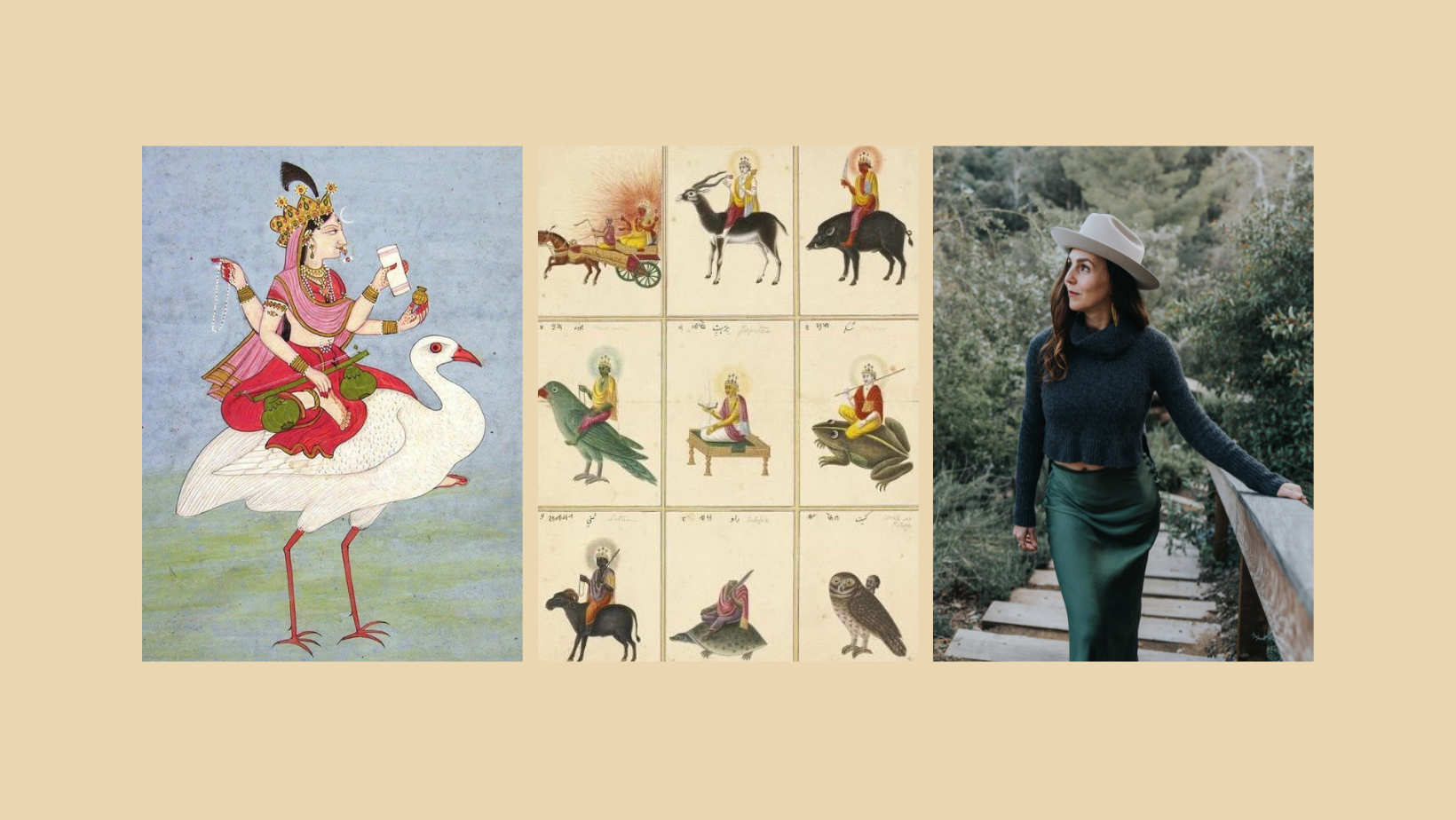
Āṣāḍha (Gupta) Navarātrī: 9 Nights of the Divine Mother

ĀṢĀḌHA GUPTA NAVARĀTRĪ
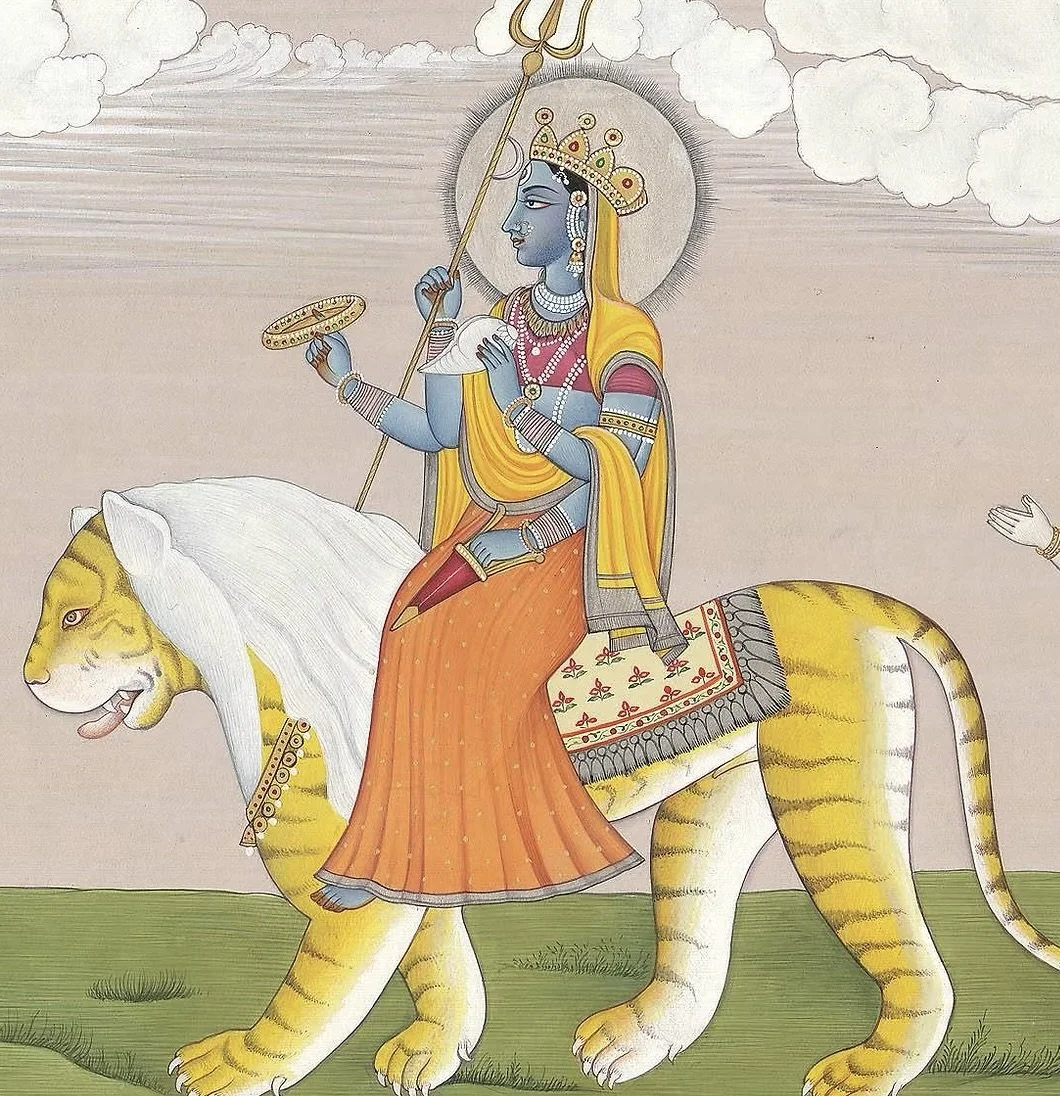
JULY 14/15–22/23

Observed during the month of Ashadha (June/July), this auspicious nine-night festival honors the Divine Mother in her many forms, especially Mā Durgā. It begins on the Pratipadā tithi (1st lunar day) and continues through the Navamī tithi (9th lunar day) of the Śukla Pakṣa (waxing moon), coinciding with the onset of the monsoon season.

It is one of the two lesser-known Navarātris observed each year and is considered a more secretive, inward-facing period of worship. “Gupta” means hidden or secret, reflecting its esoteric character.

This observance is especially associated with Goddess Vārāhī, one of the Saptamātṛkās (Seven Mother Goddesses) and a fierce form of the Divine Mother. In Śrī Vidyā traditions, Vārāhī is revered as Daṇḍanāthā, the commander and protector of Śrī Lalitā Tripurasundarī army, and in some traditions she is said to embody the force of Yama Deva. 
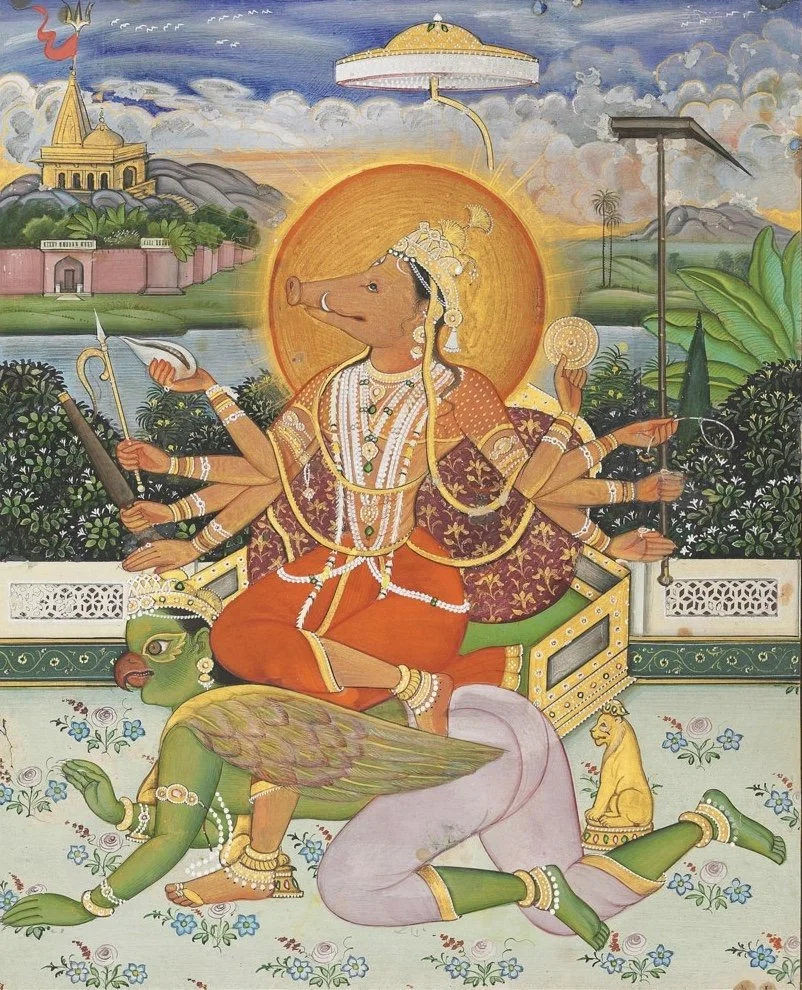
Often depicted as a blue-hued, eight-armed, boar-faced sovereign goddess holding a staff, she is honored as a goddess of protection, wisdom, and the destruction of ignorance. Just as the boar delves beneath the surface to unearth what lies buried, Vārāhī unveils what has remained concealed, uprooting avidyā.

Many devotees fast during the day, chant mantras to Goddess Durgā, recite the Devī Māhātmyam (Durgā Saptashatī), and perform Daśa Mahāvidyā sādhanas.

ॐ श्री वाराही देव्यै नमः

Tradtionally this festival is observed when Pratipadā tithi (S1) is present at Sunrise in your location. July 14th US | July 15th India
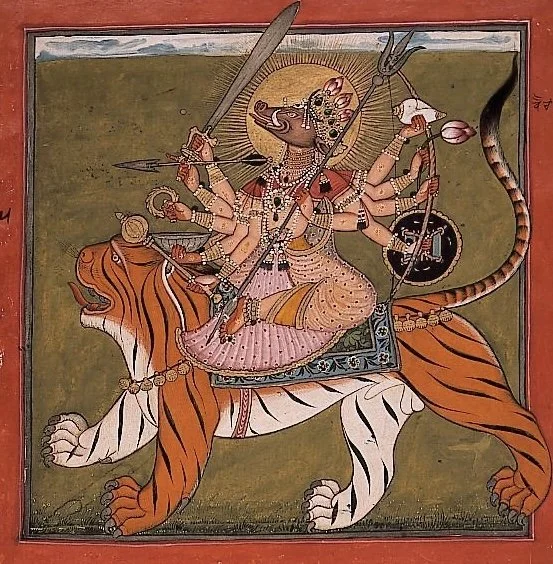
Ashadha Gupt Navarātri: Nine nights of Mother Divine

Ashadha Gupt Navarātri नवरात्रि | July 6th-15th

Artwork: Pinterest

Observed during the month of Ashad (June/July), this auspicious Hindu festival spans nine nights, honoring the nine incarnations of the goddess Durgā, revered as Śakti. Celebrated from the Pratipadā tithi (1st lunar day) to the Navamī tithi (9th) of the Shukla Paksha (waxing moon), this nine-day festival coincides with the onset of the monsoon season.

This festival is one of the two lesser-known navarātri’s celebrated each year, marking auspicious periods for worship dedicated to the divine feminine. "Gupta" signifies hidden or secret, reflecting the esoteric and inward-focused nature of this Navarātri. 

Dedicated primarily to Goddess Vārāhi, one of the seven (some say eight) mother goddesses (Saptamātṛkas) and consort (also known as Bhū Devi - personified earth) of Lord Vārahā (boar), the third incarnation of Lord Viṣṇu, Ashadha Gupt Navarātri holds profound spiritual significance and is also a time of importance for farmers seeking blessings for their crops. 

Goddess Vārāhi was born from the body of Lord Vārahā and has the face of a boar. She is said to be another form of Parvati, who holds the energy of Yama dev. Among the Das Mahāvidyā, she is Kamalā. She is depicted as riding a buffalo (or Tiger) and holding a staff in her hand. She is said to be the embodiment of knowledge (jñān) and the slayer of demons (ignorance), bestowing compassion and protection upon her devotees.

Many fast during the day, chant mantras to Goddess Durgā, including the Devī Māhātmyam (Durgā Saptashati), and some perform the Das Mahāvidyā sādhanas.

Aum Aim Hreem Kleem Chamundayai Vichche 

ॐ ऐं ह्रीं क्लीं चामुण्डायै विच्चे