Jupiter Enters Cancer

Jupiter Enters Cancer
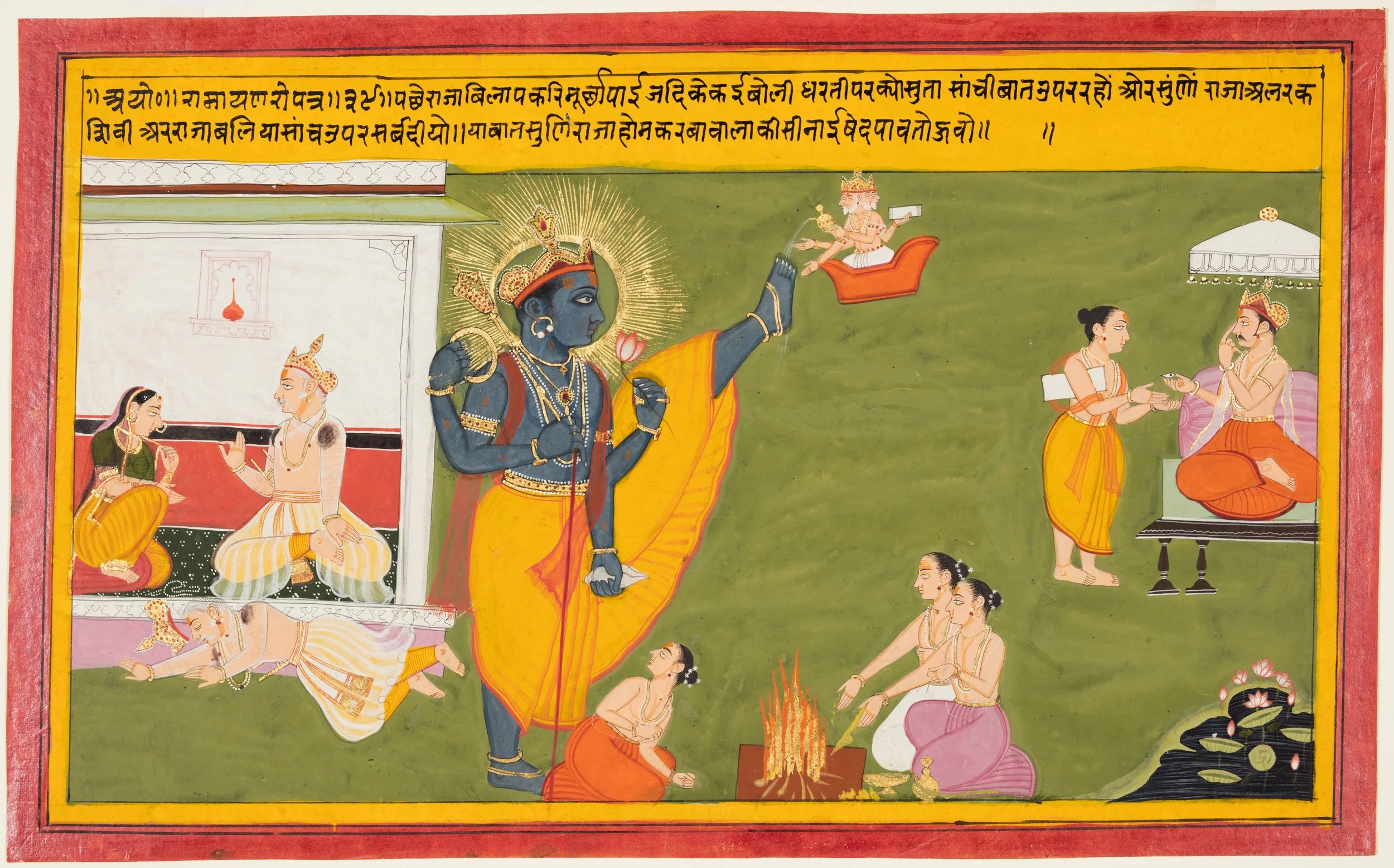
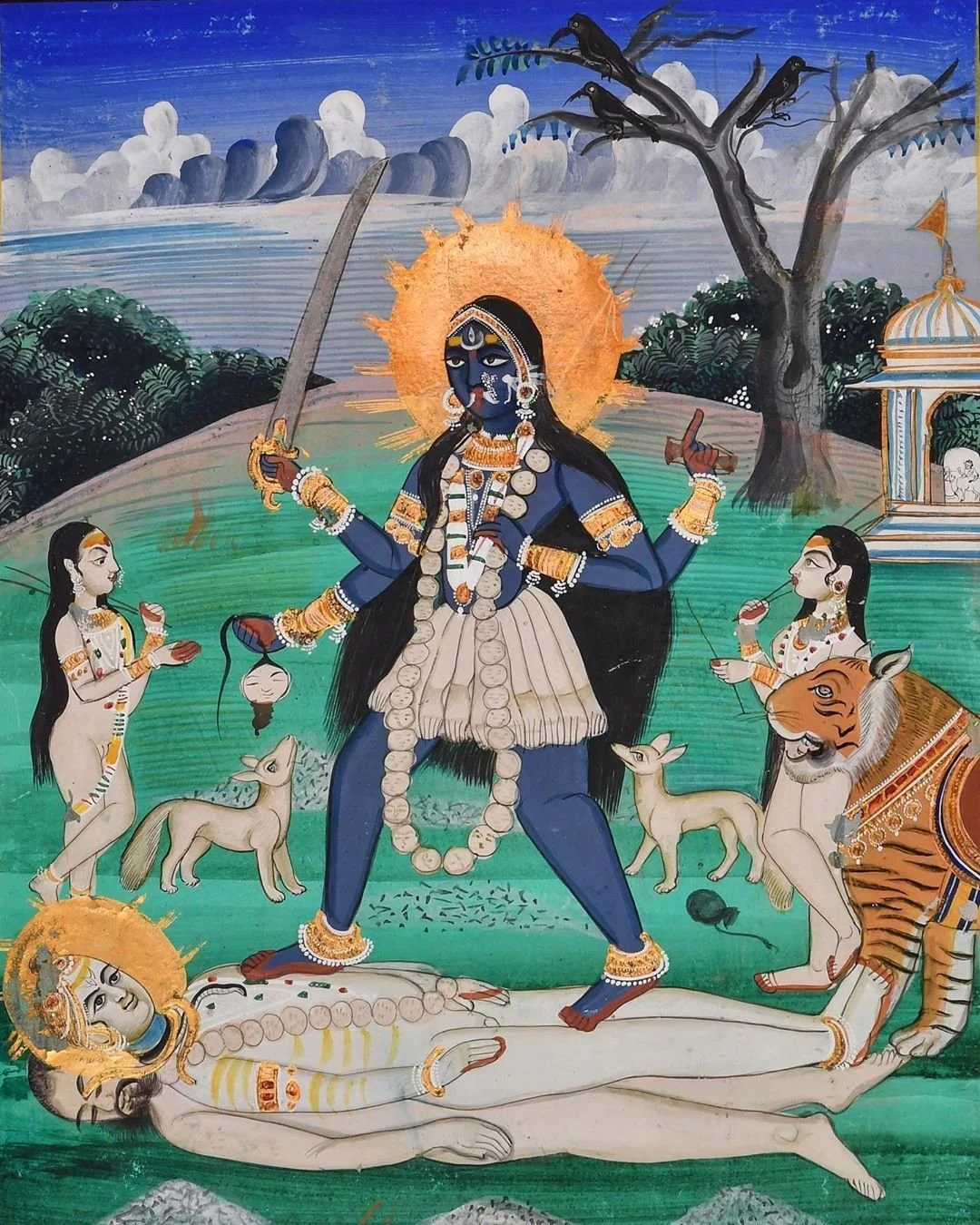
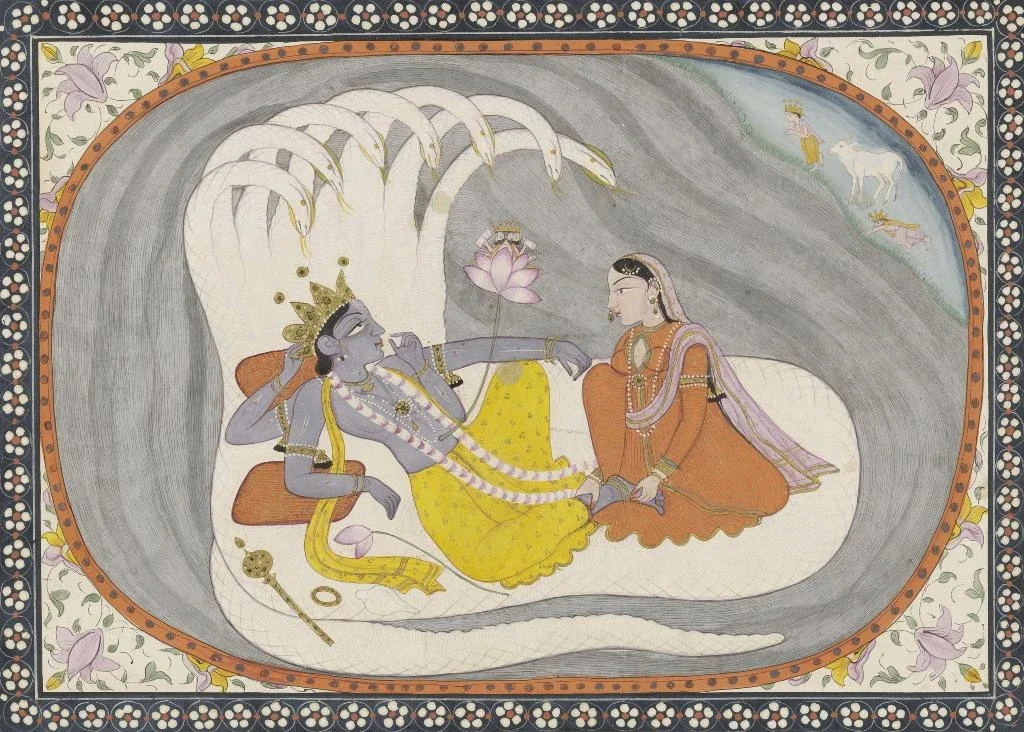
Vāmana Avatāra and King Bali | Mewar, Rajasthan, c. 1710

06.01 - 10.31

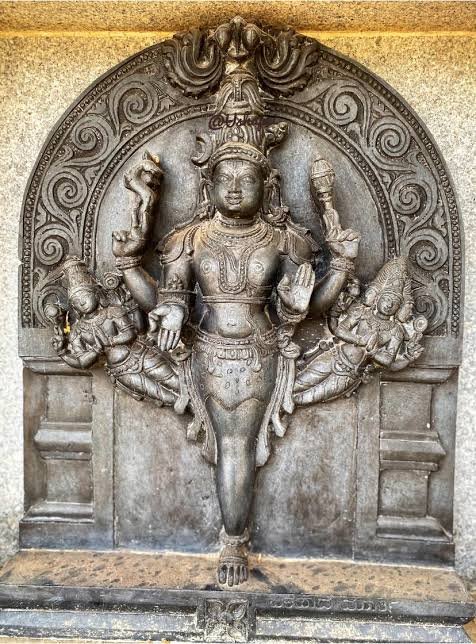
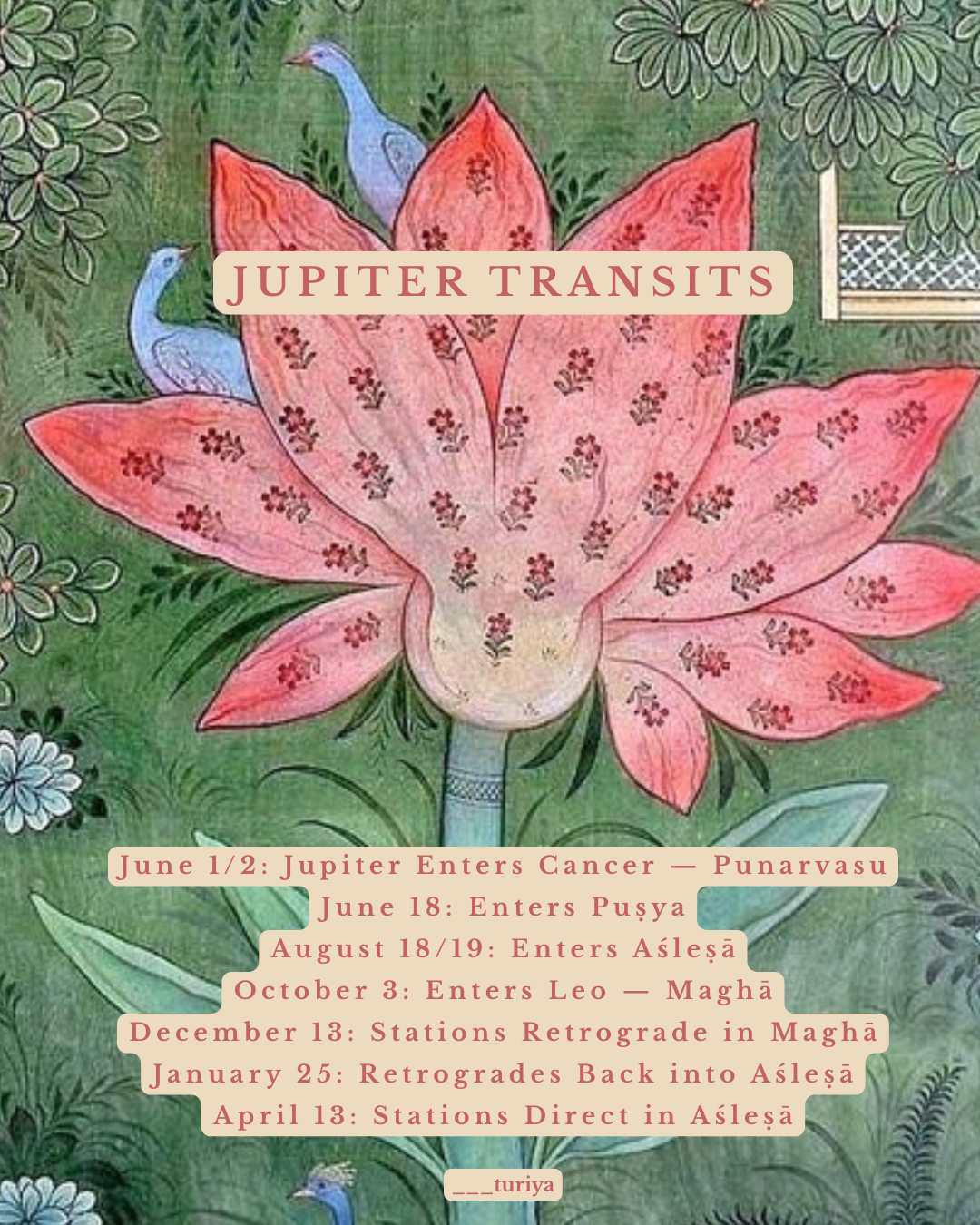
Jupiter returns to Karka Rāśi through the Vedic lunar mansion of Punarvasu. On June 18th, Guru enters Puṣya Nakṣatra, stepping into his uccha (exaltation) point within the heart of Cancer. Known as the Star of Nourishment, Puṣya is the seat of Bṛhaspati—the preceptor of the gods and speaker of the prayer.

Jupiter, the planet of expansion, intelligence, wisdom, magnetism, counsel, divine strategy, sound (śabda), speech (vāk), invocation, mantra, and music, is Jīva Karaka—the significator of life itself.

Known as Vācaspati, Lord of Speech, and said to possess a voice like a lion, Guru restores things to their rightful place according to their inherent nature.

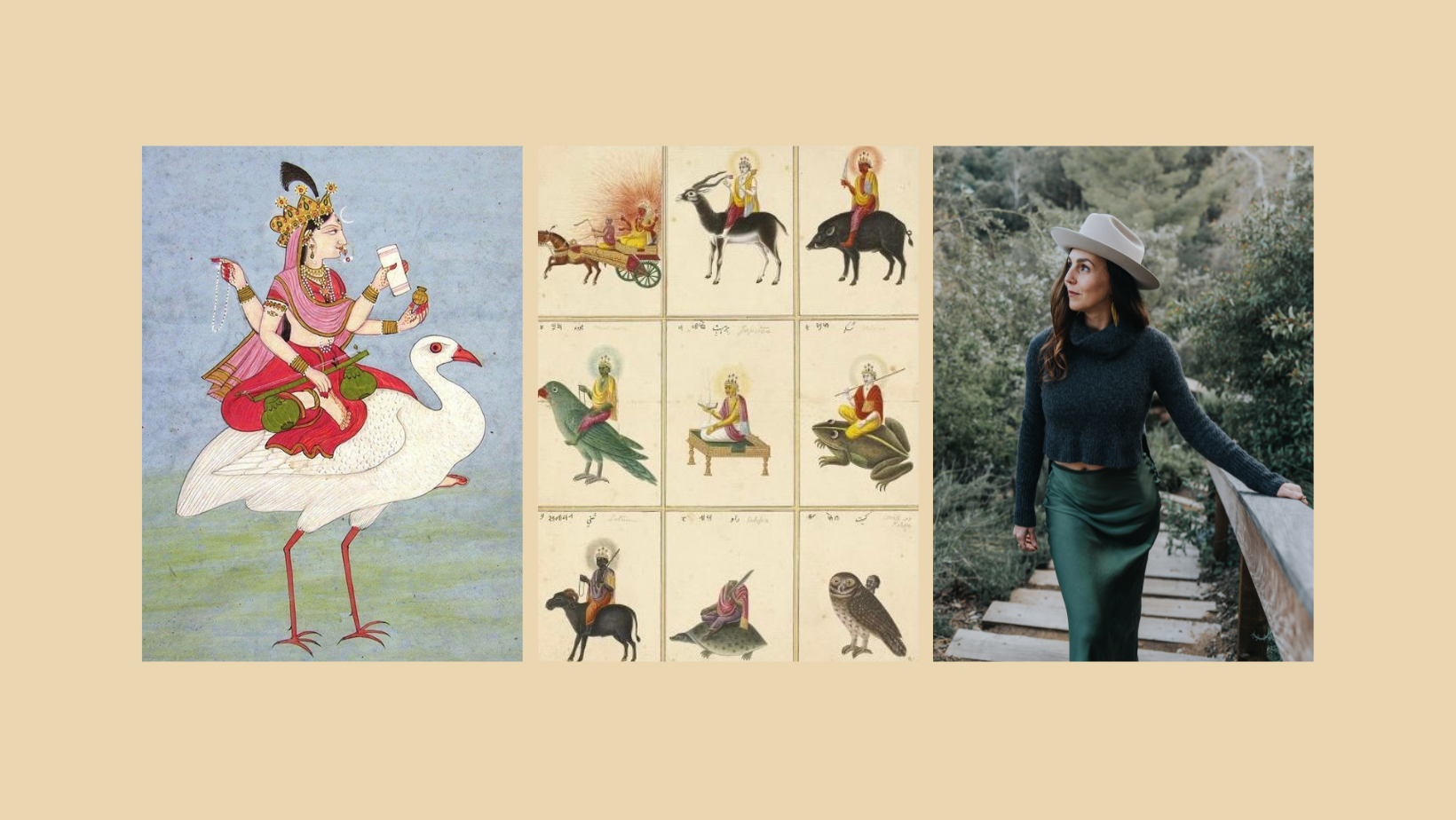
His vehicle is the elephant. He rules Thursday, Sagittarius, and Pisces, wears yellow, and his gemstone is Pukhrāj (Yellow Sapphire). Predominantly Kapha in constitution and the carrier of Ākāśa Tattva, Jupiter governs the intelligence through which life is understood and meaning is revealed.
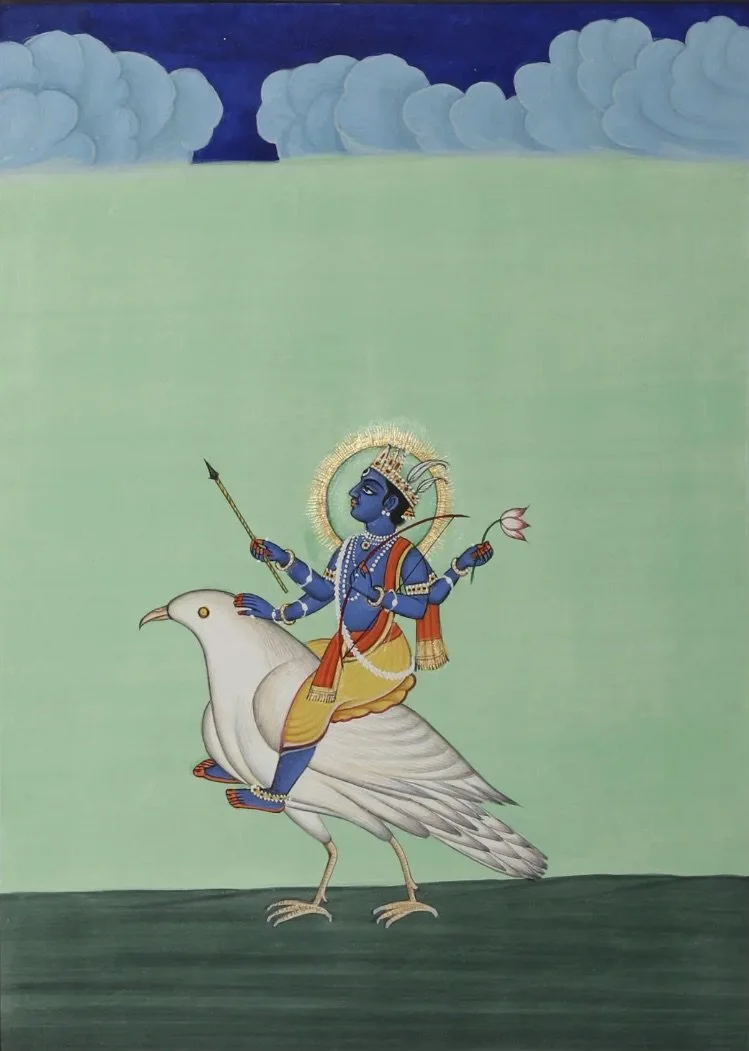
Artwork: Pinterest

As the seat of Bṛhaspati, Puṣya points toward a deeper form of nourishment. In the Bhāgavata Purāṇa's account of King Pṛthu and the milking of the Earth, the great Ṛṣis fashioned Bṛhaspati as the calf and drew forth Vedic knowledge itself as the milk. Here, nourishment is not merely grain, wealth, or material sustenance, but Brahma Vidyā—the wisdom that illuminates, refines, and guides the Jīva through the unfolding of karma.

Puṣyā holds the energy of Brahmacarchasva Śakti, the power to invoke spiritual radiance through sacred speech, prayer, mantra, and tapasya. The wealth cultivated here is puṇya—the accumulated merit generated through right action, discipline, devotion, and intention. From this storehouse of merit arise protection, guidance, resilience, and the unseen support that sustains life through both prosperity and challenge.

Among the most auspicious nakṣatras, Puṣyā is deeply favorable for beginnings of all kinds—except marriage. Its blessings are not merely concerned with outward success, but with establishing conditions that can sustain growth over time. True nourishment includes not only provision, but protection; not only growth, but the wisdom required to preserve and steward what has been entrusted to our care.

As Jīva Karaka, Jupiter is the experiencer of karma. Through the Jīva, we encounter both sukha and duḥkha, the fruits of actions ripened for experience. His transit through Cancer, the natural fourth house and domain of sukha, turns our attention toward the foundations of nourishment, belonging, and that which genuinely sustains life.

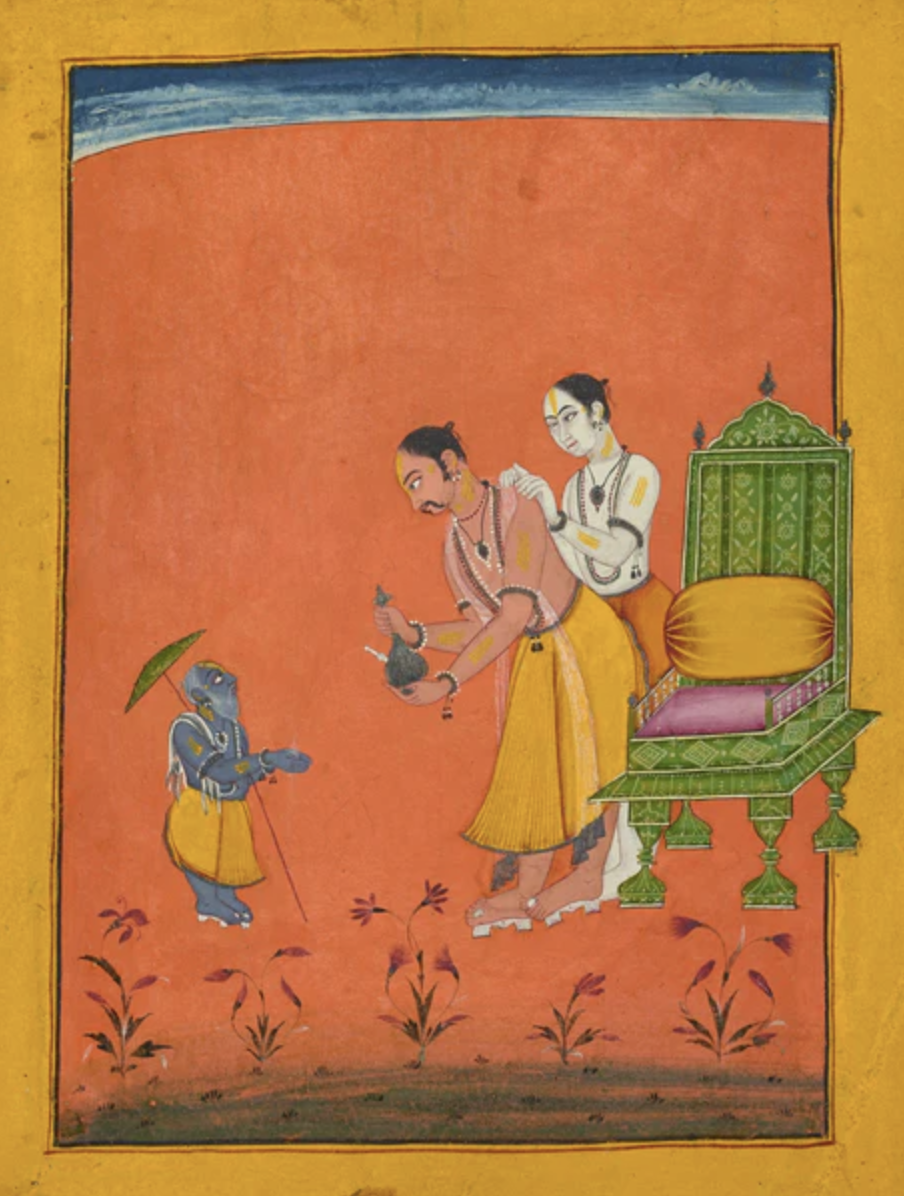
As Śrī Vāmana, the fifth avatāra of Lord Viṣṇu, he demonstrates another dimension of Guru's nature. Employing divine strategy (māyā-upāya), Vāmana restored the worlds to their rightful place. When the influence of the asura king Bali extended across the three worlds, Viṣṇu appeared as a humble yet magnetic dwarf brāhmaṇa.
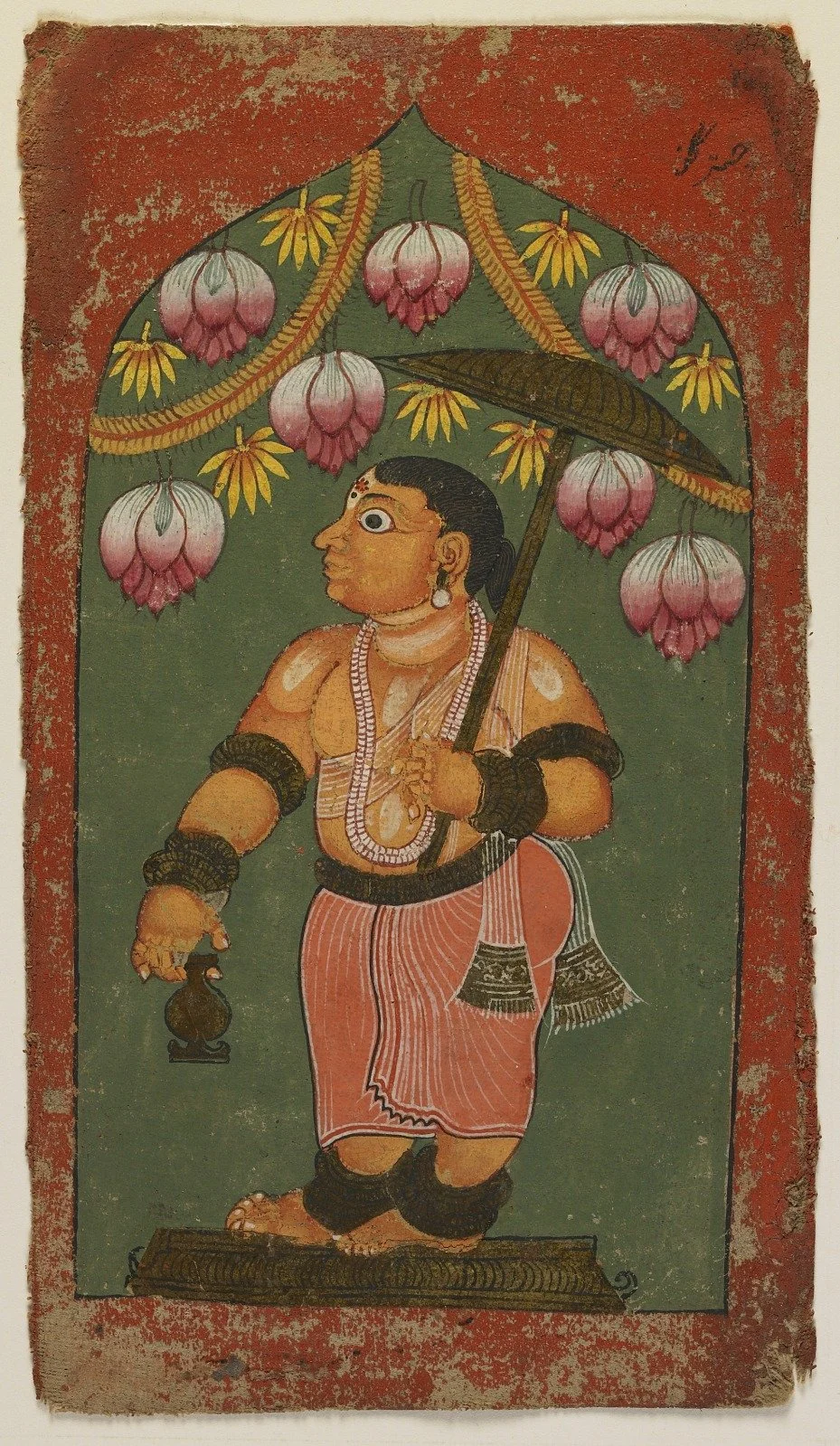
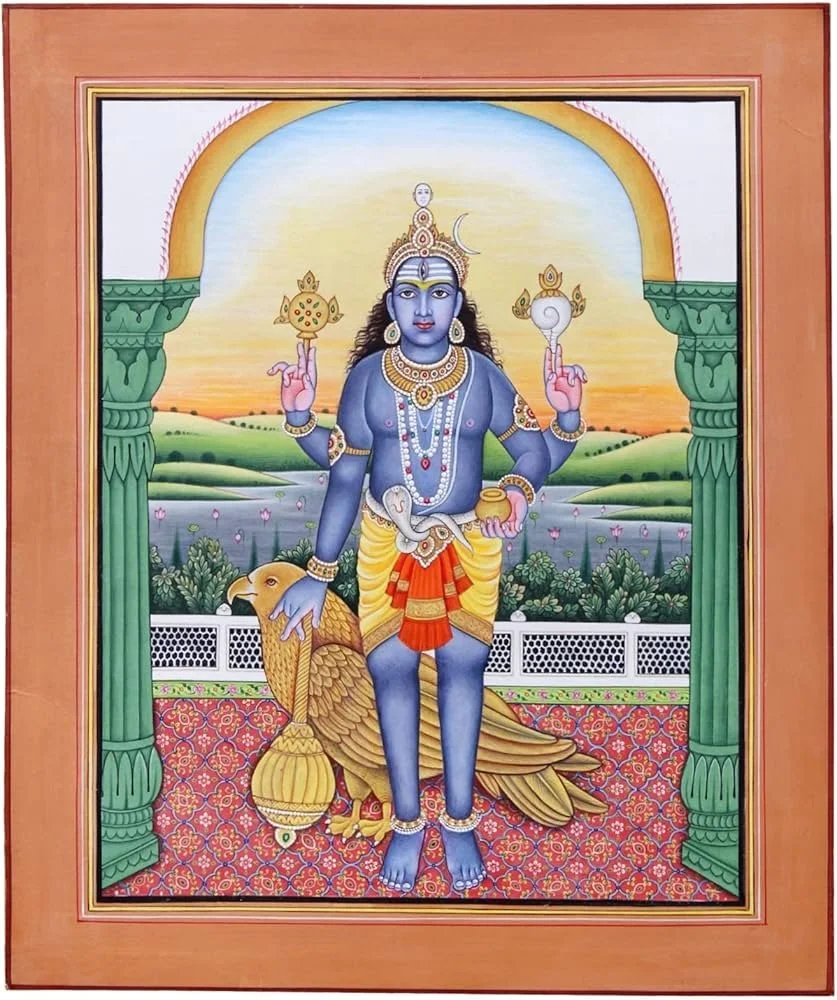
Artwork: Vishnu as Vamana | National Museum of Asian Art. South Indian School. 18th Century.

Approaching Bali during a sacrifice, he requested only three paces of land. Confident in his generosity and power, Bali agreed, despite the warning of his guru Śrī Śukrācārya, who urged him not to grant the request.

What followed was an unfolding of divine order. Expanding into his cosmic form, Trivikrama, he covered the Earth with his first step and the heavens with his second. With nowhere remaining for the third, Bali offered his own head. The celestial realms were restored to the devas, while Bali was established as ruler of Pātāla Loka according to his nature and role.

Like Vāmana, Guru restores order through the re-establishment of proper proportion. Bali was not cast down for being unrighteous; he had simply extended beyond the bounds of what was rightfully his. Through wisdom and discernment, Vāmana restored the worlds according to dharma, returning each being to its rightful place. The devas regained their celestial domains, Bali was established in a kingdom befitting his nature and merit, and cosmic order was once again upheld.

This is the deeper movement of Jupiter through Karka Rāśi and Puṣyā Nakṣatra. Guru reveals what has fallen out of alignment and guides it back toward its proper place. What has been neglected is nourished. What has exceeded its measure is tempered. What has been forgotten is brought once more into conscious awareness. Through wisdom, merit, and right understanding, dharma is restored from the inside outward.

If you are in a Jupiter or Saturn daśā or antar-daśā, pay close attention to the shifting tides and what is now coming forward.

Deep dive together in our Vidya and Chai monthly gathering on June 13th | email tulsibagnoli@gmail.com to RSVP

ॐ बृहस्पतये नमः | oṁ bṛhaspataye namaḥ
Saturn Enters Revatī: The Wealthy Star

SATURN ENTERS REVATĪ

05.17.26 - 10.10.26

What would it mean to stop resisting what is already ending?

Śani’s transit through Revatī (Piseces) Nakṣatra carries a profound teaching around completion, surrender, and vairāgya—the sacred art of non-attachment born through lived experience.

As the final Nakṣatra of the zodiac, Revatī governs endings, dissolution, safe passage, and the crossing between worlds. Ruled by Pūṣan—the nourisher, protector of travelers, keeper of flocks, and guide of souls through unseen terrain—Revatī carries Kṣīradyāpani Śakti, “the power to nourish, protect, and foster.” Its nourishing current is symbolized through kṣīra, milk: that which sustains life gently, quietly, and continuously.

Yet Saturn’s movement through Revatī reminds us that true nourishment is not always indulgent. Sometimes it arrives through simplification. Through exhaustion. Through the gradual dissolution of what can no longer be carried forward.

Revatī is deeply connected to oceans, vastness, migration, transport, and the longing to cross beyond ordinary boundaries. Symbolized by the fishes and resting within the final waters of the zodiac, it often carries an affinity toward the sea, music, creativity, healing, pilgrimage, and spiritual seeking itself—the soul searching across lifetimes for what is enduring beneath the changing tides of experience.

Artwork: Pinterest

Śani here matures through time. Through karma exhausted rather than avoided. Through the recognition that stability cannot ultimately be found in status, identity, praise, possessions, or external certainty. Saturn is often feared because he reveals where attachment governs perception. Yet his nature is not punishment, but precision. He illuminates where fear, resistance, and grasping prevent deeper alignment with reality.

In its highest expression, Revatī points toward genuine renunciation—not rejection of life, but release of false identification. A mind unmoved by gain or loss, palace or hut, recognition or obscurity. This is the deeper current of vairāgya and the quiet dignity Śani seeks to cultivate

There is also movement within this transit. Revatī governs transport, transition, and passage from one state into another. As Śani casts its gaze toward Aśvinī, the first Nakṣatra, endings and beginnings become mysteriously intertwined. What first appears as delay, restriction, or dissolution may ultimately become redirection.

Practically, this transit asks for patience, conservation of energy, grounded routines, humility, and constructive action over reaction. Simplify where possible. Tend carefully to what is essential. Saturn responds well to steadiness, sincerity, and the willingness to work with reality rather than against it.

To understand Śani more deeply is to recognize that he is not separate from time, karma, restraint, or the intelligent architecture of life itself. Resistance intensifies suffering. Alignment restores peace.

All My Relations, Tulsi

Artwork: Pinterest

Saturn’s Transit Dates


May 17th: Saturn enters Revatī (Pisces)

July 27th: Saturn retrogrades in Revatī 

October 10th: Saturn Retrograde re-enters Uttarabhādra

December 11th: Satturn direct in Uttarabhādra 

February 7th, 2027: Saturn re-enters Revatī 

Adhika Purusottama Māsa: A Sacred Month of Inner Recalibration

Adhika PuruSottama Māsa

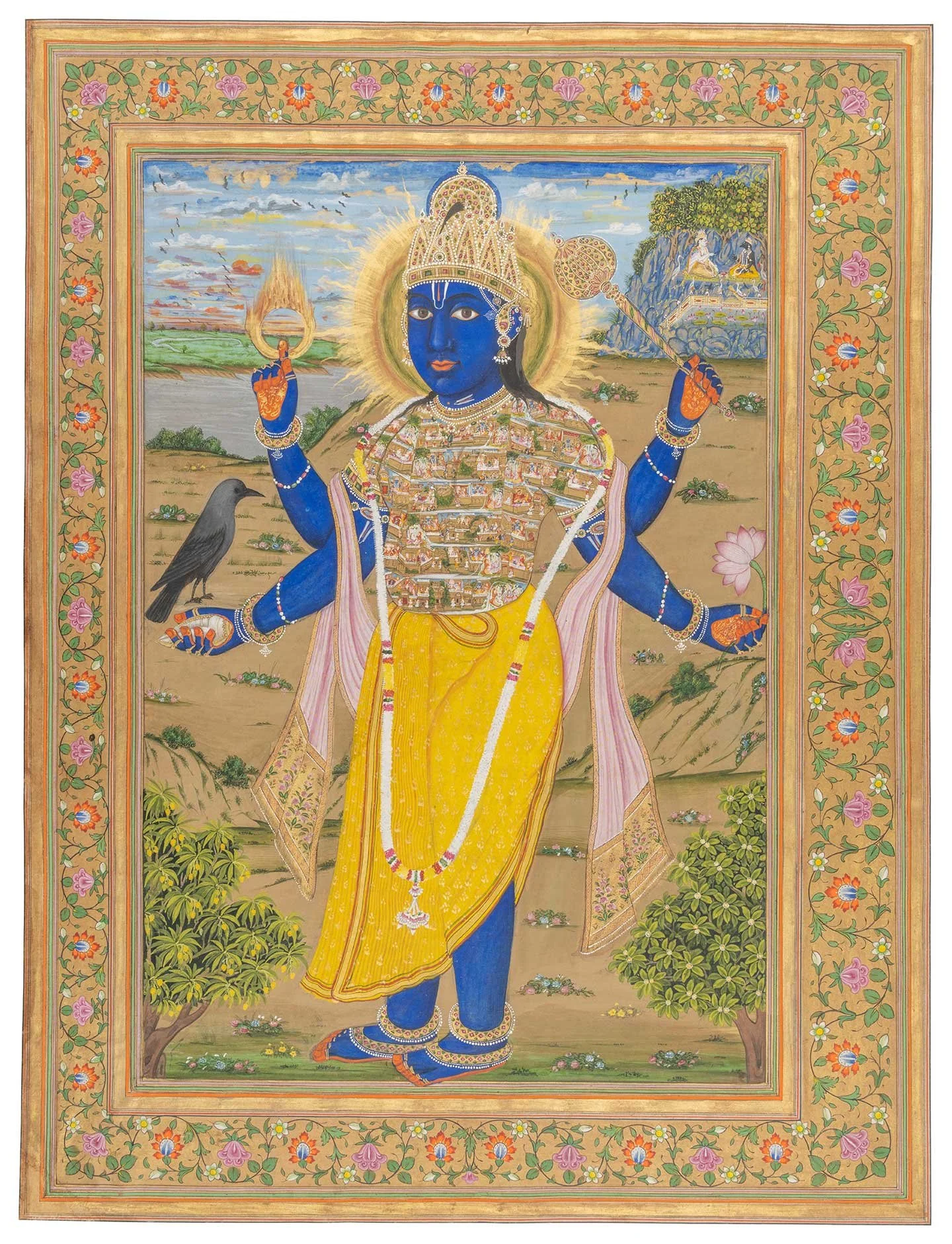
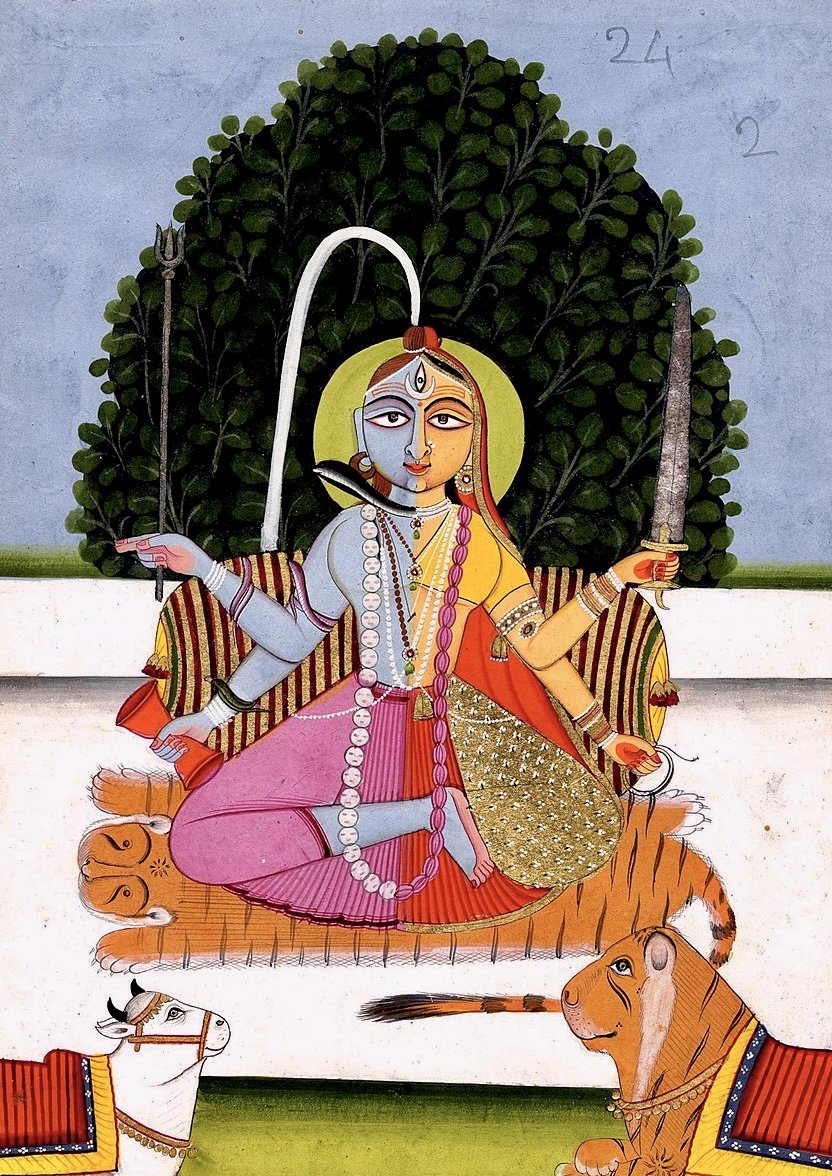
Artwork: Pinterest

05.17–06.15

Approximately every thirty-three months, an additional lunar month arises within the Vedic calendar, Adhika-māsa, also known as Purusottama Māsa and Malamāsa in ancient times.

A sacred interval outside ordinary time.

While the lunar year moves according to the phases of the Moon, the solar year follows the path of the Sun. Over time, a subtle divergence emerges between these two celestial rhythms. Adhika-māsa appears to restore balance—to reconcile the sacred relationship between lunar and solar time.

Yet beyond calendrical adjustment, this month has long been regarded as deeply auspicious for spiritual refinement, restoration, and inward recalibration.

It is a pause within the current of becoming.

Known as the thirteenth month — the one that stands outside the ordinary cycle, belonging neither fully to one year nor the next. A month that exists between —and it is precisely this that makes it sacred.

Yet this month carries something deeper than astronomical necessity. The Purāṇas tell us that Adhika Māsa once had no presiding deity — no lord, no festivals, no name of its own. It was considered inauspicious, even orphaned among the months. 

In grief, the month itself approached Viṣṇu, lamenting its incompleteness. Moved by compassion, Viṣṇu claimed it as his own — bestowing upon it his most exalted name: Puruṣottama, the Highest Self. He declared it not merely auspicious but the most potent of all months for spiritual practice, more sacred than any other in the calendar. The month that was cast out became the most beloved.

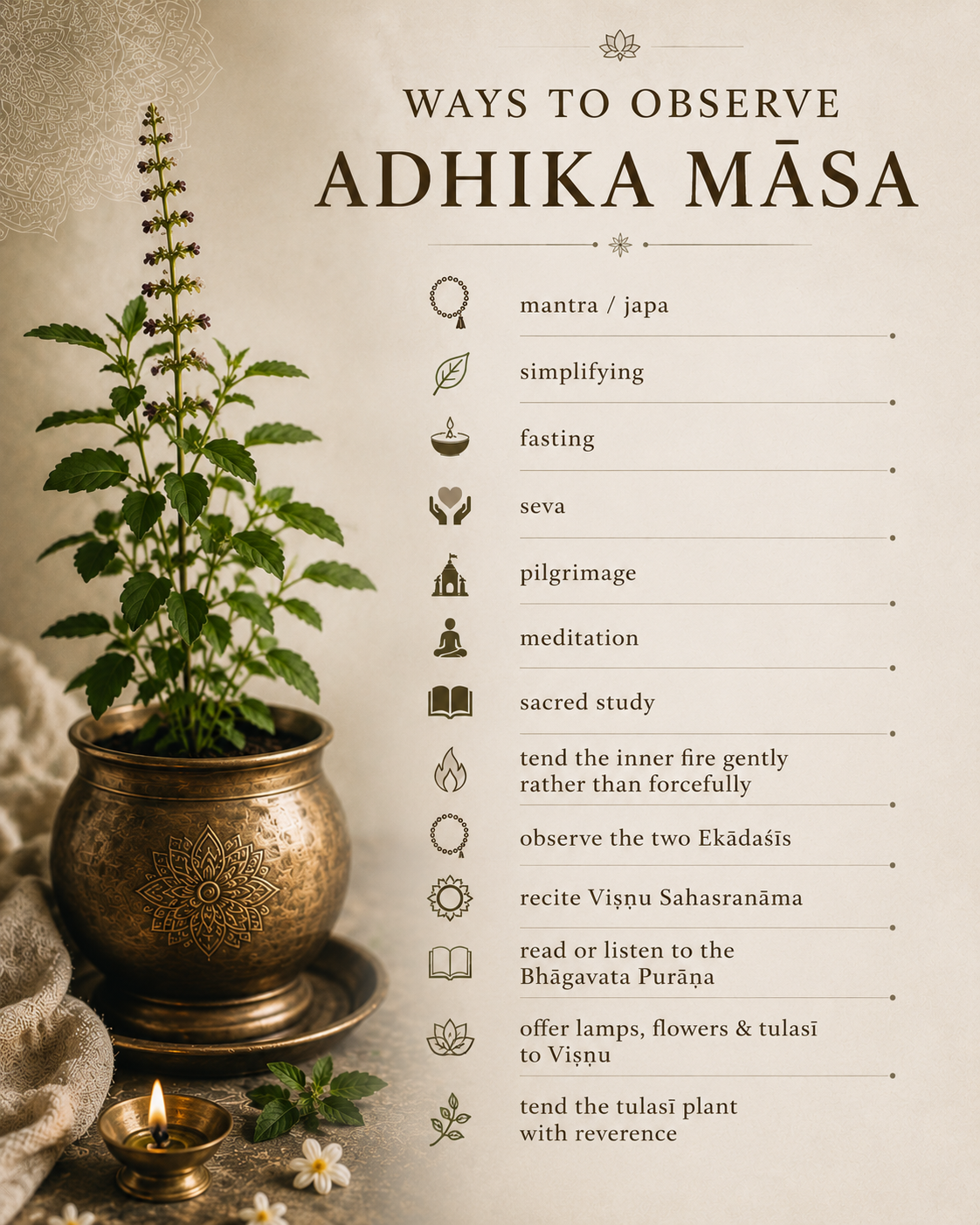
A month traditionally devoted to simplification, prayer, pilgrimage, mantra, sacred study, nourishing the body, and returning awareness toward what is essential.

The tradition offers specific practices for this sacred interval — not as obligation, but as invitation. Devotionally, this is a month to recite the Viṣṇu Sahasranāma, to offer lamps, flowers, and tulasī to Viṣṇu daily, to tend the tulasī plant with reverence, and to read or listen to the Bhāgavata Purāṇa. The month carries two Ekādaśīs — both potent for fasting, inward turning, and deepening one’s relationship with the divine.

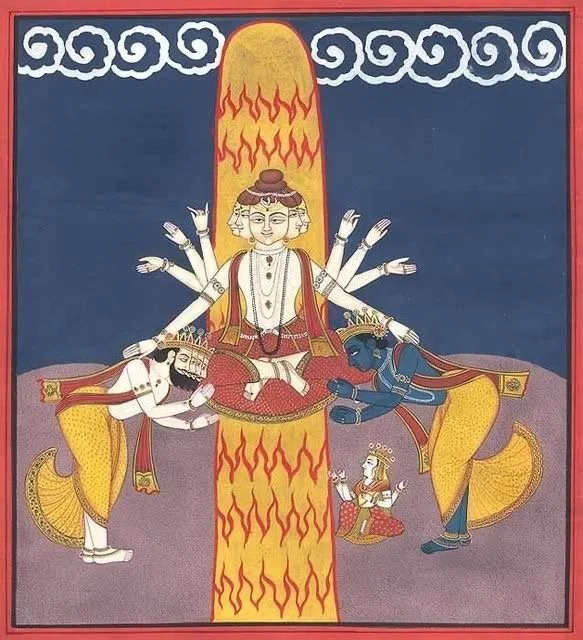
Artwork: Pinterest

For practice, Puruṣottama Māsa is considered especially auspicious for beginning or deepening a sādhana — whatever discipline you have been waiting to establish, this month holds unusual potency for it. Japa is particularly supported, especially Viṣṇu mantras such as Om Namo Bhagavate Vāsudevāya. 

Prāṇāyāma, Yoga Śāstra study, and any sincere inward discipline find fertile ground here.

In the realm of lifestyle, the tradition invites simplification — of diet, reducing tamasic foods and unnecessary consumption, quieting excess speech, withdrawing from the constant current of screens and stimulation. Charitable giving is considered especially meritorious this month, the merit of any offering said to be multiplied. To give, to fast, to study, to pray — these are not austerities here but acts of alignment.

This year, Adhika-māsa begins under the New Moon in Kṛttikā Nakṣatra (Taurus)—the birth star of the Moon and lunar mansion governed by Agni, the sacred fire.

Kṛttikā carries the power to purify, refine, and illuminate through discernment—burning away excess to reveal what is essential.

A potent threshold for recalibration, nourishment, and refining what we are taking in physically, mentally, emotionally, and spiritually.

And so this Adhika Māsa holds a particular potency — Agni’s discerning fire meeting Viṣṇu’s boundless compassion. What the fire refines, devotion receives. What is burned away reveals not absence, but belonging. Like the month itself, what has felt cast aside or incomplete may find, in this sacred interval, its truest name.

A beautiful time to replenish prāṇa, refine one’s sādhana, and listen more deeply.

ॐ नमो भगवते वासुदेवाय ॥

Mercury Retrograde in Pūrvabhādrapadā: The Scorching Star

MERCURY RETROGRADE

02.26-03.21

Budha Graha (Mercury) stations retrograde on February 26th in the Vedic lunar mansion of Pūrvabhādrapadā पूर्वभाद्रपदा (Aquarius), the Scorching Star — punctuating a passage of deep reflection, reimagination, and renewal.

As the one who bestows discernment, Budha retrograde invites you to return to the center of your wheel, and as he retraces his steps through Pūrvabhādrapadā, what has already been set into motion gathers weight, asking to be met with greater clarity and consequence.

Pūrva Bhādrapadā is symbolized by metamorphosis, rebirth, tapas (penance), perseverance, and undifferentiated spiritual fire — the kind that has the capacity to raise our consciousness. As one of the birth stars of Mercury, it represents the churning of the chaos and turmoil of fragmentation that births the wisdom of neutrality.

The Burning Pair’s deity (Aja Ekapāda) stands on one leg and has two heads — split yet able to see in both directions — bridging heaven and earth through elevation and sacrifice.

Holding Yajamāna Udyamana Śakti — the power of elevation through sacrifice — Pūrvabhādrapadā initiates an alchemical refinement of raw potential. Through discipline and renunciation, this energy is transformed into awakened wisdom. 

This nakṣatra does not merely demand confrontation with duality; it invites us into a dance of integration, where material ambition and spiritual transcendence find their rightful place.

How we manage vast reservoirs of life force energy becomes the defining arc of this cycle, shaping our capacity to channel intensity into focused intention. Yet the cultivation of inner contentment amidst this dynamic flux is equally vital. 

Symbolized by a funeral pyre, we stand at the precipice of transformation, where the purifying fire of Rūdra dissolves illusion.

Coinciding with the Lunar Eclipse in Leo and accompanied by four other grahas, this passage through Pūrvabhādrapadā heightens its fire, bringing identity, authorship, and intention into sharper focus. What has been extreme seeks tempering. What has been scattered seeks coherence. What has been initiated now demands conscious integration.

It is a period of intellectual purification, where communication is tested and refined — not for speed, but for depth. Unresolved matters from the past — especially those placed on the back burner — may resurface, seeking resolution through contemplation rather than reaction. Through introspection and surrender, the trials of this transit lead not to confusion, but to spiritual illumination and ultimate liberation.

Mercury steps back into Śatabhiṣak on march 10th and stations direct there on March 21st, consolidating what has been clarified in flame and stabilizing the insight that emerged during the eclipse portal, guiding it into a landing space of integration, completion, and practical alignment.

With this stabilization, the energy ignited during this cycle officially sets the year of the Fire Horse ablaze, propelling what has been revealed into motion.

We are stepping powerfully into a new timeline. Some karmas are requesting completion, release, and unraveling. Return to the center of your wheel and step into greater balance and neutrality.

All My Relations

 ॐ ब्रां ब्रीं ब्रौं सः बुधाय नमः

Slow things down and they become more beautiful - David Lynch