Pitṛ Pakṣa: Fortnight of the Ancestors

PITṚ PAKṢA

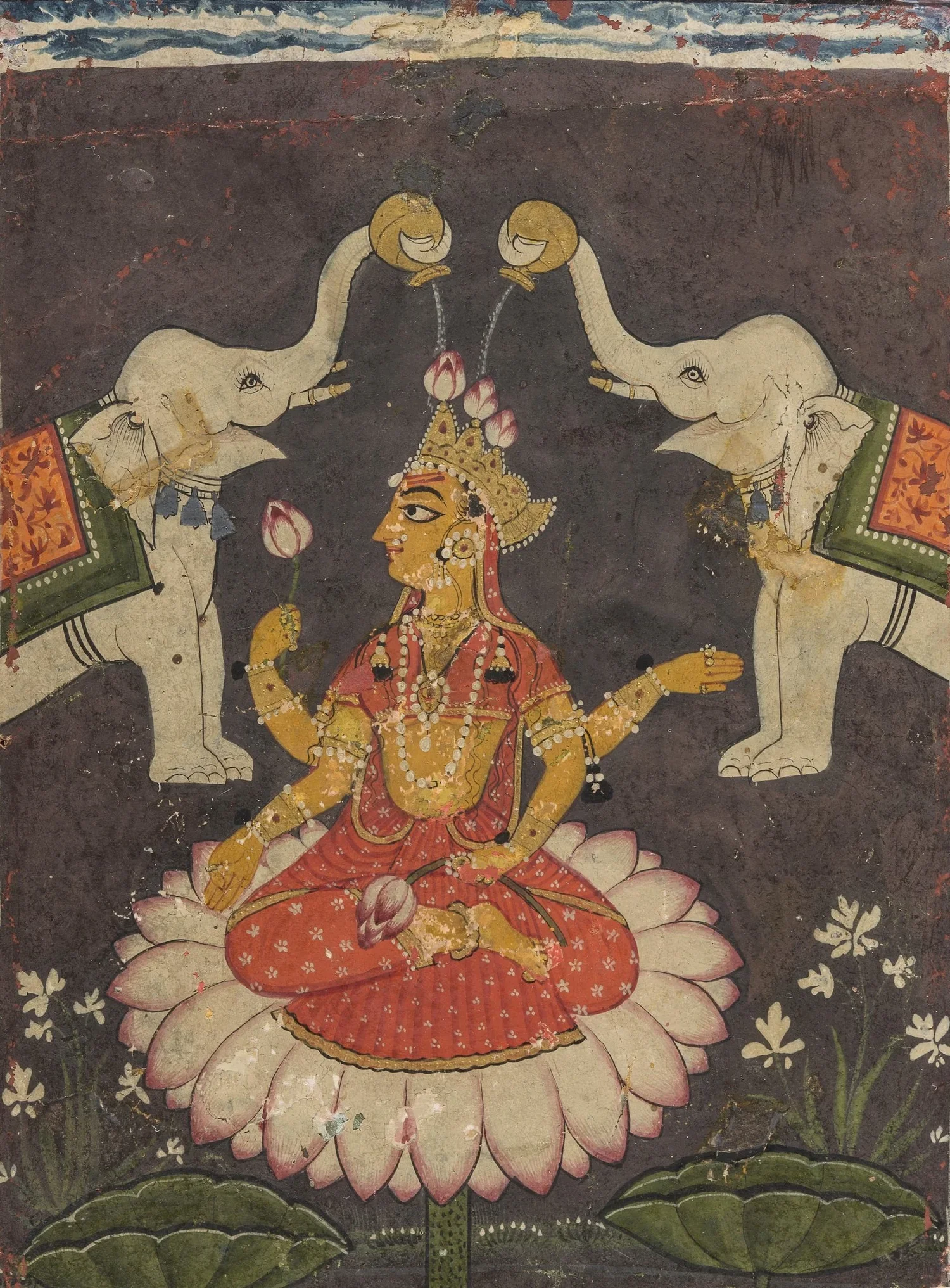
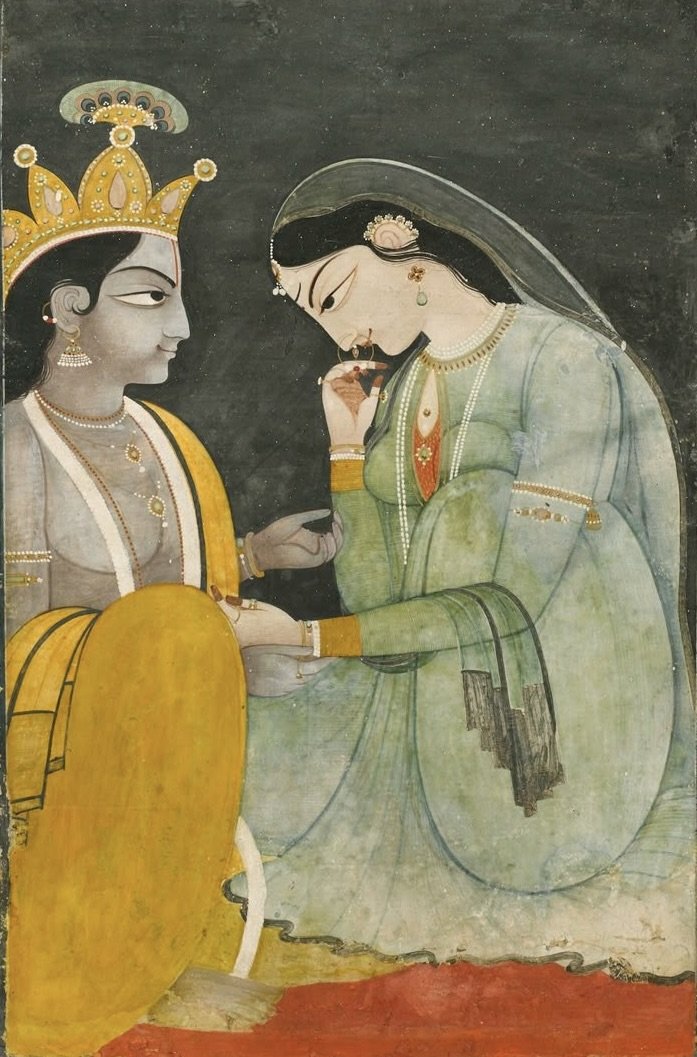
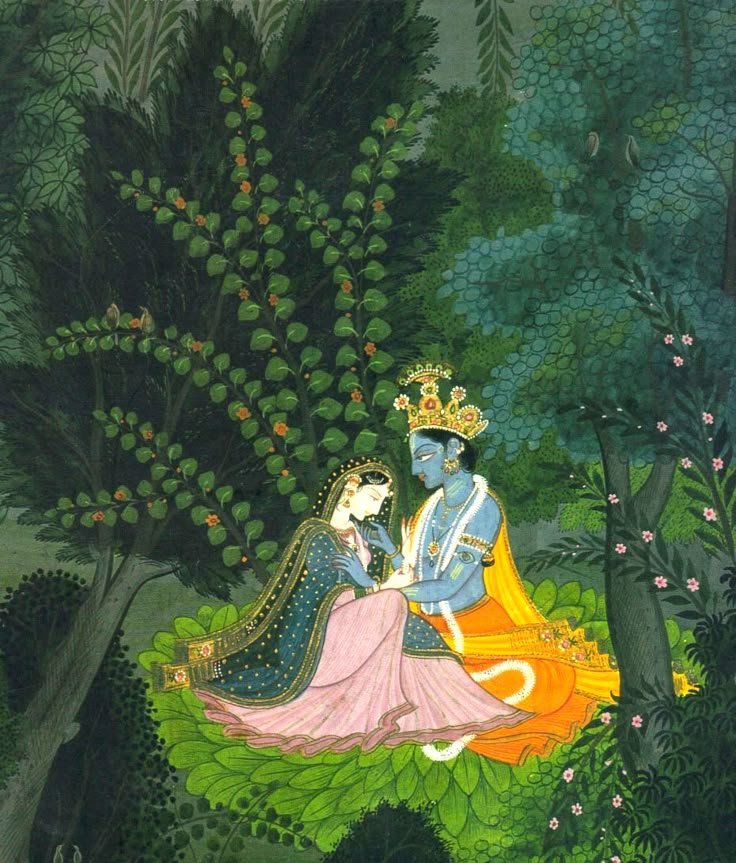
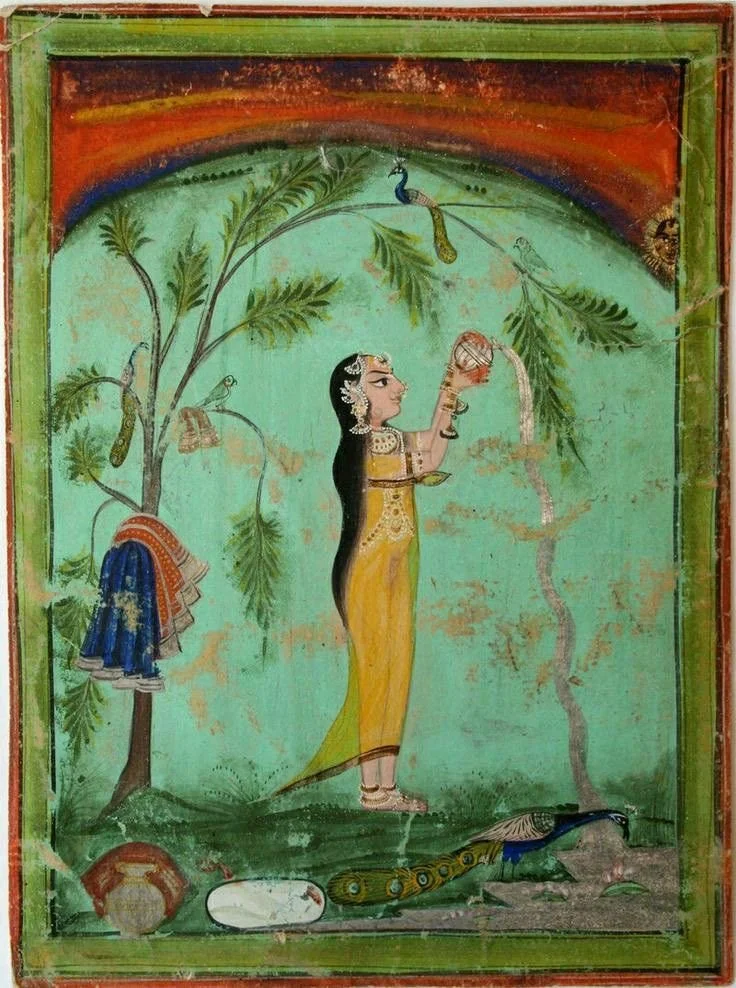
Kangra School, c. 1780

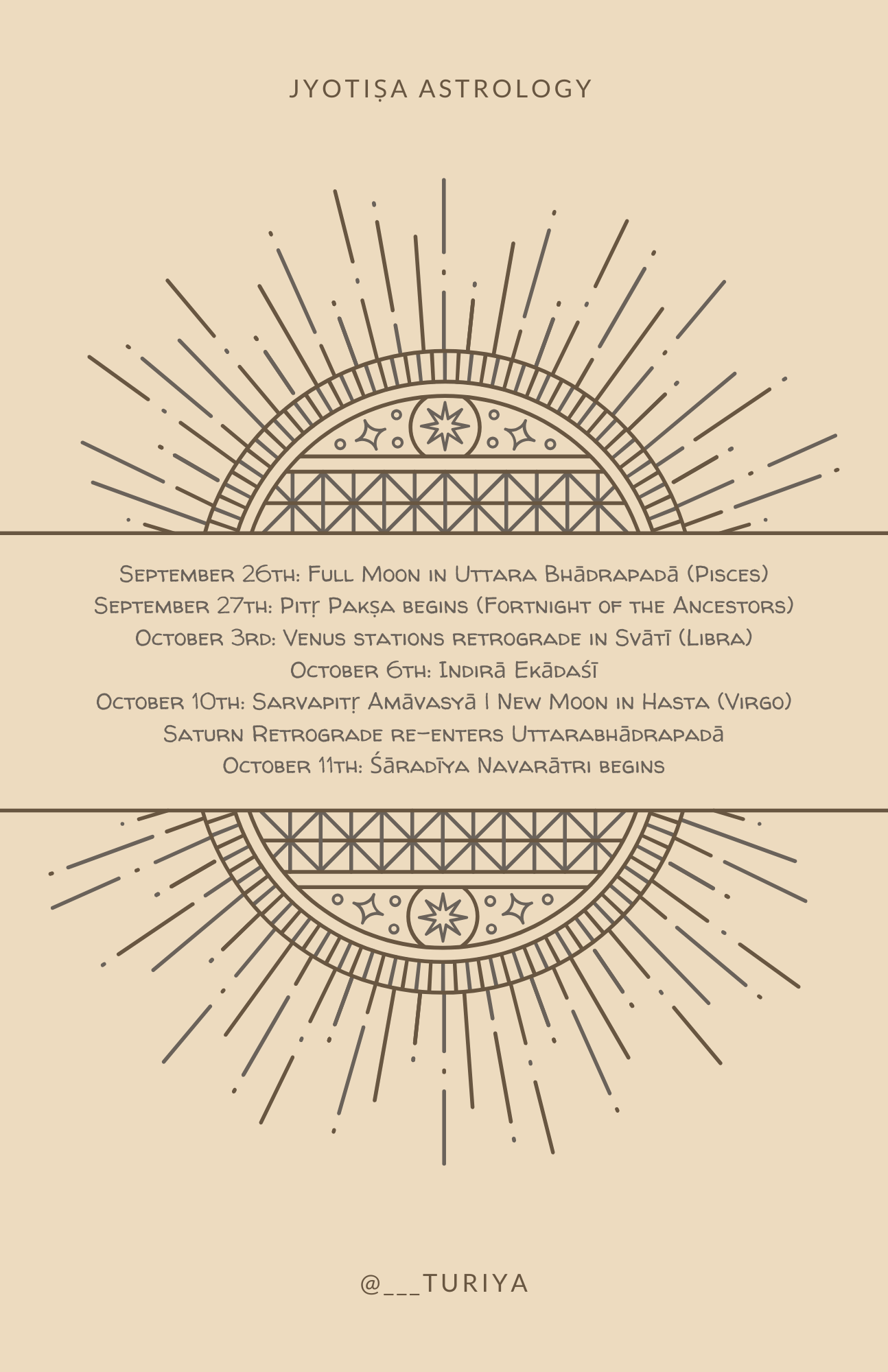
9.26–10.10

Falling during Kṛṣṇa pakṣa (the second fortnight) of Bhadrapadā (Sept), Pitṛ Pakṣa पितृ पक्ष is a sacred sixteen-day period dedicated to honoring our ancestors, beginning on Pratipadā (first day) and culminating with the New Moon (Mahālaya Amāvasyā).

This is a profound time to reflect on our interconnection with all things — to shine light on inherited habits and the legacy we leave through our thoughts, words, and deeds, conscious and unconscious.

Intergenerational healing calls us now, inviting deeper inquiry into ancestral wounds, patterns, and genetic coding. We are asked to take responsibility for cycles that have persisted through our lineage and break those that no longer serve us or our descendants.

It is believed that when we honor and remember our ancestors during this sacred window, they bless us. This is a time to clear ancestral debts and unresolved karmas, paving the way for longevity, abundance, wisdom, and protection.

In Jyotiṣa, Maghā Nakṣatra is presided over by the Pitṛs (Devatā), the ancestral beings who carry the memory and continuity of lineage. The Pitṛs are also the Adhi Devatā of Rāhu, revealing the ancestral current as a profound thread through which we enter into relationship with the manifest world.

Over the next two weeks, nourish your ancestors as the veil between realms is thin, and their blessings are near. The New Moon on 10/10 is the most potent day for ancestral reverence. Spend time attuning inward, reflecting on the legacy inherited from those before you.

Traditionally, this period is reserved for spiritual practice and honoring ancestors, not for new ventures. It is a time for reflection, gratitude, and seeking guidance. Ketu, the south node, is linked to our ancestral lineages, and invoking Gaṇeśa's blessings can be a powerful remedy. Gaṇeśa harmonizes Ketu's influence, guiding us through karmic transitions with grace.

Some may feel called to create an ancestral altar or offer Tarpaṇa (ritual feeding of ancestors), especially on Mahālaya Amāvasyā. Cultivate inner peace and respect, avoiding conflict, as you connect with the wisdom of your roots.

According to legend, Karṇa of the Mahābhārata ascended to the heavens but was offered gold instead of food. He learned that although he had given wealth in life, he hadn't fed his ancestors. To make amends, Karṇa returned to earth for a sixteen-day period to offer Tarpaṇa, ensuring their nourishment and blessings.

All My Relations, Tulsi

ॐ पितृभ्यः स्वधायिभ्यः स्वधा नमः
Oṁ pitṛbhyaḥ svadhāyibhyaḥ svadhā namaḥ
Full Moon in Uttara Bhādrapadā: The Warrior Star

Full Moon in Uttara Bhādrapadā

09.26

The full moon of September occurs in Uttara Bhādrapadā उत्तरभद्रपदा (sidereal Pisces), the Vedic lunar mansion known as the Warrior Star.

Uttara Bhādrapadā, marking the zenith of Saturnine energy, is illumined by two bright stars, one in Pegasus and the other in Andromeda, seen by the ancient Ṛṣis as the back legs of a funeral cot. Together with two stars of Pūrva Bhādrapadā, they form the rectangular bed known as the Square of Pegasus.

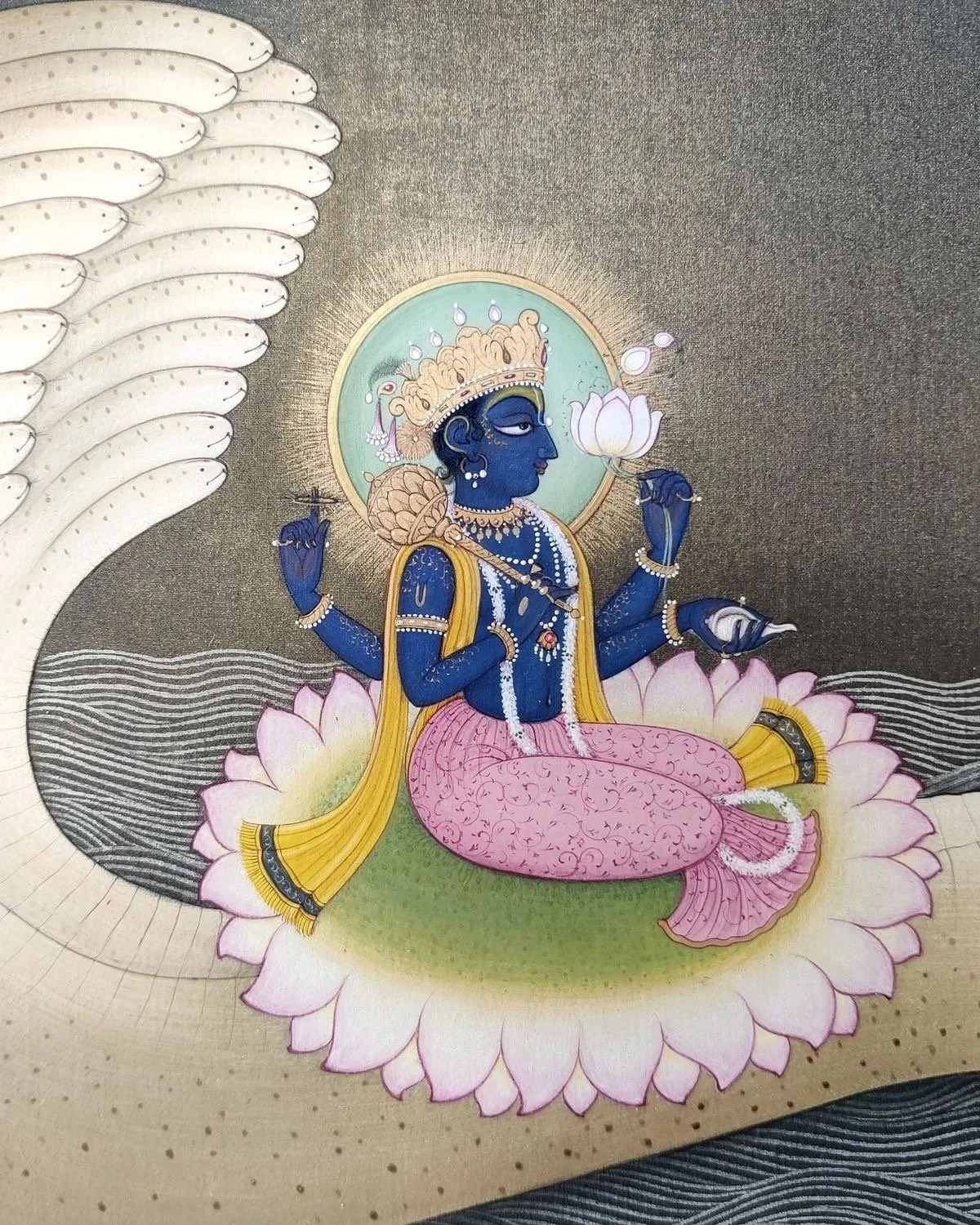
This powerful asterism resides at the heart of the last water sign, in the last mokṣa bhāva (house of liberation), ruled by ākāśa tattva (ether element) and Ahirbudhnya (Serpent of the Deep).

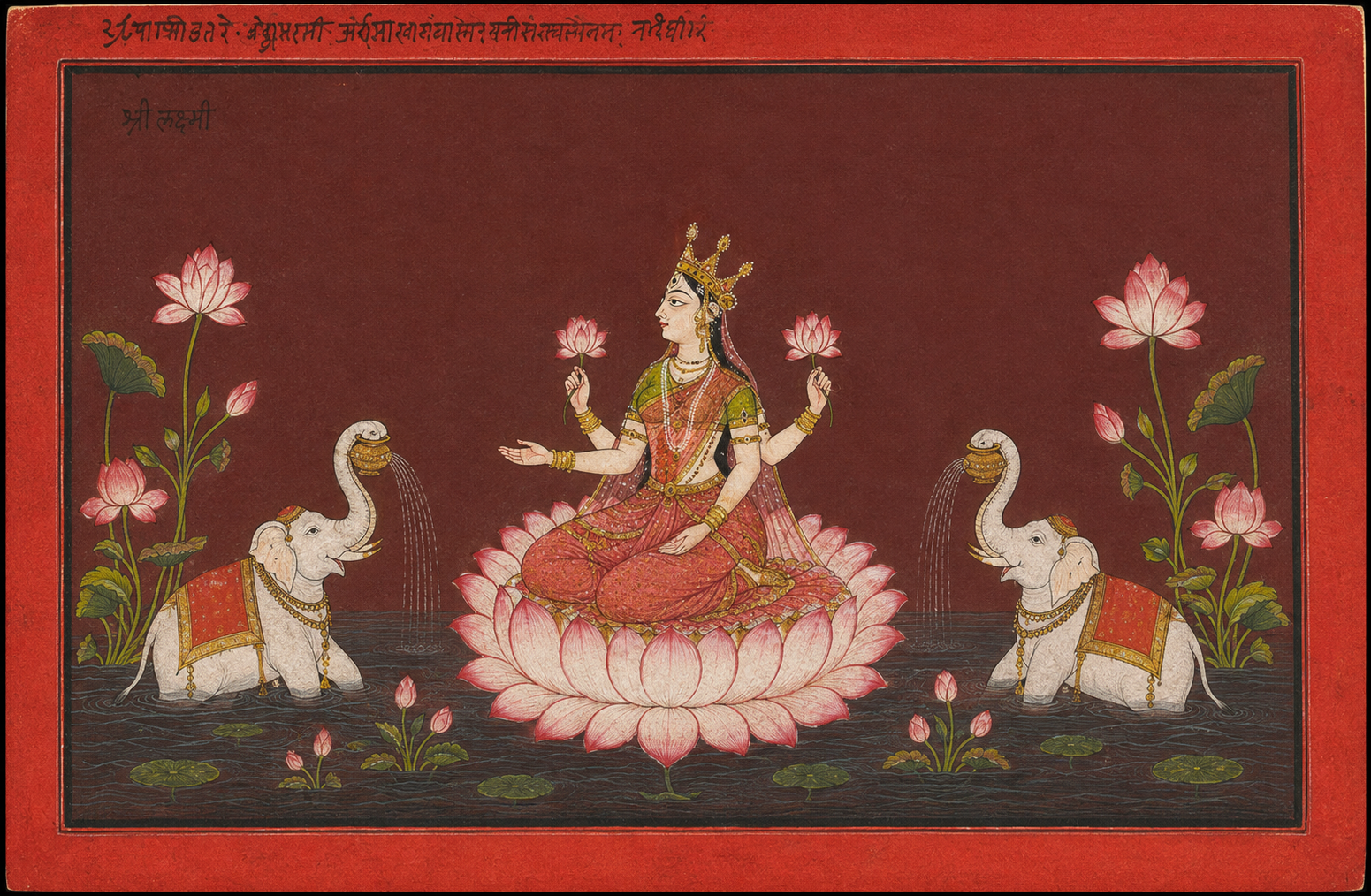
As the seat of Mahā Lakṣmī, this nakṣatra is deeply connected to the fertility of both earth and sky, excavating the unconscious, harmonizing the universal mind, and gaining wisdom through experience, humility, and self-sacrifice.

Its Varṣodyamana Śakti, the energy to bring rain and grow what has been planted, speaks to a deeper desire to establish a stable and enduring foundation with this lunation cycle.

There is a profound connection here to Sudarśana Cakra. Within the Ahirbudhnya Saṃhitā, Sudarśana is revealed far beyond the weapon of Viṣṇu, as the living force of divine intelligence that cuts through obscuration and restores sacred order. Sudarśana is right seeing: the clarity that arises when what distorts our perception has been severed. Its teaching belongs to the depths, where true vision is not found by looking outward, but through the transformation of consciousness itself.

Counted among the eleven Rudras, forms of Śiva, Ahirbudhnya is linked to fertility, Kuṇḍalinī energy, and the subconscious forces of Nature. His energy is both creative and destructive, reflecting the profound alchemy of transformation and spiritual awakening that unfolds in the hidden depths.

Beneath this lunation, a quieter movement may also be sensed within the collective field of consciousness. Uttara Bhādrapadā, associated with twin foundations, gestures toward the reconciliation of polarity, the subtle healing of the ancient myth of separation between masculine and feminine principles.

Here the work is subtle yet immense. Uttara Bhādrapadā invites us to descend beneath the surface of the linear mind and listen to the deeper currents of consciousness. In these waters, insight matures slowly; the unconscious is stirred and illuminated, and what was once fragmented begins to harmonize within the greater field of universal (one) mind.

After the igniting threshold of tapasya, the Full Moon in Uttara Bhādrapadā brings the quiet work of stabilization, where what was planted beneath the Pūrva Phālgunī New Moon settles into deeper waters, maturing into something enduring.

“You cannot cross the sea merely by standing and staring at the water.” — Rabindranath Tagore

All my Relations,
Tulsi

ॐ अहिर्बुध्न्याय नमः
Oṃ Ahirbudhnyāya Namaḥ


Gaṇeśa Caturthī

GAṆEŚA CATURTHĪ

September 14

Commencing on the fourth day (caturthī) of the bright fortnight (śukla pakṣa) in the month of Bhādrapadā (Aug–Sept), Gaṇeśa Caturthī is observed for ten days, culminating on Ananta Caturdaśī (14th day).

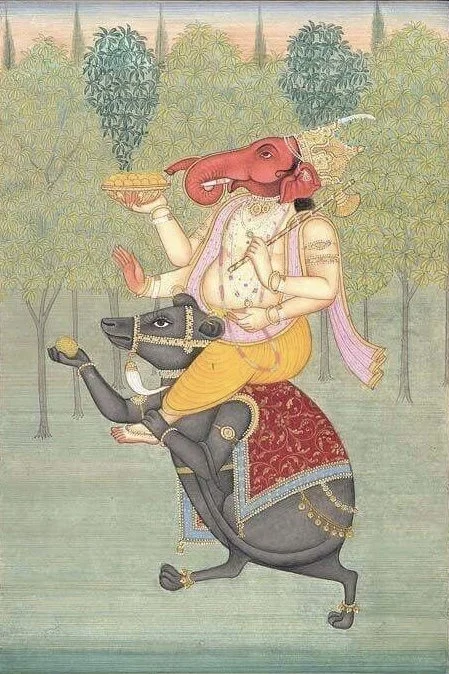
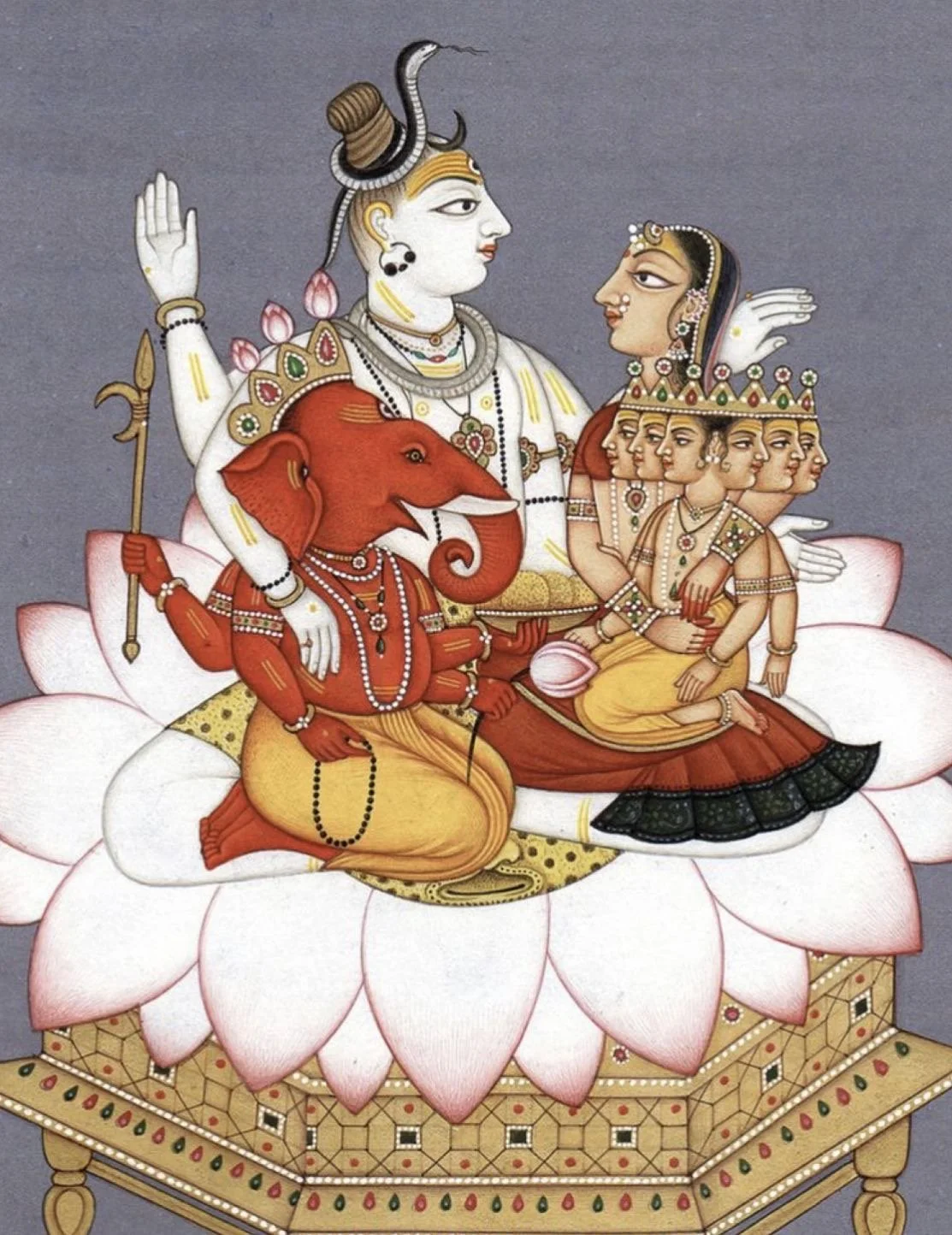
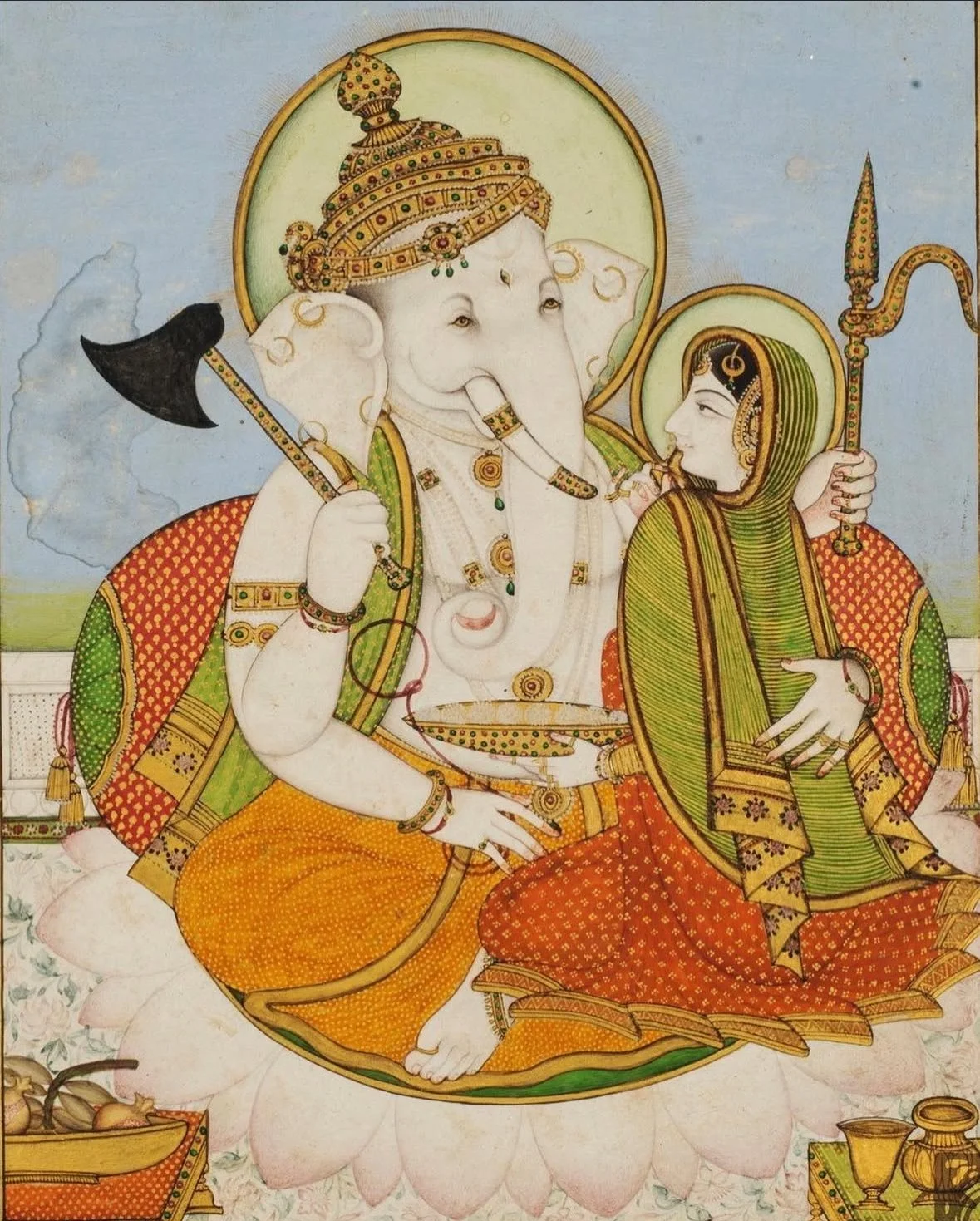
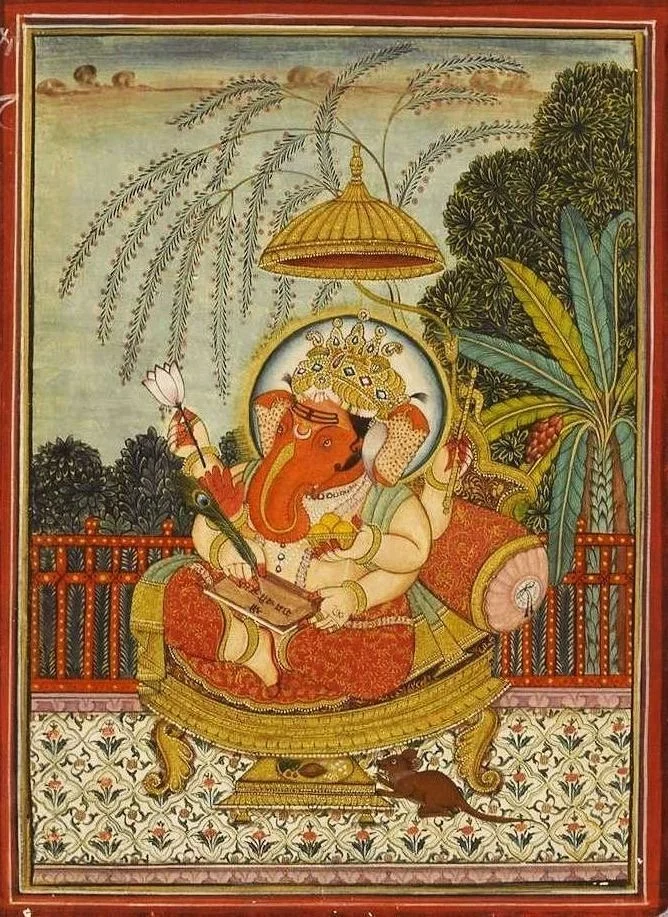
Salutations to Śrī Gaṇeśa who has a curved trunk, who has a large body and whose splendor is similar to that of a million suns; who is the son of Śiva and Pārvatī, the remover of obstacles and the writer of the story.

Gaṇeśa, revered as the deity who governs the threshold of new beginnings, wisdom, and intelligence, represented by the brain stem in our physiology, the lord of Jyotiṣa Vidyā (Vedic astrology) and the one who is associated with Ketu and Mercury.

Among the implements he bears are the pāśa (noose) and paraśu (axe), symbolizing the binding forces of attachment and the power to sever them. He rules over the planetary vibrations that guide us through transitions—encouraging us to see obstacles not as hindrances, but as divine redirections towards our true nature. 

Vyāsa invoked Gaṇeśa to serve as the divine scribe of the Mahābhārata—some traditions even say he fashioned him into being through tapas for this immortal task. Gaṇeśa agreed on the condition that Vyāsa dictate without pause, and Vyāsa, with equal cleverness, required that Gaṇeśa only write once he fully understood each verse.

On Gaṇeśa Caturthī, it is said one should avoid looking at the moon (Candra Darśana) as it can bring false accusations or misunderstandings—stemming from the Purāṇic tale where Candra mocked Gaṇeśa, leading to a curse that whoever sees him on this night may suffer slander. Instead, devotion is directed wholly to Gaṇeśa, the remover of obstacles.

On this sacred day, devotees immerse themselves in fasting, chanting Vedic hymns and Hindu texts, offering sweets such as modaka —believed to be the favorite of Lord Gaṇeśa—as prasāda. The festival culminates on the tenth day with visarjana, when the Mūrti (depiction of a deity) is carried in a grand procession, accompanied by music and chanting, and immersed in a nearby body of water, symbolizing the cycle of creation and dissolution.

O Deva, lord of new beginnings, please make my undertakings free of obstacles, by extending your blessings in all my works, always and may I remember to trust that when you place obstacles in my way, that you’re gently guiding me back to my most aligned path.

ॐ श्री गणेशाय नमः