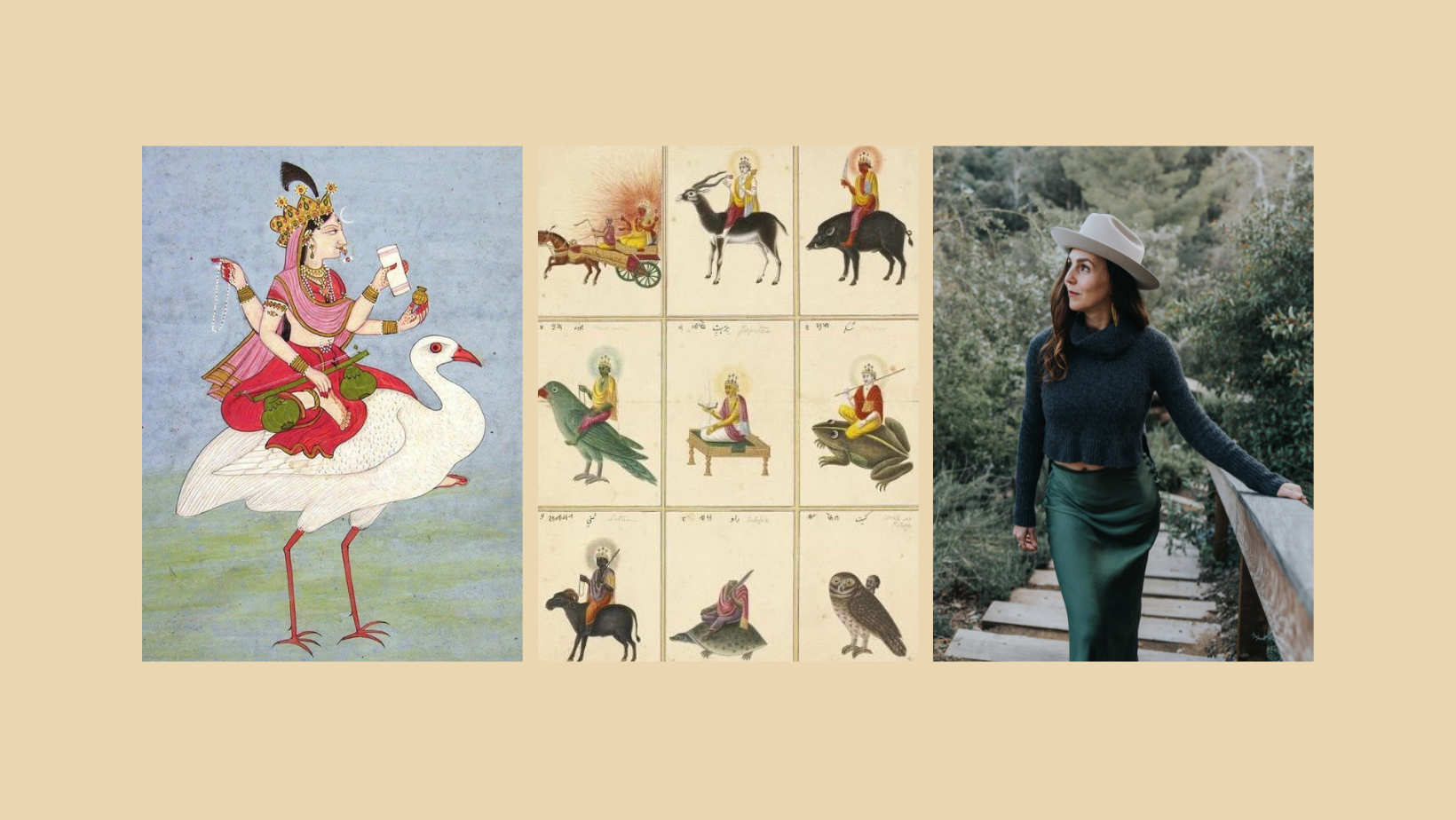
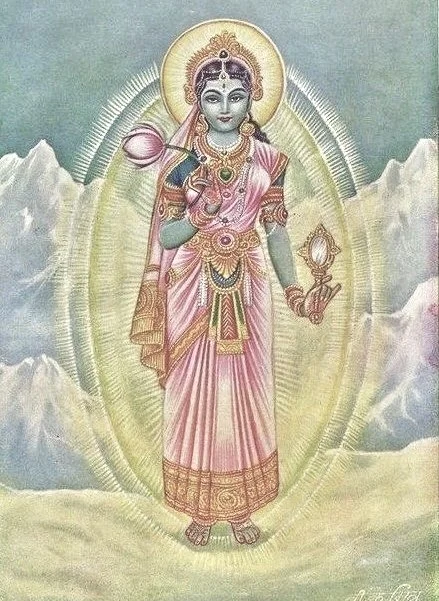
Pārvatī Jayantī

PĀRVATĪ JAYANTĪ

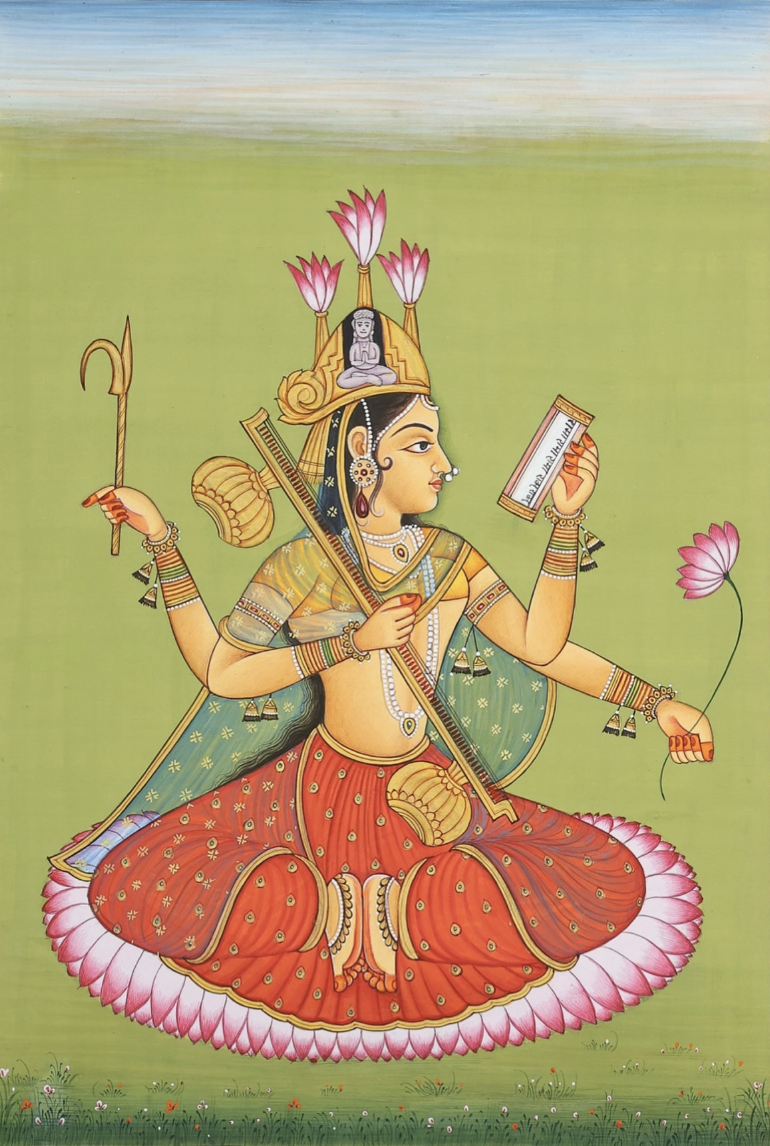
Artwork: Pinterest

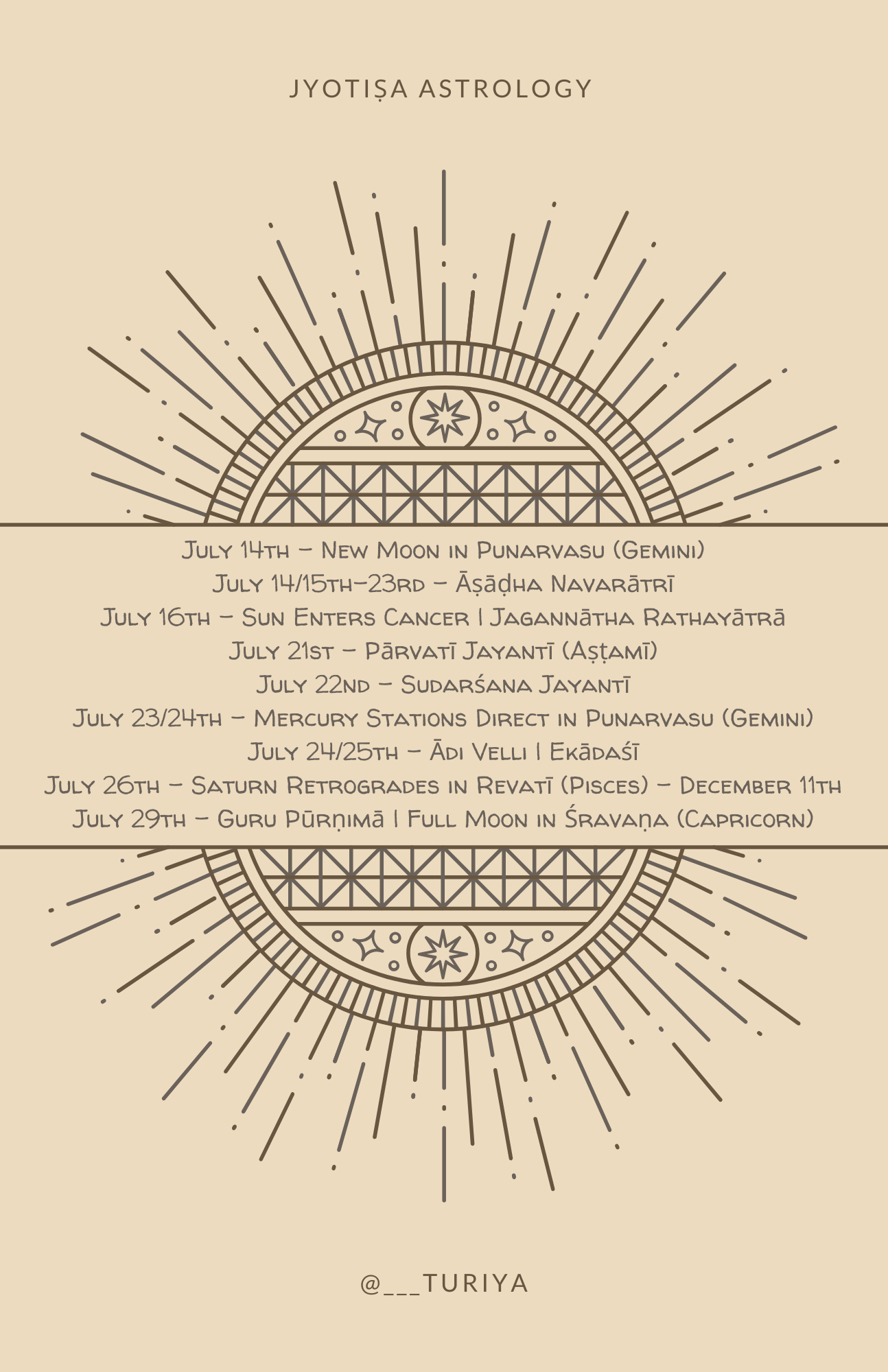
07.21.2026

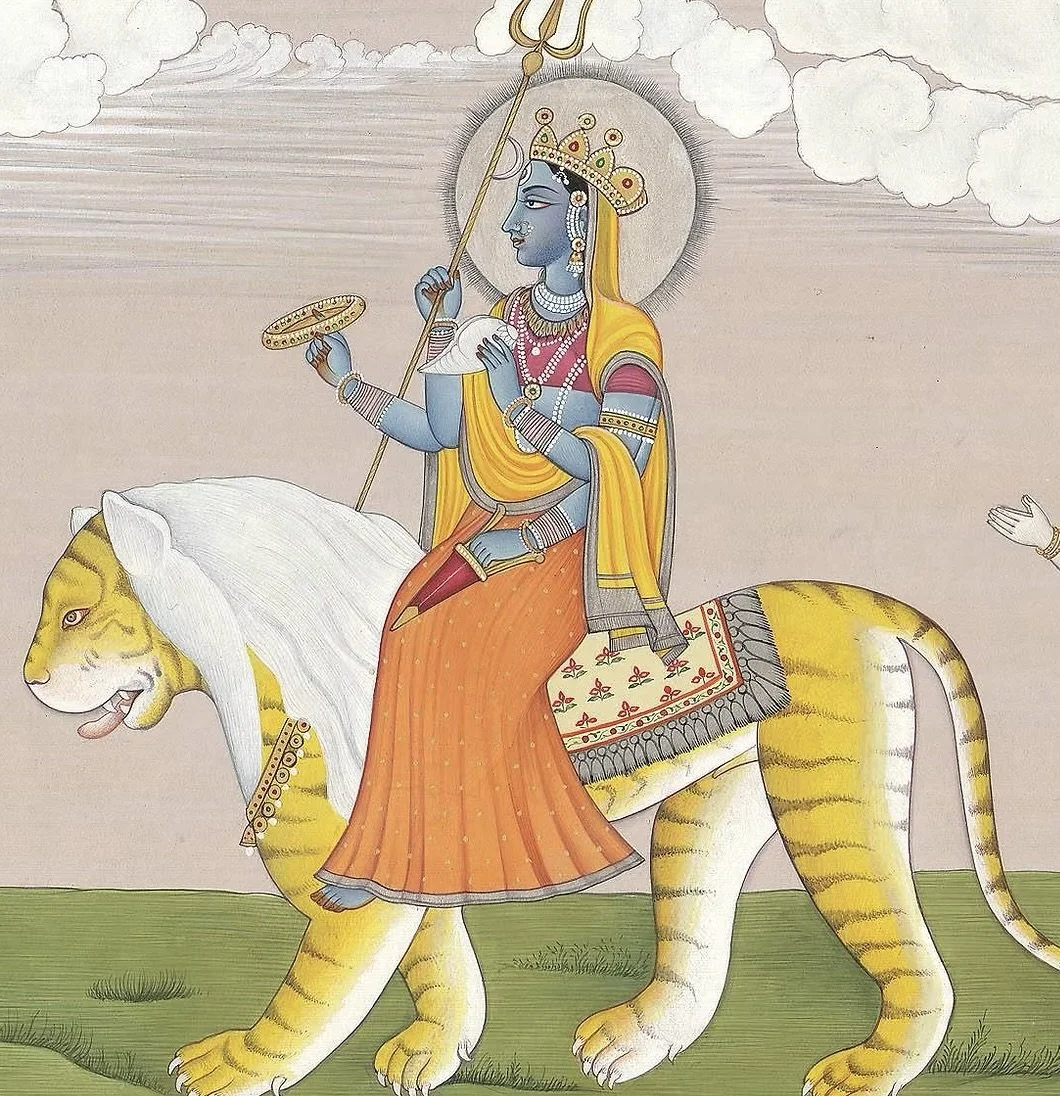
Observed on the Śukla Pakṣa Aṣṭamī (the eighth lunar day of the waxing moon) in the month of Āṣāḍha, Pārvatī Jayantī commemorates the divine appearance of Goddess Pārvatī, the daughter of Himavān and Menā.

Derived from the Sanskrit parvata (पर्वत), meaning “mountain,” Pārvatī means “Daughter of the Mountain,” a name that reflects the steadfastness, quiet strength, and unwavering devotion that define her path.
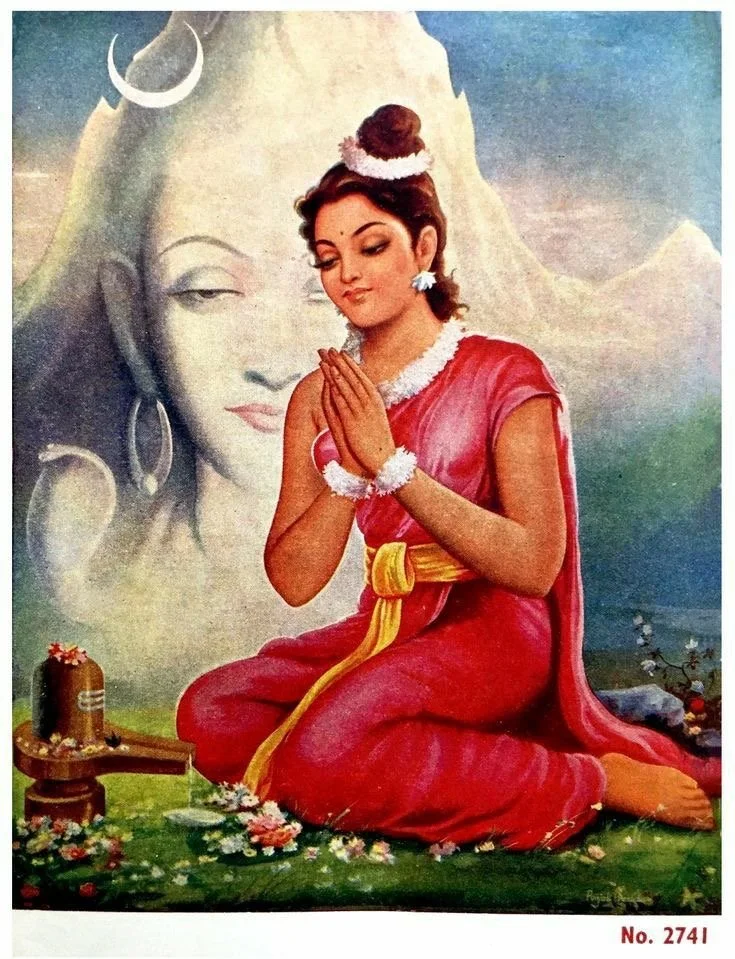
Artwork: Pinterest

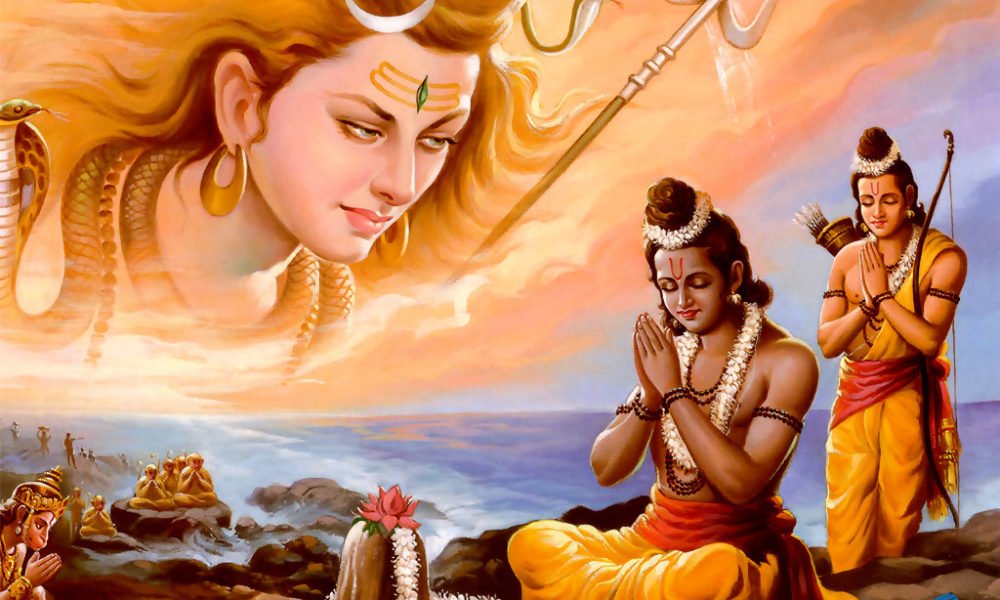
The rebirth of Satī and an incarnation of Ādi Śakti, the primordial creative power of the universe, she returned to restore the eternal union of Śiva and Śakti. Through profound tapas, she attained union with Lord Śiva, Ādi Yogi.

Their sacred union reveals one of the central teachings of the Vedic tradition: the inseparable wholeness of Śiva as Puruṣa, pure consciousness, and Pārvatī as Prakṛti, the dynamic creative energy.
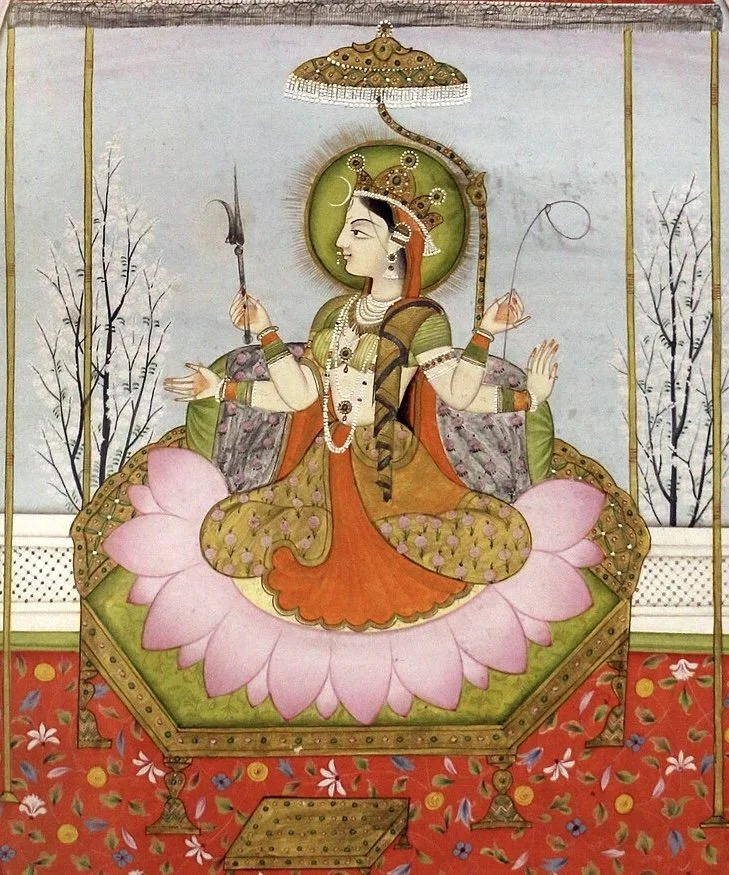
Artwork: Pinterest

As the Divine Mother, she is revered as Jagadambā, the Mother of the Universe; in tantric lineages she is also honored as one of the Dvādaśa Siddhividyā Goddesses, and as the loving mother of Śrī Gaṇeśa, remover of obstacles, and Śrī Kārttikeya, commander of the celestial hosts.

Lord Śiva entrusted Pārvatī with the highest teachings of Yoga and the hidden wisdom of Guhya Vidyā, receiving her as his foremost śiṣyā. Through their timeless dialogue, she stands not only as his beloved consort, but as an illumined disciple, teacher, and guide, preserving the eternal wisdom that continues to lead sincere seekers toward Self‑realization.

ॐ पार्वत्यै नमः
Om Pārvatyai Namaḥ
Āṣāḍha (Gupta) Navarātrī: 9 Nights of the Divine Mother

ĀṢĀḌHA GUPTA NAVARĀTRĪ

JULY 14/15–22/23

Observed during the month of Ashadha (June/July), this auspicious nine-night festival honors the Divine Mother in her many forms, especially Mā Durgā. It begins on the Pratipadā tithi (1st lunar day) and continues through the Navamī tithi (9th lunar day) of the Śukla Pakṣa (waxing moon), coinciding with the onset of the monsoon season.

It is one of the two lesser-known Navarātris observed each year and is considered a more secretive, inward-facing period of worship. “Gupta” means hidden or secret, reflecting its esoteric character.

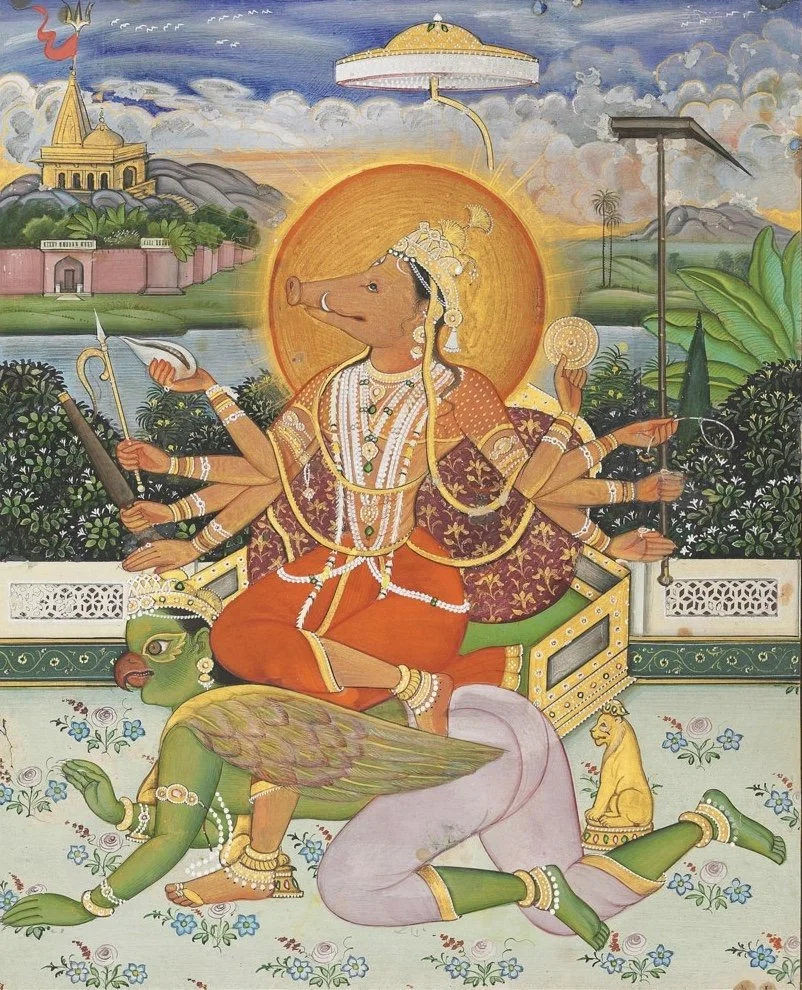
This observance is especially associated with Goddess Vārāhī, one of the Saptamātṛkās (Seven Mother Goddesses) and a fierce form of the Divine Mother. In Śrī Vidyā traditions, Vārāhī is revered as Daṇḍanāthā, the commander and protector of Śrī Lalitā Tripurasundarī army, and in some traditions she is said to embody the force of Yama Deva. 

Often depicted as a blue-hued, eight-armed, boar-faced sovereign goddess holding a staff, she is honored as a goddess of protection, wisdom, and the destruction of ignorance. Just as the boar delves beneath the surface to unearth what lies buried, Vārāhī unveils what has remained concealed, uprooting avidyā.

Many devotees fast during the day, chant mantras to Goddess Durgā, recite the Devī Māhātmyam (Durgā Saptashatī), and perform Daśa Mahāvidyā sādhanas.

ॐ श्री वाराही देव्यै नमः

Tradtionally this festival is observed when Pratipadā tithi (S1) is present at Sunrise in your location. July 14th US | July 15th India

New Moon in Punarvasu: The Star of Renewal

NEW MOON IN PUNARVASU

July 14th

The New Moon of July aligns both the sun and moon in the Vedic lunar mansion of Punarvasu पुनर्वसु (Gemini), the Star of Renewal.

There is a particular density to this lunation, a sense of something returning rather than advancing. Mercury has been moving through this same terrain for weeks now, and the New Moon arrives with the same inward motivation. This is not movement for its own sake, but a careful reorientation, a course correction that seeks to settle what has been unsettled and begins a restoration from within.

What surfaces here is deeper than a simple reset. It is a quiet renegotiation of what is foundational, as though something essential is being restored to its rightful place. Nothing here is merely refreshed; it is rebuilt, and asks to be met with attentiveness and discernment.

In the night sky, Punarvasu is anchored by Castor and Pollux, poised in the constellation of Mithuna just above Orion. The ancient Ṛṣis witnessed this asterism as a quiver of arrows, drawn taut and held in readiness. It is an image not of repose, but of gathered potential — energy contained before its release — and it sets the tone for all that Punarvasu embodies.

Symbolized by a quiver of arrows, Punarvasu carries the śakti of Vasutva Prāpaṇa, the power to regain, restore, and recover what has been lost. Governed by Jupiter and presided over by Aditi, the boundless mother of the Ādityas, it represents the replenishment of life force after expenditure, the rebuilding that follows disruption, and the return of light after a storm.

Mercury, interwoven with this lunation cycle, asks the question: Who am I? Through inquiry, discernment, and interpretation, Budha separates the essential from the incidental, neutralizing what no longer serves and restoring equilibrium. 

We are being drawn inward through svādhyāya (true self reflection), back to the center of our wheel. Certain karmas are coming to completion. Certain stories are ready to be rewritten. Certain patterns have reached their natural end. Mercury’s retrograde passage asks for patience before any final conclusion is drawn.

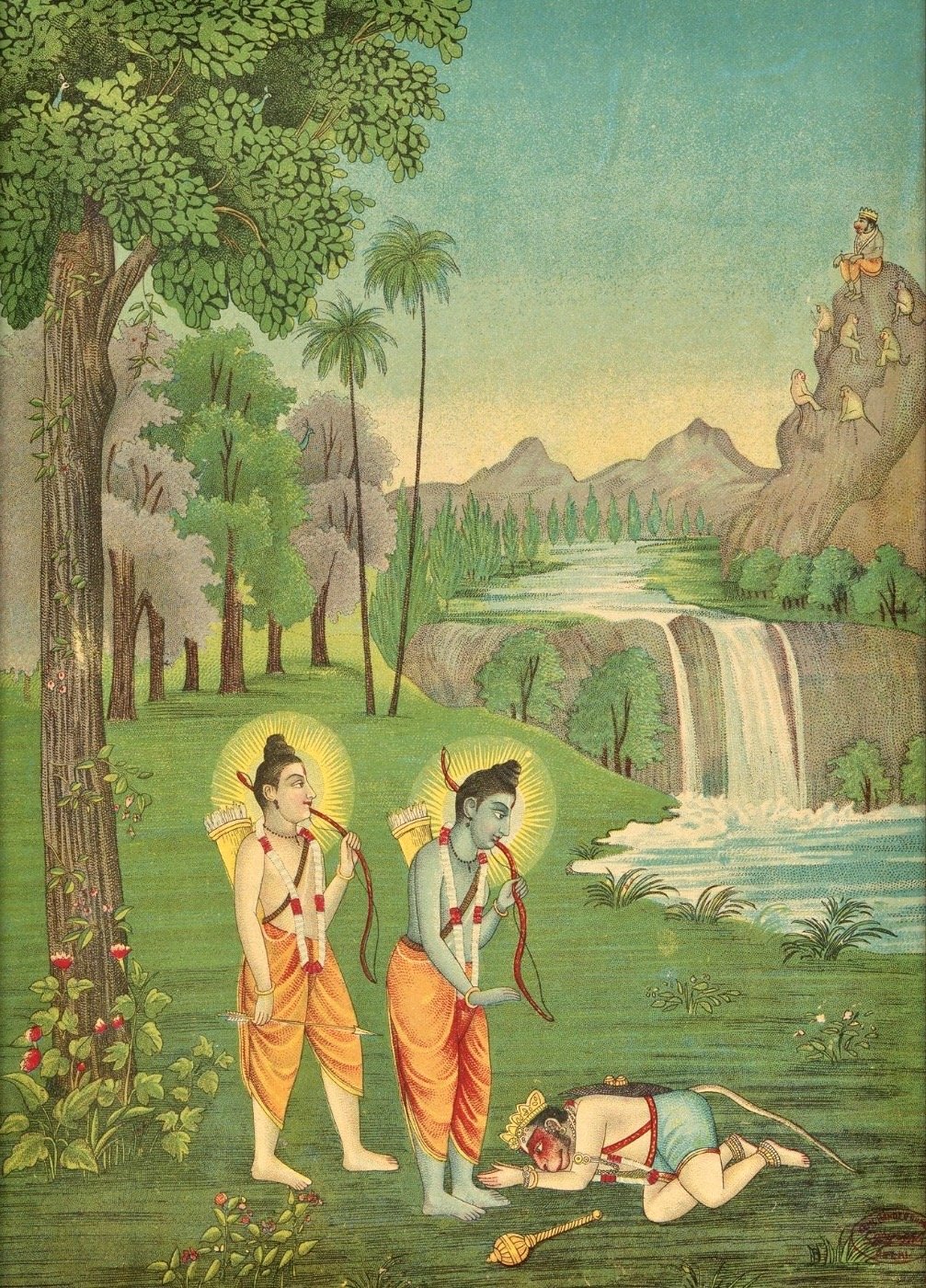
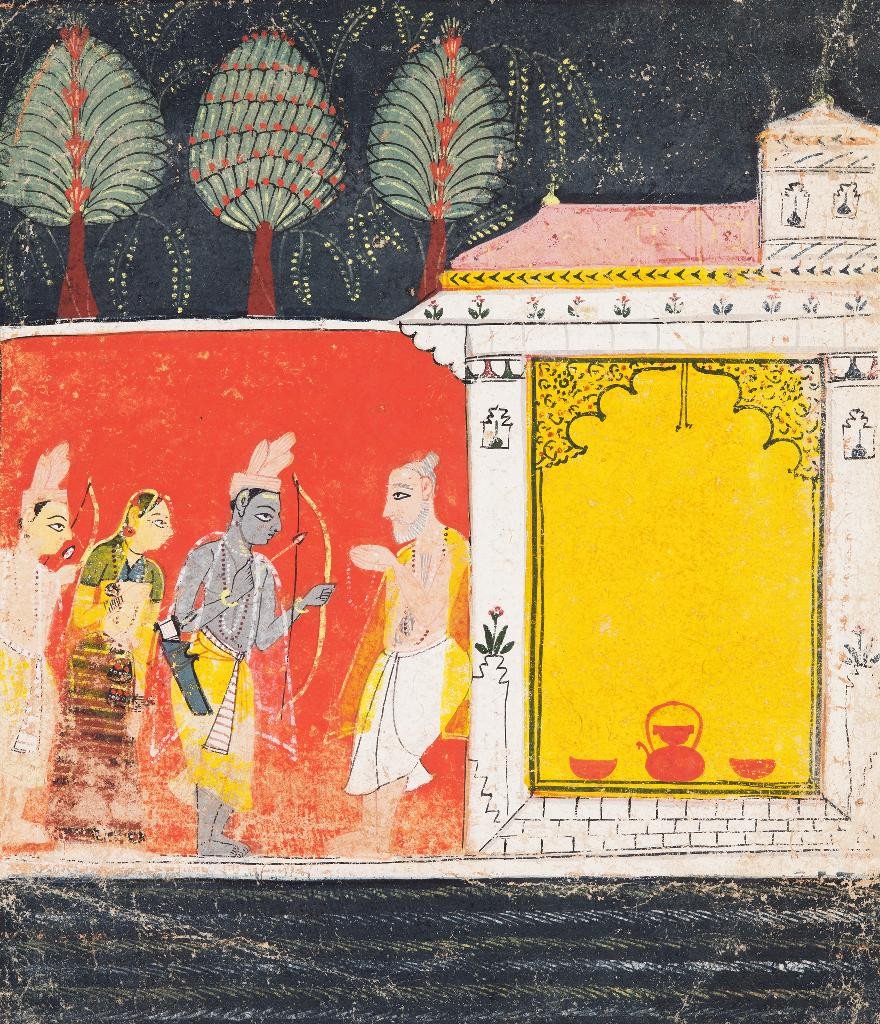
In the dialogue between Lord Rama and Vasishta, after returning from pilgrimage, Rama finds himself inwardly unsettled, as though the journey has brought him not completion, but a deeper question. Out of that inner unrest, Vasishta unfolds his teaching: that freedom lies not in fleeing the world, but in discernment — in seeing clearly the transient nature of all that passes, and in loosening the mind’s false identification with it. In this way, action is not abandoned, but purified: no longer driven by longing or fear, but guided by self-knowledge.

There are further questions to be asked and further information to be gathered. Move slowly. Reconsider before reacting. Restore before expanding. Build quietly before announcing. The light is returning, and Punarvasu reminds us that renewal is not found by pushing forward, but by returning to what is essential. 

New Moon Timin: 2:43AM PST | 15:13pm IST

Full Moon in Pūrvāṣāḍhā: The Invincible Star

FULL MOON IN PŪRVĀṢĀḌHĀ

Artwork: Kailash Raj

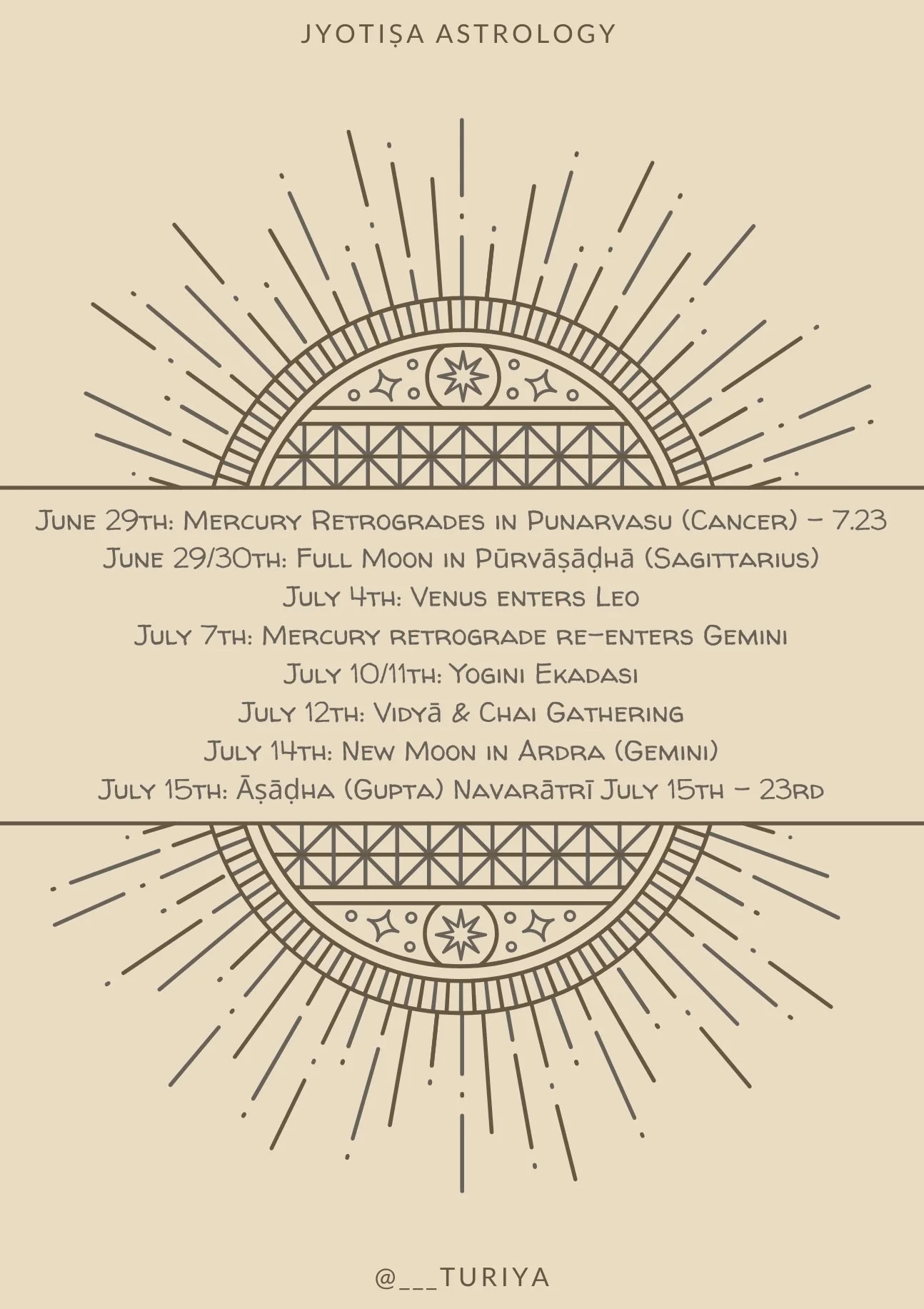
June 29/30

The Full moon (Jyeṣṭha Pūrṇimā) of June rises in the Vedic lunar mansion of Pūrvāṣāḍhā पूर्वाषाढा (Sag), the Invincible Star. This lunation cycle invites us to clarify and consecrate an elevated and refreshed timeline.

The pinnacle of Śukra Graha's (Venus) energy, Pūrvāṣāḍhā is represented in the celestial firmament by the brilliant stars Kaus Australis, Kaus Media, and Kaus Borealis within the heart of Sagittarius, the peak of the dharma trine. The ancient Ṛṣis perceived their formation as a handheld fan, while its name, "the Former Invincible," points not merely to victory, but to the sustained energy that makes victory possible.

Apah, the water goddess, presides over this nakṣatra and is said to be the birth star of Goddess Sarasvatī, she who awakens us to who we really are. Beyond the life-giving and nurturing qualities of water, this constellation is associated with the purification of impurities, rejuvenation, and the restoration of vitality.

She who replenishes what is spent, protects what is sacred, and ensures the one who endures is the one who prevails. To be truly unconquered is to guard the vital essence within — what you do not deplete, you do not have to recover. Protect the nervous system. Protect what sustains you so that you may continue to rise.

Being one of the birth stars of maṅgal graha (mars), who is that engine that easily rises to the top, this constellation desires a lasting victory and authorship of the new timelime — to be the one who narratives “the story” — this is acquired by getting our prioriites in alignment with the deeper truths that are being revealed to us now.

This Full Moon marks the culmination of the inner search initiated under the Mṛgaśīrā New Moon, illuminating what has quietly taken root within.

This renewal brings about rejuvenation, which sustains, energizes, and holds the śakti of varcograhaṇa—the power to invigorate, enliven, and encourage growth. There is a promise of victory to come when your focus is aligned with life-sustaining forces. What poisons in your life need to be transmuted into a healing experience?

Just like the winnowing basket, a symbol for this constellation, who is used to separate the husk from the grain, this cycle encourages a shedding of unnecessary obstacles in order to bring out the useful portion “inside”. This may relate to people places and things. Stay attunded to deep listening and any wise counsel that is bestow upon you during this time.

Budha Graha (Mercury) stations retrograde (Vakri) in the Vedic lunar mansion of Punarvasu (sidereal Cancer), the Star of Renewal, initiating a passage of reflection, reimagination, and restoration that echoes the wisdom of the winnowing basket.

Move deliberately. Distill what is true, stabilize what is worthy, and recommit with discernment. What you choose now has the power to sustain you far beyond this cycle.

All my Relations

Pūrṇimā (Exact Full Moon)

6.29 16:56 PDT | 19:56 EDT | 6.30 01:56AM Spain | 5:26AM IST