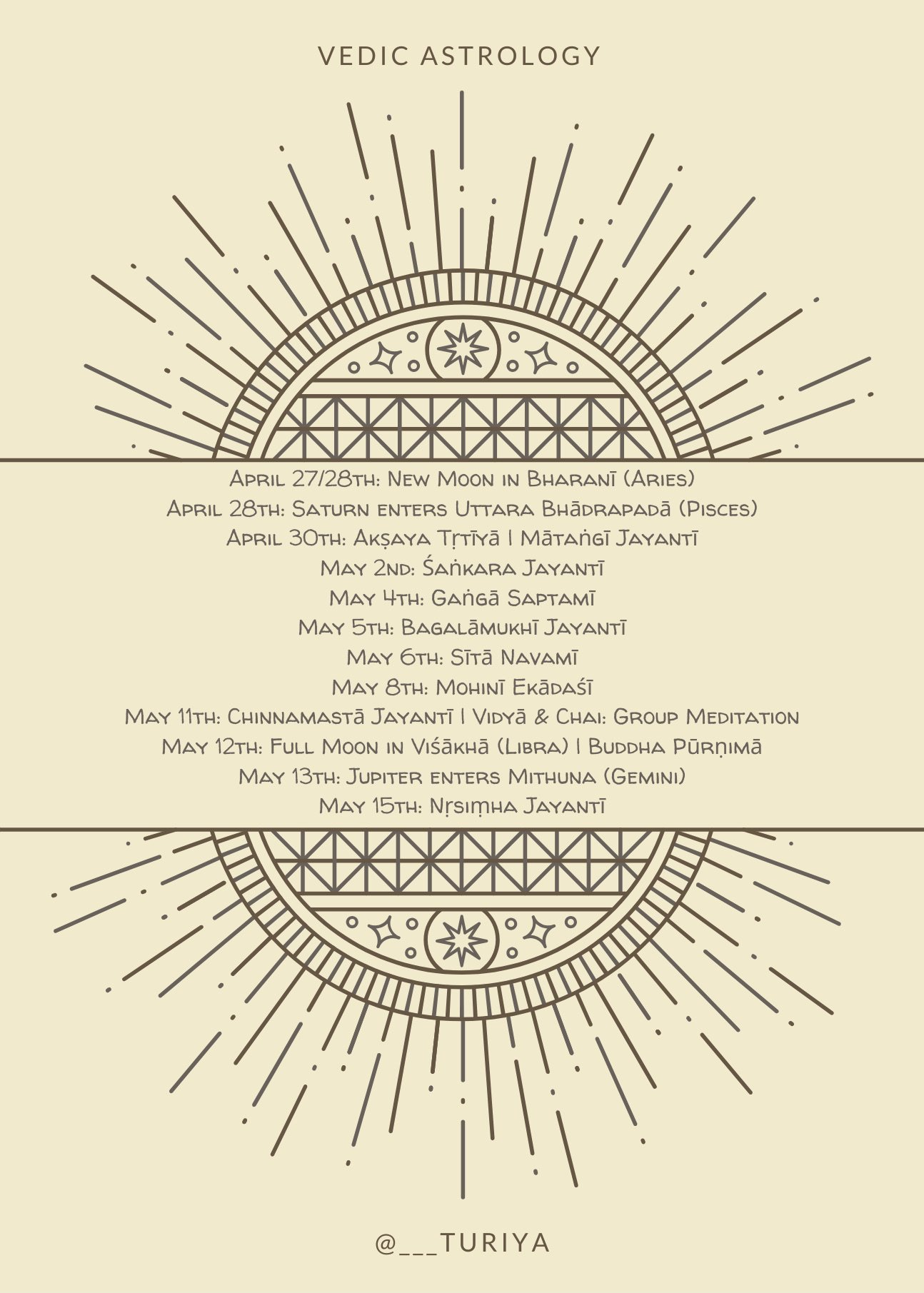
Sītā Navamī: Sītā Devī’s Appearance Day

Sītā Navamī

Artwork: Pinterest

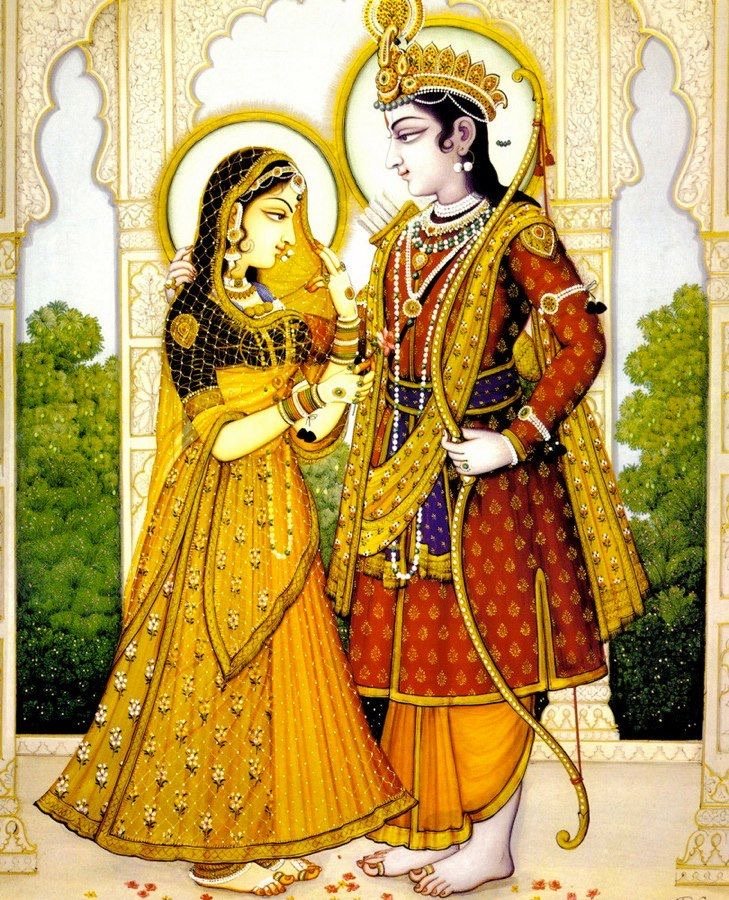
Landing on the Pañcamī tithi (5th lunar day) of the waxing Moon in the month of Vaiśākha (April/May), this sacred observance marks the appearance of Sītā Devī—daughter of the Earth (Bhū Devī), embodiment of dharma, and the beloved consort of Śrī Rāma, the seventh incarnation (avatāra) of Lord Viṣṇu.

Discovered by the philosopher-king Janaka while tilling the land, she was raised as his cherished daughter. This observance marks Her divine appearance (avatāra) on Earth, where she is revered as an incarnation of Lakṣmī Devī. 

Central to the great epic (itihāsa) and Ādi Kāvya, the Rāmāyaṇa, Sītā’s life exemplifies dharma, śakti, and unwavering satītva—one-pointed devotion rooted in truth. As the divine heroine of the narrative, she is revered as the embodiment of grace, courage, steadfastness, purity, and self-sacrifice.

जय सीता राम

 Don't love half lovers

This poem has always moved me and struck a chord. We’ve all compromised at some point—perhaps accepting less, or offering only part of ourselves to a person or project.

Time is beginning to move quickly now. We’re being called to implement all we’ve integrated over the past few months.Stay focused; don’t get distracted by half lovers or half friends. Do not live half a life, or dream half a dream.
This moment calls for placing both your investments and your discernment in their proper place—nothing misdirected, nothing wasted. How will you use this momentum?

We’re approaching a shift into amplified energy and flow-this may begin to present in the coming days. Cleanse and release what is not yours. We’re in the midst of an upleveling and reprogramming.

Trust that all who rise, eventually converge. 

Tithi and Festival Timing

It is important to note that Vedic festivals are traditionally observed based on the tithi (lunar day) present at sunrise, not merely by its occurrence at any point during the day. This is a key principle in determining the proper timing for observance.

For example, while Pañcamī tithi technically began yesterday (May 5th) in India, it commenced only after sunrise—around 7:30 AM—making it ineligible for festival observance on that day. Today, May 6th, Pañcamī tithi was present at sunrise, thereby qualifying as the rightful day for honoring Sītā Navamī.

This same rule applies to other significant observances such as Ekādaśī, where dates are often mistakenly observed when this key principle is not properly understood. The tithi at sunrise defines the festival day, in accordance with the traditional Pañcāṅga system used in Jyotiṣa and Vedic ritual timing.

All My Relations - Tulsi

Do not love half lovers. Do not entertain half friends. Do not indulge in works of the half talented. Do not live half a life and do not die a half death.

If you choose silence, then be silent. When you speak, do so until you are finished. Do not silence yourself to say something And do not speak to be silent

If you accept, then express it bluntly. Do not mask it. If you refuse then be clear about it for an ambiguous refusal is but a weak acceptance.

Do not accept half a solution. Do not believe half truths. Do not dream half a dream. Do not fantasize about half hopes

Half a drink will not quench your thirst. Half a meal will not satiate your hunger. Half the way will get you no where. Half an idea will bear you no results …

Khalil Gibran

Gaṅgā Saptamī: Reappearance of the River of Time

GAṄGĀ SAPTAMĪ

Artwork: Pinterest

Sunday, May 4th
This sacred observance falls on the Saptamī tithi (seventh lunar day) of the waxing phase of the Moon in the Vedic month of Vaiśākha (April/May), and commemorates the auspicious reappearance of Gaṅgā Devī upon Earth.  

Through King Bhagīratha’s penance, Gaṅgā descended from Svarga-loka, crossing realms to reach Earth, where her sacred waters released the sons of Sagara from their karmic imprisonment.  

While Akṣaya Tṛtīyā celebrates the boon of her descent, it is on Gaṅgā Saptamī that her celestial stream was finally released from the matted locks (jaṭā) of Lord Śiva and began to sanctify the Earth.

Artwork: Pinterest

The Purāṇas, including the Rāmāyaṇa (Bālakāṇḍa) and the Bhāgavata Purāṇa (Skandha 9), recount the tale of King Bhagīratha, whose generations-long tapasya invoked Gaṅgā’s compassion to liberate the souls of the sons of Sagara. 

Yet her descent was so powerful that it threatened to shatter the Earth—only Śiva, in his vast stillness, could receive her. Holding her within his jaṭā, he did not restrain her, but contained her—transforming overwhelming force into sacred flow.

Artowrk: Pinterest

Here lies a deep teaching: Gaṅgā is awakened śakti—pure descent, untamed grace. Śiva, as the unmoving ground, is the stabilizing force of consciousness that alone can channel her power without collapse. This is the union of śakti and śiva, the dance of movement and stillness, of becoming and being. Her release from Śiva’s locks symbolizes not chaos, but the sanctified expression of grace once held in silence.

Gaṅgā is also the river of Time—kalā herself, flowing endlessly through the three worlds. To bathe in her is to step beyond the bounds of karma, if only for a moment. Śiva, as Mahākāla, the Great Time, stands not within the current of time but beyond it, as the witness of all cycles. In her descent, Time meets the Timeless; and through her, we glimpse the possibility of release from the wheel.

Artwork: Pinterst

In yogic traditions, Gaṅgā is traditionally associated with the Iḍā nāḍī—the left-sided lunar channel, governed by the Moon’s cooling, inward-drawing current of śakti. Alongside Yamunā (Piṅgalā) and Sarasvatī (Suṣumṇā), she forms the subtle triveṇī saṅgam within the energetic body—the sacred inner confluence of breath, mind, and consciousness at the heart of spiritual awakening.

In tantric linages, Gaṅgā is also envisioned as the luminous current of consciousness descending from sahasrāra (the crown) through the Suṣumṇā nāḍī (central channel)—a divine fall not unlike her celestial plunge. Her flow through the inner spine mirrors her outer journey: a river of remembrance, rethreading the soul toward its Source.

Artwork: Pinterest

On this day, devotees honor her presence through mantras, ritual bathing, and silent invocation. Even remembrance is an offering. For those far from her physical waters, to close the eyes and chant her name is to be washed in her subtle presence. May we allow ourselves to be received as she was received—held, softened, and sanctified by the stillness within.

All my Relations - Tulsi

Oṁ Gaṅgāyai Namaḥ
Jaya Jāhnavī Mā

Akṣaya Tṛtīyā: Day of Lasting Achievements

AKṢAYA TṚTĪYĀ

Artwork from Pinterest

April 29/30th

Today marks the most auspicious day in the Vedic calendar, where both the luminaries, sūrya (sun) and chandra (moon) are in their exalted positions, occurring on the third (tṛtīyā) lunar day of the spring month of Vaiśākha. Akṣaya, meaning “never decreasing,” illuminates this day as a beacon of enduring accomplishments—also known as the day of lasting achievements. 

This auspicious occasion beckons new beginnings with unparalleled favorability, be it in the sacred bond of marriage, the initiation of ventures, the acquisition of gold or a new abode, or acts of benevolence. Such is its potency that the necessity of calculating an auspicious moment, known as muhūrta, becomes obsolete, for the entire day brims with divine blessings.

Tṛtīyā Tithi Begins — 5:01 AM PST | 05:31 PM on Apr 29
Tṛtīyā Tithi Ends — 1:42 AM PST | 02:12 PM on Apr 30

Today commemorates the denouement of the epochal Mahābhārata war, a pivotal event marking the transition from Satya Yuga, the golden age, to Tretā Yuga, the silver era. It is also revered as the day when Lord Gaṇeśa and Veda Vyāsa commenced the writing of the Mahābhārata, and the moment when, through King Bhagīratha’s penance, the celestial waters of Gaṅgā descended from Svarga Loka to grace the earthly realm.

This day is further sanctified by the celebration of Mātaṅgī Jayantī, honoring the Mahāvidyā who embodies knowledge, creativity, and the mastery of sacred speech. Governing the subtle realms of sound and thought, Mātaṅgī refines perception and harmonizes the mind with the cosmic rhythms of truth. She holds a deep connection to Sūrya Graha—the illuminator of consciousness and the eternal ātman (Self)—guiding the soul’s expression through the purity of voice, wisdom, and inner sovereignty.

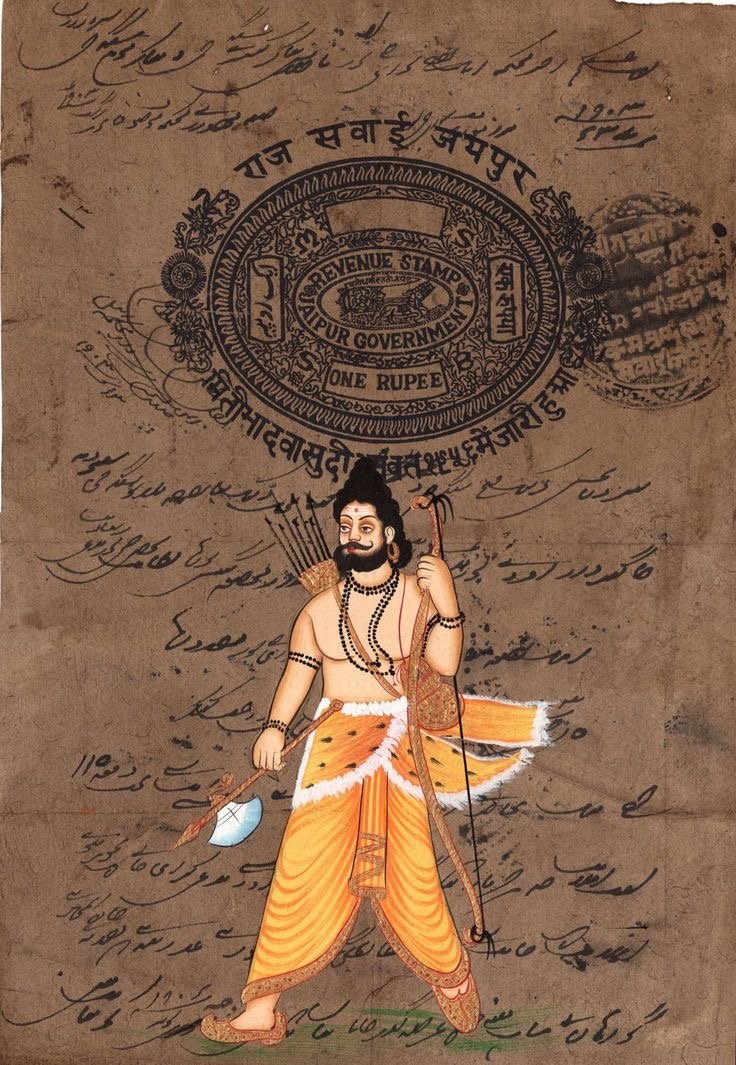
Finally, Akṣaya Tṛtīyā also coincides with Paraśurāma Jayantī—the birth anniversary of Bhagavān Paraśurāma, the sixth avatāra of Viṣṇu, the divine warrior-sage whose fierce incarnation saw him wield the paraśu (axe) against the kṣatriya class to restore dharma and renew a more righteous society.

ॐ नमो नारायणाय | Oṁ Namo Nārāyaṇāya