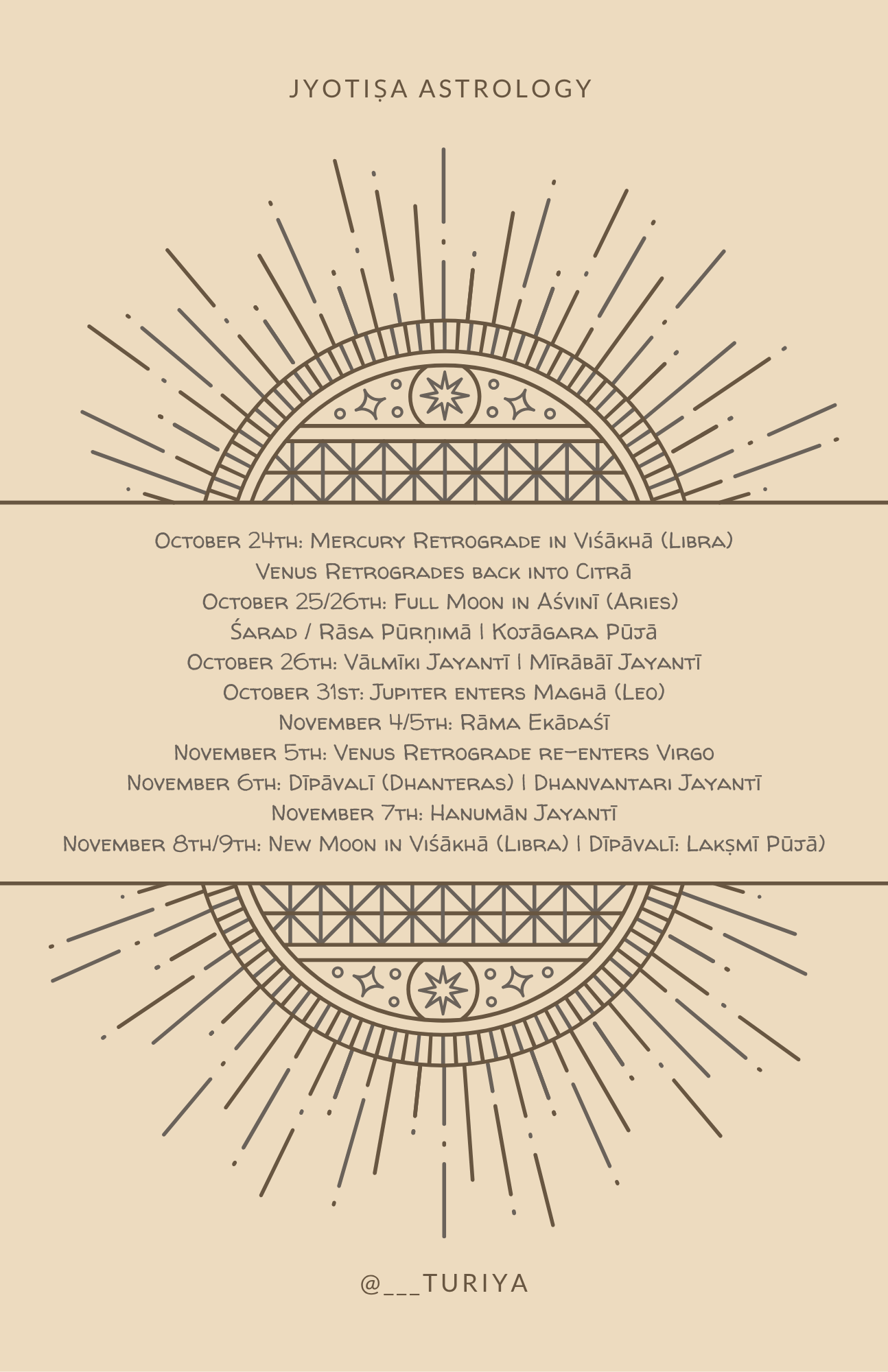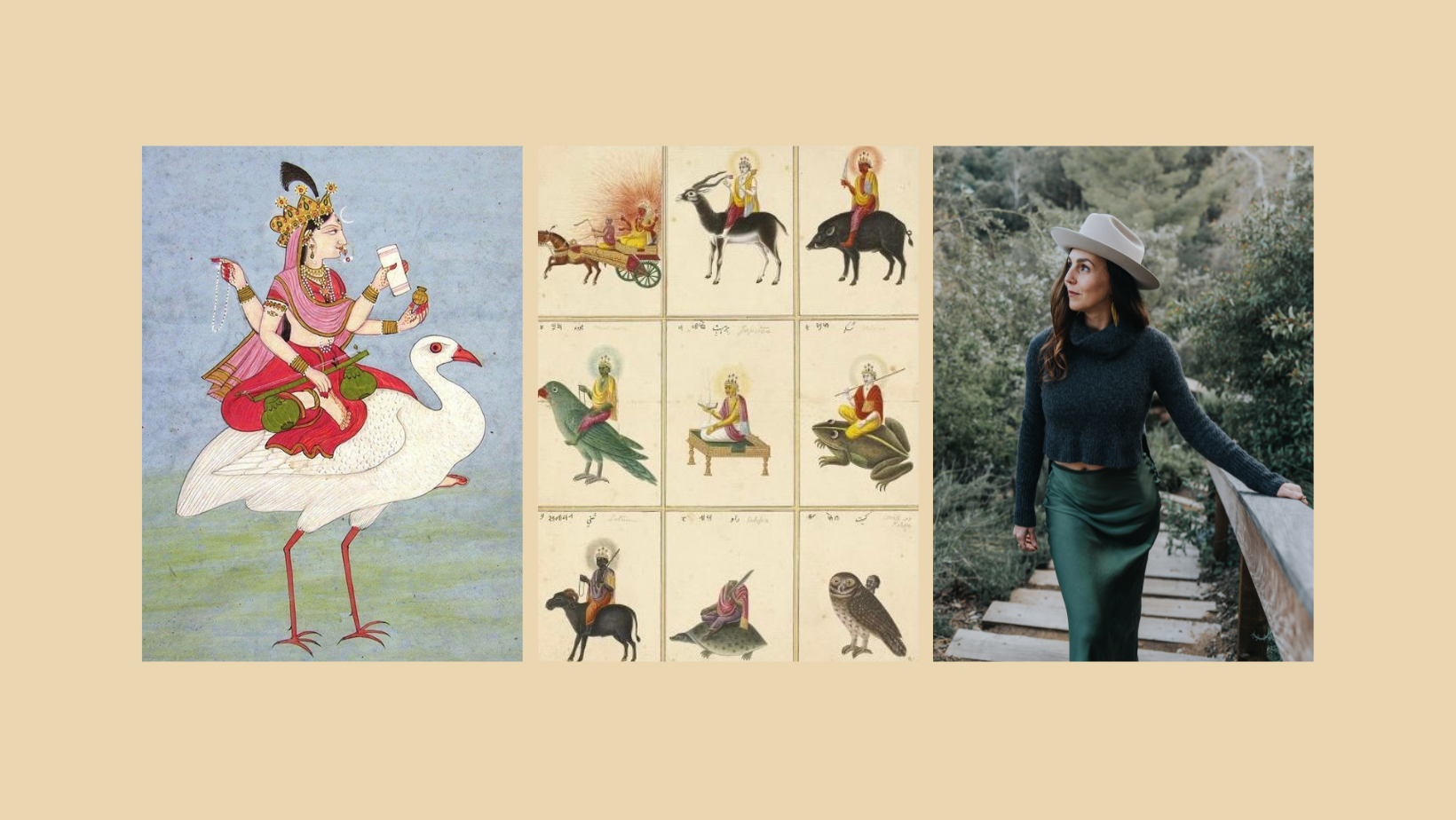
FULL MOON IN AŚVINĪ
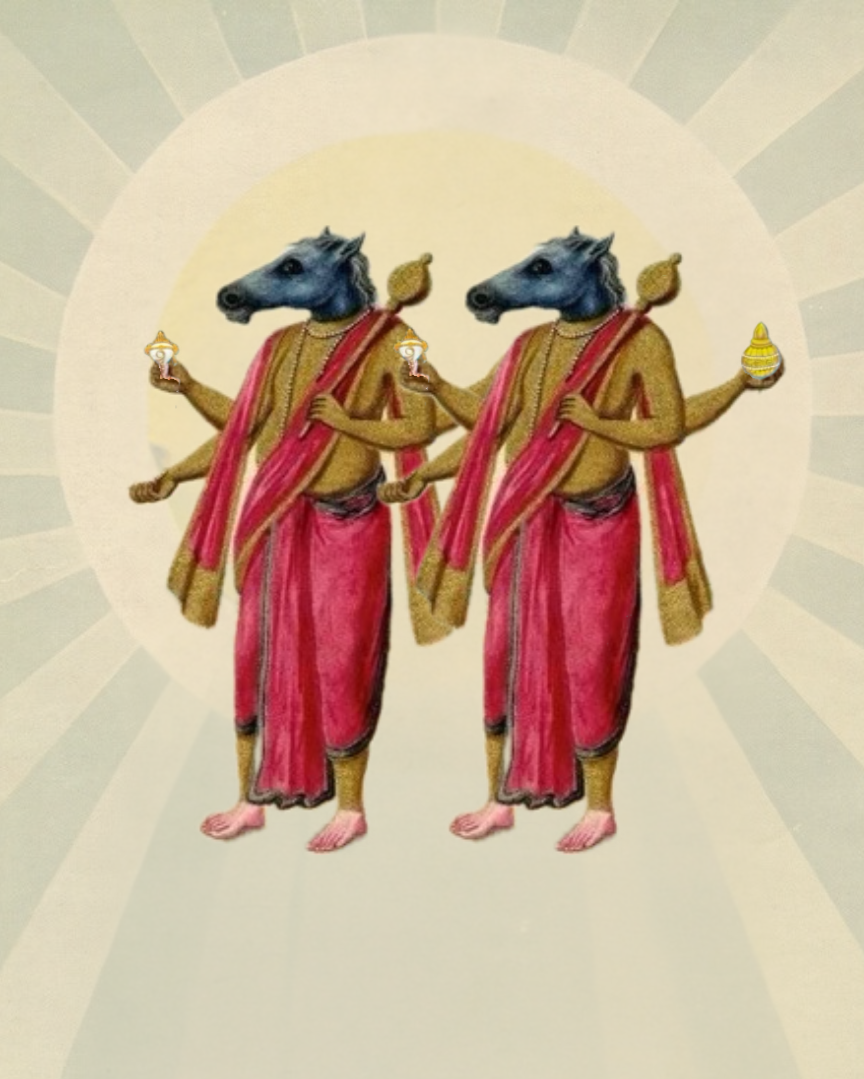
Artwork: By @___turiya
Oct 25 9:11PM PDT | Oct 26 12:11AM EDT | IST 9:41AM
The Full Moon पूर्णिमा of October arises in Aśvinī अश्विनी (sidereal Aries), the Vedic lunar mansion known as the Star of Transport, governing movement, as well as the subtle passage between states of being.
Aśvinī stands at the threshold, where one state dissolves and another has not yet fully formed, making it a potent gateway for transition, initiation, and swift reorientation of the path.
Seated at the beginning of the zodiac, Aśvinī holds the spark of latent power, igniting the unmanifest into manifestation. Initiating the first of the dharma houses and governed by Ketu graha (south node), it marks Sūrya’s uccha (exaltation) point, the emergence of the individual principle, singular and self-illuminating. It is represented in the celestial firmament by two bright stars in the constellation of Meṣa, known in modern astronomy as Hamal (Alpha Arietis) and Sheratan (Beta Arietis), which the ancient Vedic ṛṣis saw as forming the head of a horse.
This asterism holds the energy of Śīghravyāpana Śakti, the power to quickly reach or attain the object of one’s aim. There is a swiftness inherent here, a directness in movement, where intention meets response with minimal delay. There is also an element of the miraculous, an intelligence that moves beyond limitation, where outcomes once thought fixed may be restored, reversed, or brought back into alignment.
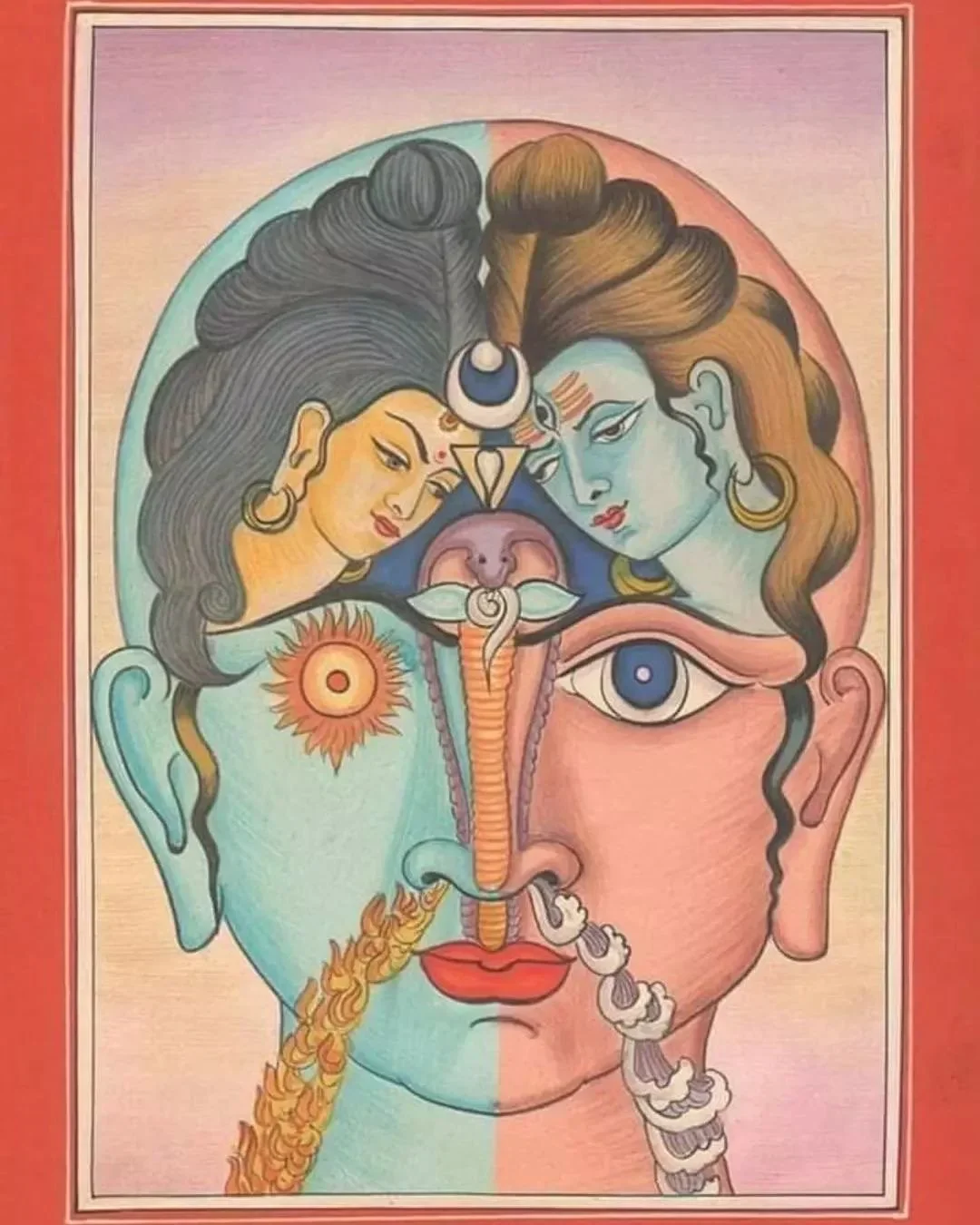
Artwork: Pinterest
Ruled by the Aśvinī Kumāras, the celestial physicians to the devas, Daśra and Nāsatya, “bringing help” and “truthfulness,” this Nakṣatra embodies healing, rejuvenation, and the intelligence of alternative medicine. In the Ṛgveda, the twins arrive when called. Help comes to the one who asks. Symbolized by the head of a horse, it carries vitality and the eagerness to begin, to set forth with sensitivity, precision, and a swift, determined current.
The Aśvinī Kumāras are born of a subtle concealment within the solar lineage. When Sañjñā, wife of Sūrya and daughter of Tvaṣṭṛ, could not bear his radiance, she placed her shadow (Chāyā) in her stead and assumed the form of a mare. Sūrya followed, taking the form of a stallion, and through this union the twin horsemen were born, carrying the intelligence of swift restoration, arriving at the threshold where life is renewed.
Initiatives taken now, especially those related to health and healing, are said to bear rapid results, drawing upon the potency of creation itself. There is a subtle current here that replenishes what has been diminished, restoring vitality where life force has waned.
Half animal and half human, they hold an invisible thread linked to the nostrils, to the first and final breath, and to the currents of iḍā and piṅgalā. The practices within Yoga Śāstra encourage the gentle and steady purification of these channels, guiding awareness toward the inner, hidden pathway, through which the journey of transcending identification with the body, the senses, desire, and even the fruits of action unfolds.
Just as the race horse wears blinders to avoid distraction or misstep, we too must maintain singular focus, centered in our own lane. Let us remain resolute, unmoved by the opinions, expectations, or noise of the waking dream and world around us, steadfast in the pursuit of what truly matters.
Kojāgara Pūjā
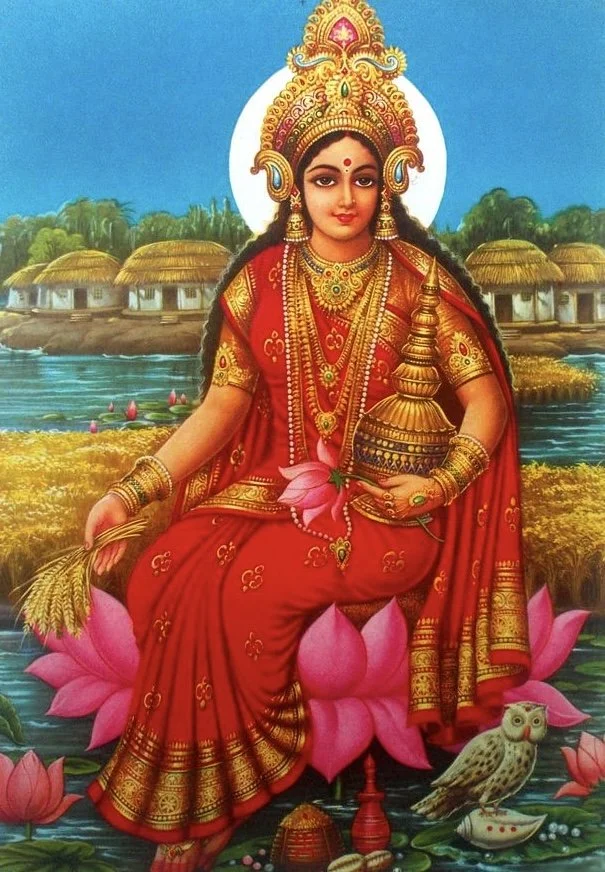
The lunar month of Āśvina takes its name from this star, for its Pūrṇimā rises in Aśvinī. This is Śarad Pūrṇimā, the autumn full moon, when the Moon shines with all sixteen kalās, sanctified by Kojāgara Pūjā (कोजागरा पूजा), the night vigil to Śrī Lakṣmī.
On this night, Lakṣmī is said to move across the earth, bestowing prosperity, abundance, and auspiciousness upon those she finds awake in devotion. Lamps are lit, mantra japa is offered, vigil is kept, and kheer is left beneath the moonlight to receive its amṛta.
Its name asks a single question: Ko jāgarti? (को जागर्ति?) Who is awake? The one established in the Self, awake through jāgrat, svapna, and suṣupti. As the Bhagavad Gītā says: “That which is night for all beings, therein the self-mastered one is awake.”
In the sky, Śukra, keeper of the Mṛtasañjīvanī vidyā, the knowledge that restores life, rests hidden in Sūrya’s light at the heart of the retrograde, soon to rise reborn as the morning star.
Rāsa Pūrṇimā
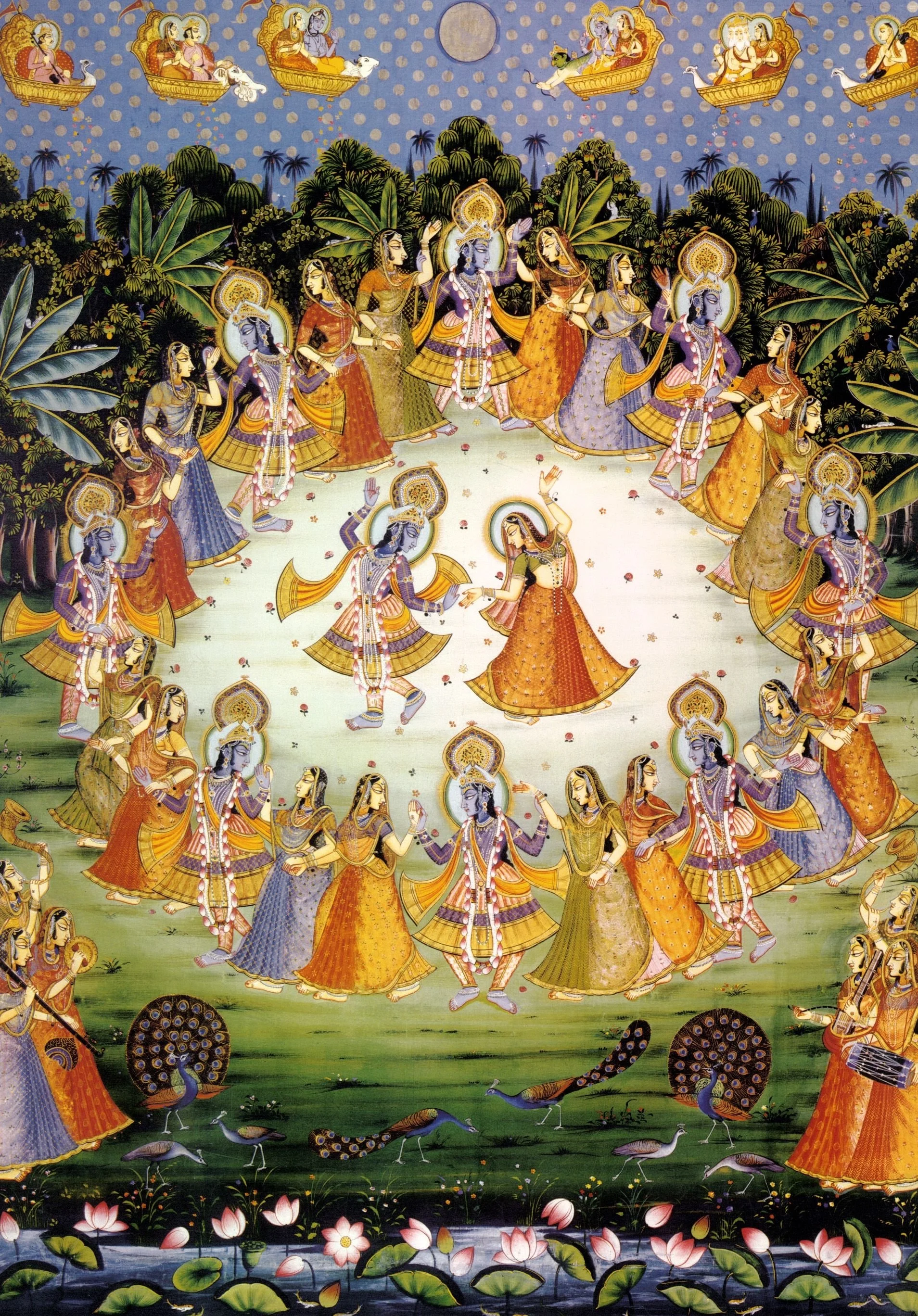
Śarad Pūrṇimā is also remembered as the night of the Mahā Rāsa. The Bhāgavata Purāṇa (10.29.1) opens the Rāsa Pañcādhyāyī with these autumn nights: “Seeing those nights of Śarad, fragrant with blossoming jasmine, Bhagavān, taking refuge in Yogamāyā, turned His mind toward play.”
Beneath the full moon, Śrī Kṛṣṇa played his flute on the banks of the Yamunā, and the gopīs, hearing the call, left everything behind. In the circle of the Rāsa, He multiplied Himself, so that each gopī danced with Kṛṣṇa at her side. When pride arose, He vanished. Through longing alone, He returned.
The Rāsa Līlā is the dance of the jīva and Paramātman. The flute is the call of the Self, and the gopīs are the awakened heart, the one who hears and does not delay. Whoever hears this līlā with faith is freed of hṛd-roga, the disease of the heart.
What is ready to be restored? What are you claiming?
Observed Sunday, October 25, with the Pūrṇimā tithi continuing until 9:41 AM IST on October 26.
Kārtika Māsa
The day after this Pūrṇimā, Kārtika begins, revered as the holiest month of the year. The Skanda Purāṇa declares: na kārtika-samo māsaḥ, “there is no month equal to Kārtika.”
As Sūrya passes through his nīca in Tulā and the nights lengthen, Kārtika carries the final stretch of Viṣṇu’s yoga-nidrā, until he rises on Deva Prabodhinī Ekādaśī. It is the threshold where the Divine awakens, and every practice offered now meets that awakening.
It is the month most potent for sādhana. Japa, vrata, dāna, svādhyāya, and the worship of Tulasī are said to bear imperishable fruit, multiplied many times over. Before dawn, the sacred bath of Kārtika snāna is taken, and each evening, lamps are offered (dīpa-dāna), each flame an offering of the inner light.
Kārtika is the month of Dāmodara, Śrī Kṛṣṇa bound by Yaśodā’s rope, the infinite held by love alone. It culminates on Kārtika Pūrṇimā, when the devas themselves descend to celebrate Dev Dīpāvalī.
All my Relations, Tulsi
My schedule is now open again for consultations. → Jyotisa
“Know the Self as the lord of the chariot, the body as the chariot, the intellect as the charioteer, and the mind as the reins. The senses, they say, are the horses.”
Kaṭha Upaniṣad 1.3.3–4