New Moon in Mṛgaśīrā: The Searching Star

NEW MOON IN MRGAŚĪRĀ 
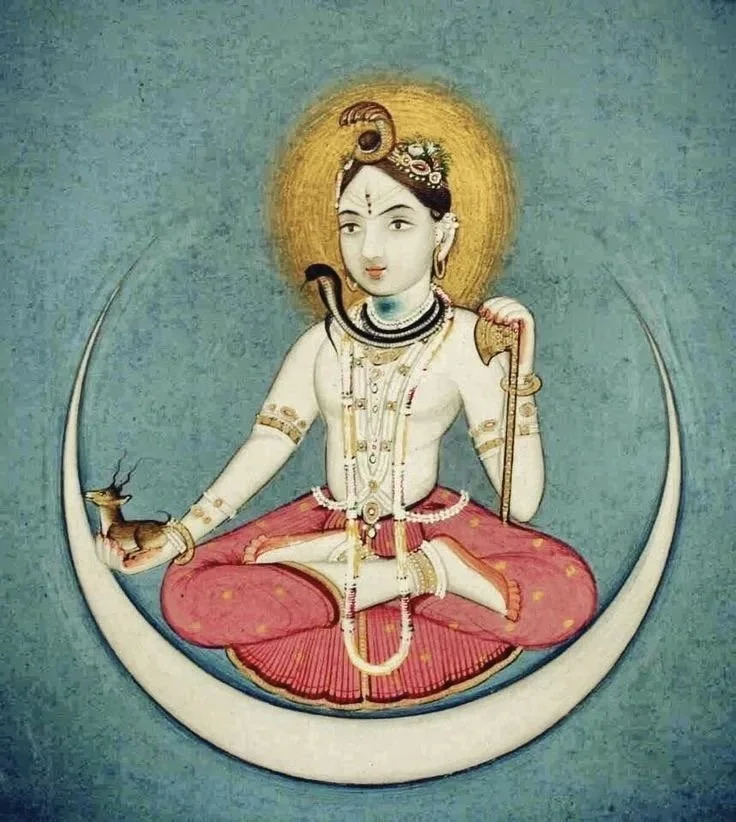
Shiva seated on the crescent Moon holding attributes of axe and antelope", Jaipur, India, c.1880, Opaque watercolor with gold on card.

JUNE 14/15

The June New Moon aligns both the Sun and Moon in the Vedic lunar mansion of Mṛgaśīrā मृगशिरा, The Searching Star.

Mṛgaśīrā initiates the Martian current of the nakṣatras (the first of three constellations governed by Maṅgala) and is represented in the celestial firmament by the brilliant star Bellatrix alongside three fainter stars in the constellation of Orion. The ancient Ṛṣis envisioned these stars as the head of a deer, giving rise to the name Mṛgaśīrā, “deer’s head.”

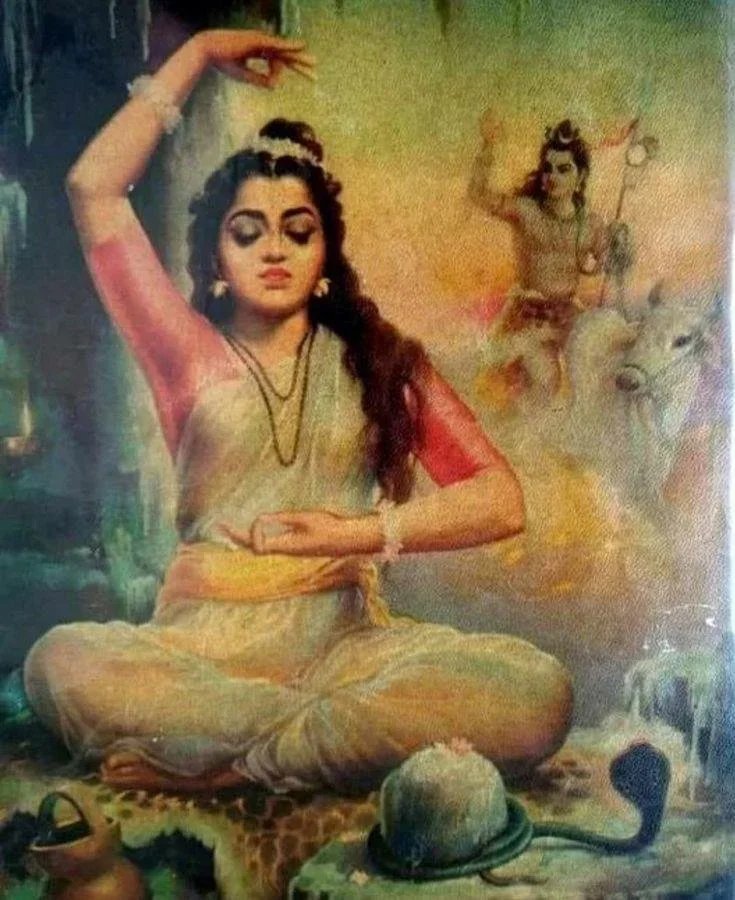
Mṛgaśīrā is said to be the birth star of Pārvatī, whose unwavering tapas culminated in union with Lord Śiva. Seated before him, she receives the most secret teachings of Yoga and the hidden wisdom (guhya vidyā), from which countless sacred dialogues and lineages take their source.
Ruled by the devatā Soma, the divine nectar of the Vedas, this nakṣatra is inherently magnetic and receptive, drawing life toward itself and awakening a thirst for deeper understanding. Soma is both the sacred elixir and the intelligence of nourishment itself: the subtle essence that replenishes vitality, refines perception, and sustains spiritual awakening. It is the rasa of existence, the sweetness that restores and enlivens consciousness. In its highest expression, Soma is pūrṇa—complete in itself, needing nothing, and therefore capable of nourishing everything around it.

Mṛgaśīrā is considered the seat of Chandra, the Moon, governing the mind (manas), emotion, receptivity, memory, and our capacity to reflect life. As The Searching Star, it invites us to explore the landscape of the mind itself, revealing that what we seek outwardly is often a reflection of what longs to be nourished within.

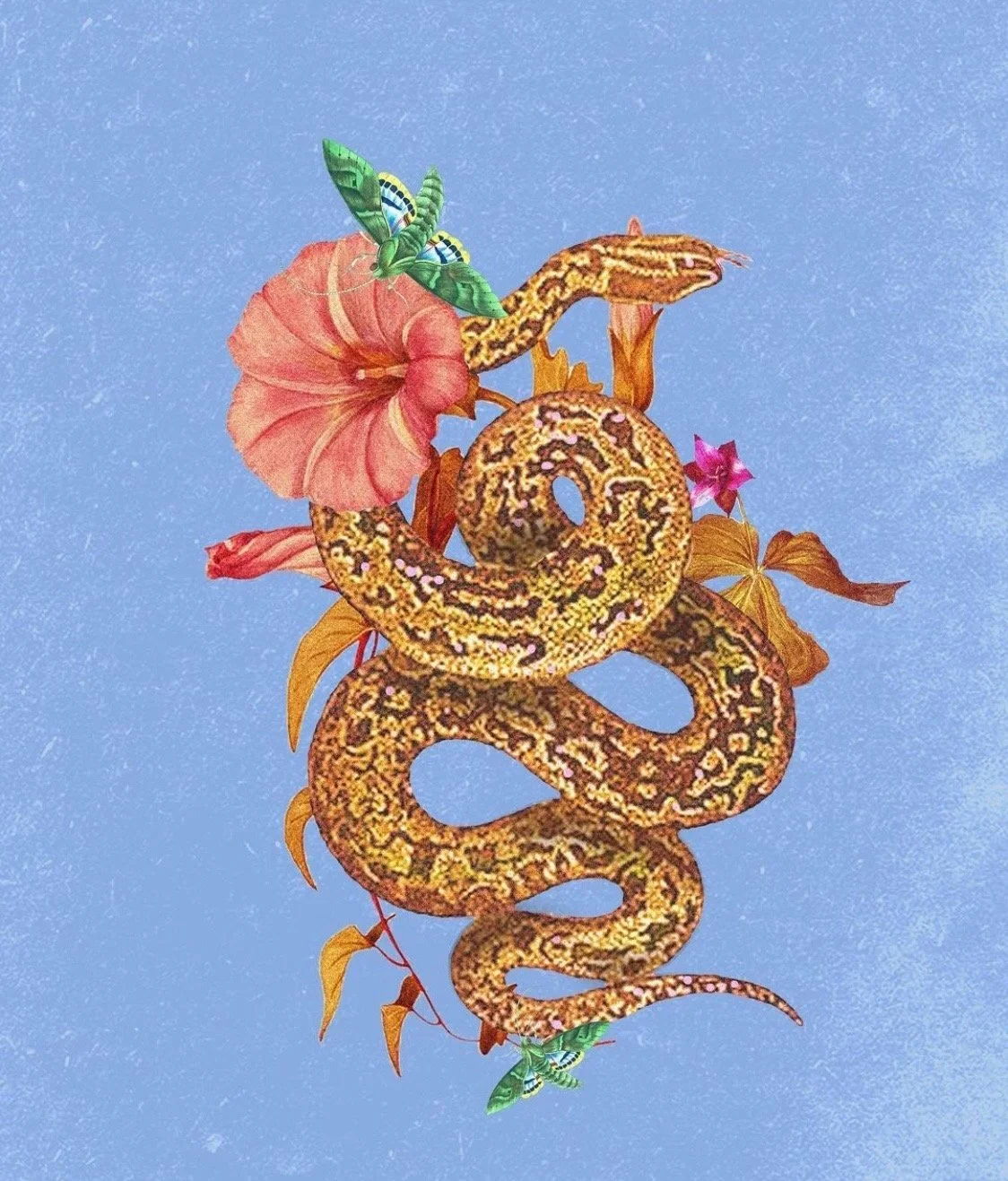
Mṛgaśīrā is also symbolized by the female serpent (sarpiṇī), representing instinctive wisdom, renewal through shedding, and the coiled potential of life awaiting its proper moment to emerge. It reminds us that creation is not born from urgency but from conservation, gestation, and the quiet gathering of energy before expression.
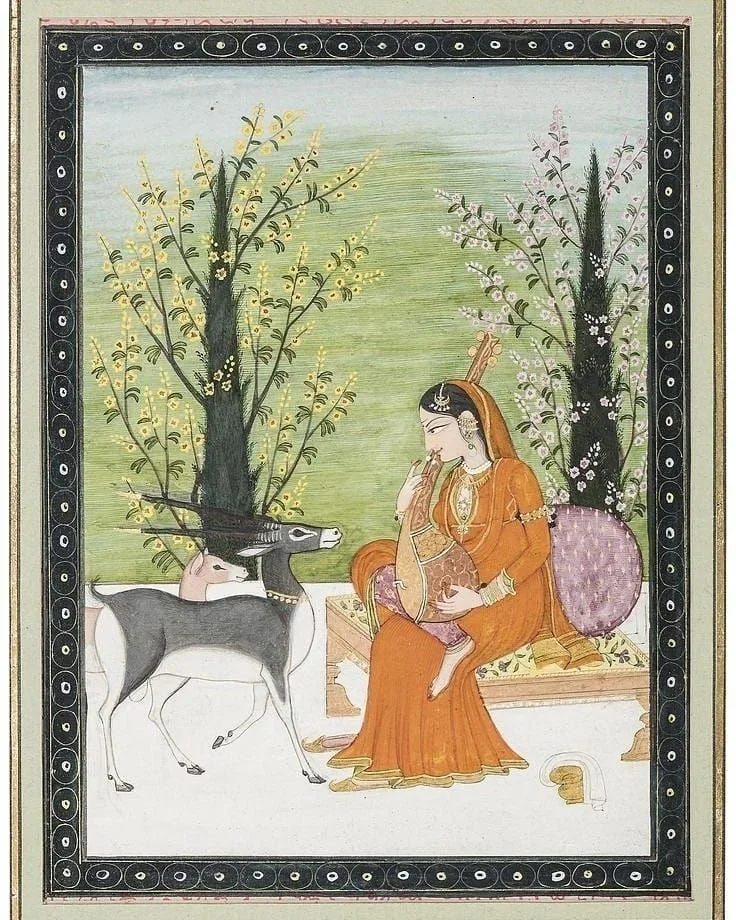
Known as The Searching Star, Mṛgaśīrā enlivens themes of desire, nourishment, and exploration. Like a deer following the faint scent of water, it compels us to seek what will truly satisfy. Yet its search is not born merely of lack, but of an innate recognition that there is something deeper to be found. The highest expression of Mṛgaśīrā is not endless seeking but discovering the nourishment that brings the search itself to rest.

Its Prīṇana Śakti, the power “to give fulfillment and joy,” reminds us that authentic fulfillment arises through right nourishment: what we consume physically, mentally, emotionally, and spiritually. The quality of what we take in becomes the quality of our consciousness and ultimately shapes the direction of our search. When the mind is properly nourished, seeking transforms into contentment, desire into devotion, and longing into quiet abiding.

The wisdom of Mṛgaśīrā is that desire may either bind or liberate. When scattered, it leads outward into endless seeking; when refined into single-pointed devotion, it finds fulfillment.
New Moon also marks the close of Adhika Puruṣottama Māsa. The month of inward turning completes, and we step forward renewed into the material current of life.

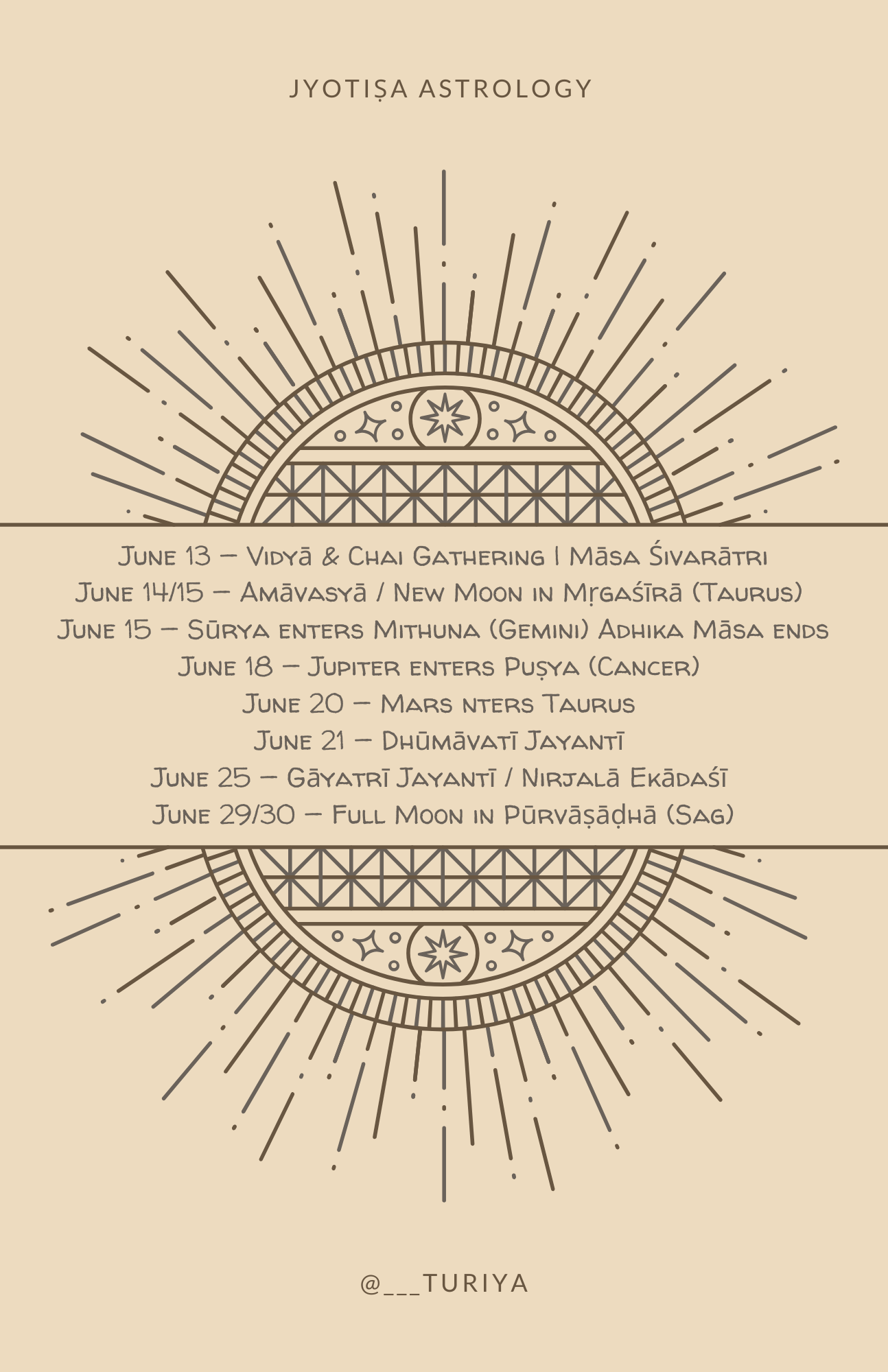
For a deep dive on the New Moon, the closing of Adhika Māsa, and Jupiter’s transit into Cancer, join us this Saturday, June 13th for our monthly New Moon Vidyā & Chai Gathering.

RSVP via email or Join the Vidyā & Chai WhatsApp Community
Pārama Ekādaśī: The Rarest Fast of the Sacred Year

PĀRAMA EKĀDAŚĪ 

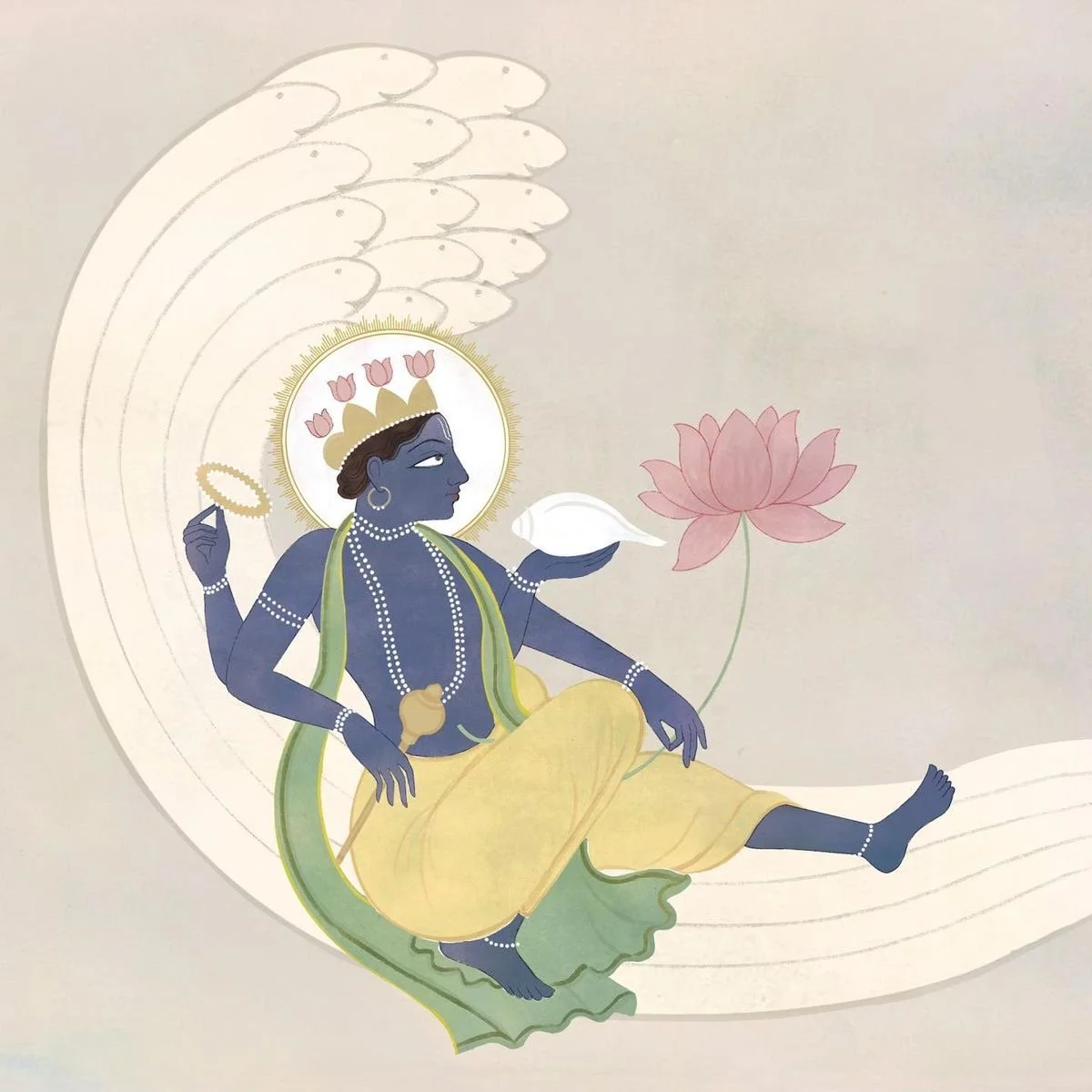
Artwork by Samadhi Collective | Jahnavi Lucas

6.11.2026

Once every two and a half to three years, when the calendar opens that rare thirteenth chamber called Adhika Māsa, two extra Ekādaśīs appear that the world will not see again for another thousand days. The Śukla Pakṣa one is called Padminī. The Kṛṣṇa Pakṣa one is called Pārama. They are, in the Vaiṣṇava tradition, the rarest and most fruit-bearing Ekādaśīs of the entire calendar. 

We are currently in Adhika Jyeṣṭha, the intercalary month also known as Puruṣottama Māsa or Malamāsa. Once regarded as inauspicious, it was given the name Puruṣottama by Lord Viṣṇu and is revered as one of the most sacred months of the year.

Vrata Māhātmya: From the Skanda Purāṇa

The glories of Pārama Ekādaśī are described in the Skanda Purāṇa, where Lord Kṛṣṇa narrated this history to Mahārāja Yudhiṣṭhira. Long ago, in the ancient city of Kampilya, there lived a pious Brāhmaṇa named Sumedha and his devoted wife Pavitra. Although deeply religious and dedicated to serving Lord Hari, they suffered from extreme poverty — many days passed without sufficient food, proper clothing, or even the basic necessities of life.

One day, the sage Kauṇḍinya visited their home. Despite their poverty, the Brāhmaṇa couple served the sage with devotion. Seeing their condition, the sage instructed them to observe the fast of Pārama Ekādaśī, which falls in the month of Puruṣottama.

The sage explained that this Ekādaśī destroys accumulated sins, removes poverty, grants prosperity, and bestows the special mercy of Lord Hari. With complete faith, Sumedha and Pavitra observed Pārama Ekādaśī with full devotion — they fasted, chanted the holy names of the Lord, worshipped Lord Viṣṇu, and spent the day absorbed in devotional service. Soon after, by the mercy of Lord Puruṣottama, their lives changed dramatically: a royal prince arrived and gifted them a beautiful residence, abundant wealth, and even an entire village for their maintenance.

The vrata-māhātmya offers further testimony to the power of this observance. It recounts that Kubera, through the merit of observing Pārama Ekādaśī and the grace of Lord Śiva, attained his exalted position as treasurer of the devas. Likewise, the righteous King Hariścandra, after enduring immense hardship while never abandoning truth, regained his kingdom, family, and fortune through the observance of this sacred vow.

Pārama Ekādaśī addresses not only outer circumstance, but the poverty of the inner life. The places within us that have gone hungry for too long. The karmas that have accumulated across lifetimes of forgetting. This is a vrata of profound śaraṇāgati: placing everything at the lotus feet of the One who holds all.

The Practice

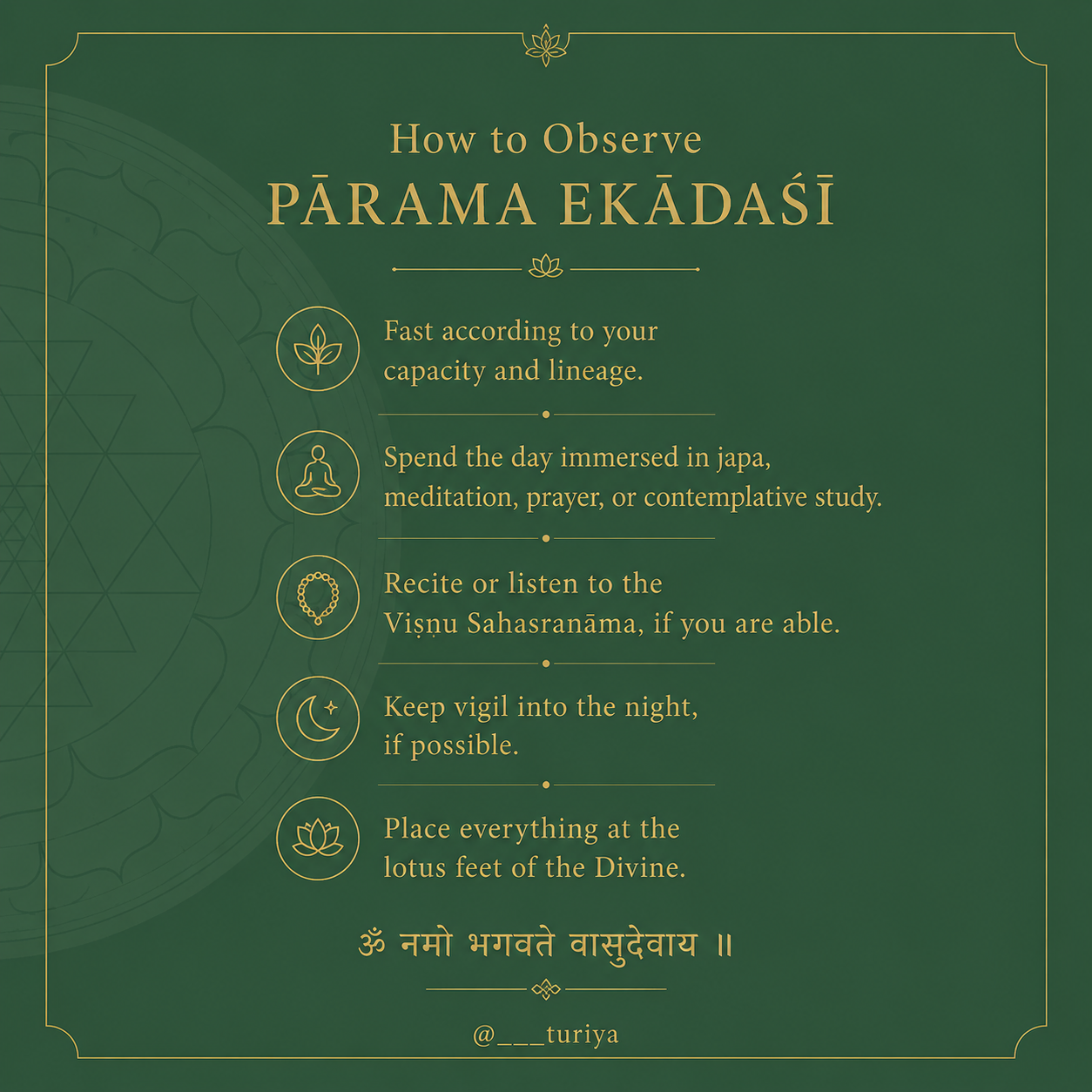
The practice is simple in form. Its depth is in the sincerity brought to it. Fast from grains and beans. Those who cannot fast fully may observe a fruit and water fast, or reduce food to one simple meal taken with intention.

Chant the names of Hari throughout the day — Viṣṇu Sahasranāma, nāma japa, or simply the continuous inner repetition of Om Namo Bhagavate Vāsudevāya.

Remain awake through the night of Ekādaśī in remembrance. Sleep on this night is traditionally said to break the vrata.

Break the fast the following morning, on Dvādaśī, after sunrise.

ॐ नमो भगवते वासुदेवाय ॥

Tithi:

6/10 — 10:28 am PST through 6/11 — 8:06 am PST

06/11 00:58 am—  IST through 6/11 — 22:36 pm IST

Vrata is traditionally observed on the day when the Ekādaśī tithi (June 11th for both locations) is present at sunrise in your location.

Jupiter Enters Cancer

Jupiter Enters Cancer

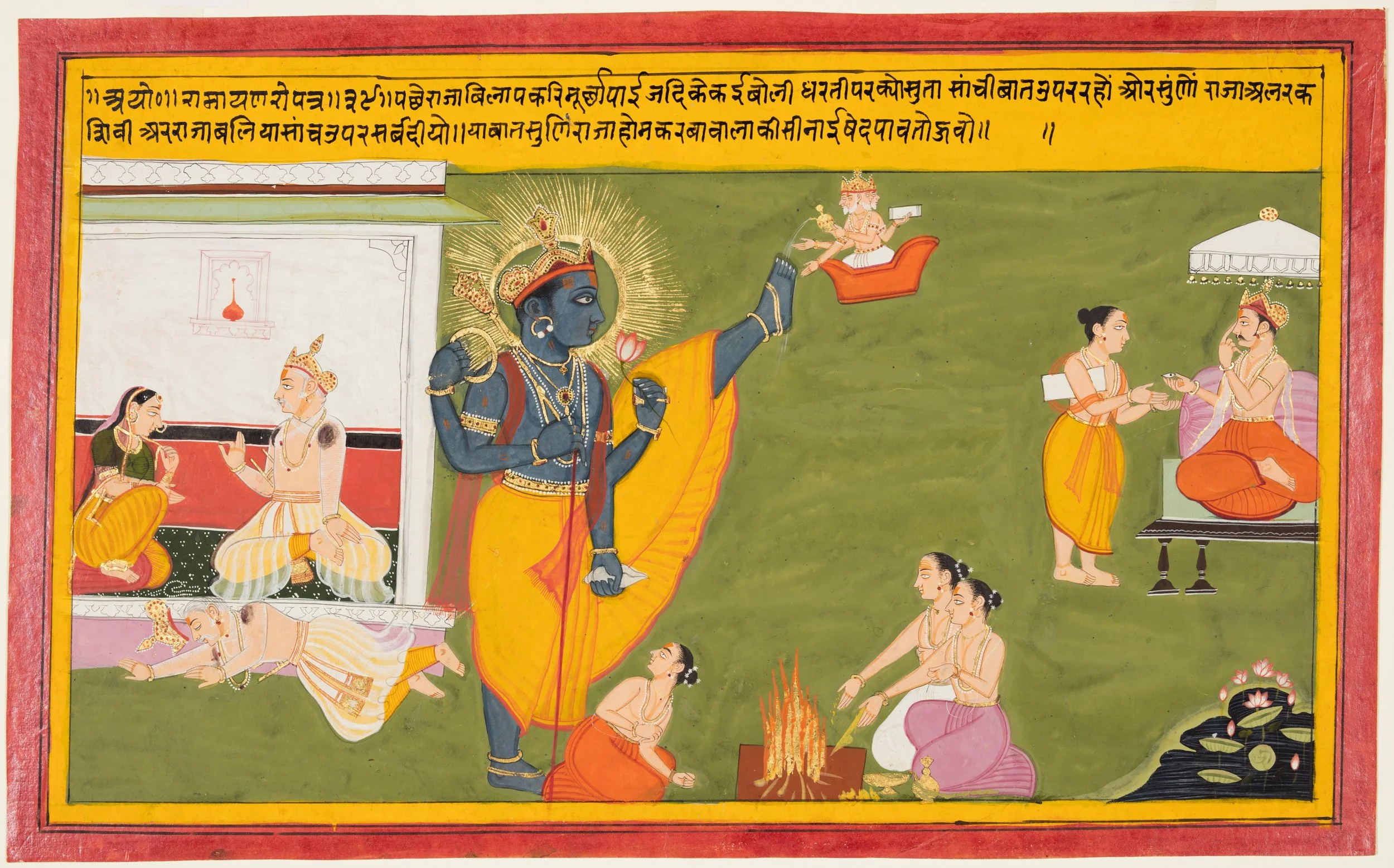
Vāmana Avatāra and King Bali | Mewar, Rajasthan, c. 1710

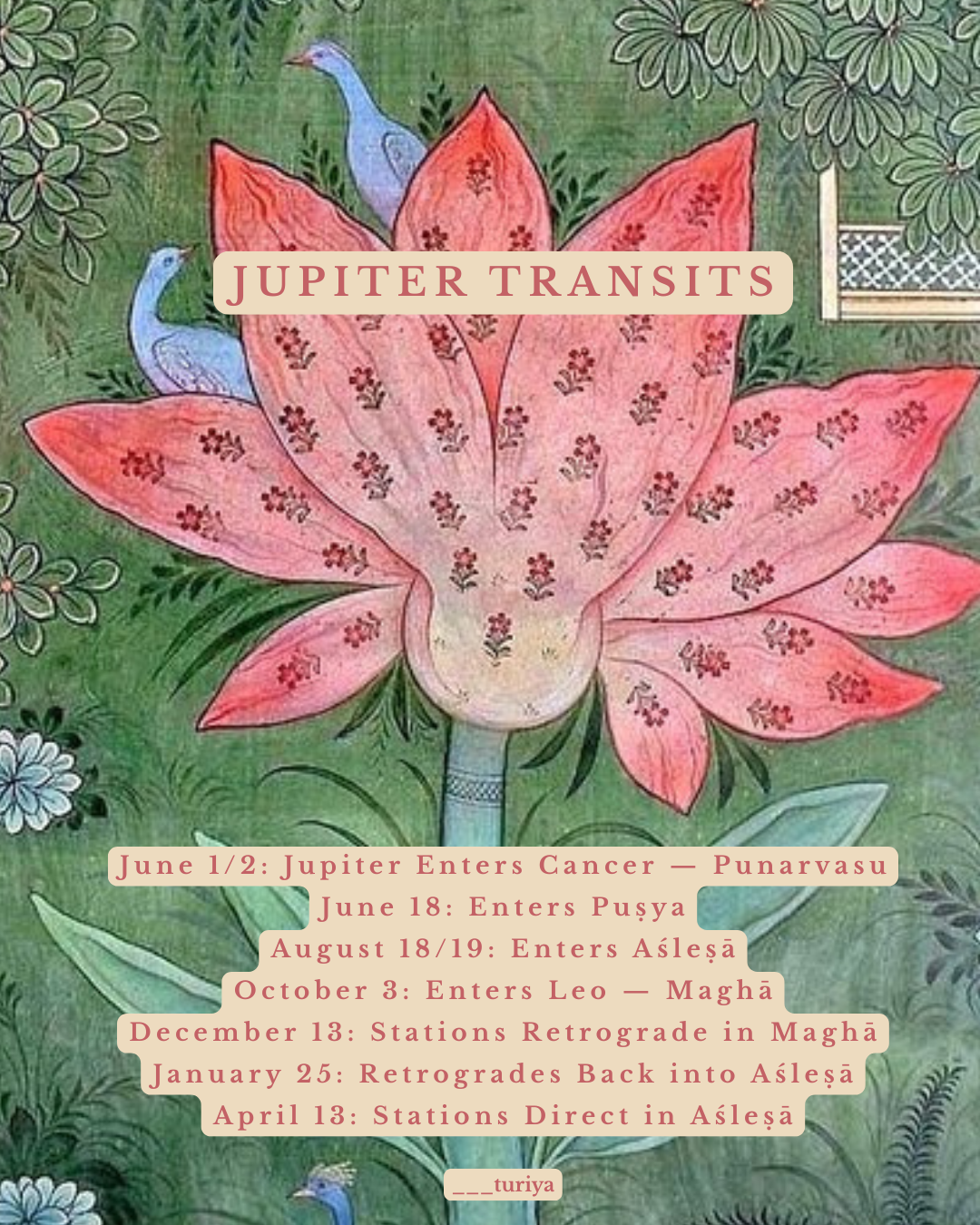
06.01 - 10.31

Jupiter returns to Karka Rāśi through the Vedic lunar mansion of Punarvasu. On June 18th, Guru enters Puṣya Nakṣatra, stepping into his uccha (exaltation) point within the heart of Cancer. Known as the Star of Nourishment, Puṣya is the seat of Bṛhaspati—the preceptor of the gods and speaker of the prayer.

Jupiter, the planet of expansion, intelligence, wisdom, magnetism, counsel, divine strategy, sound (śabda), speech (vāk), invocation, mantra, and music, is Jīva Karaka—the significator of life itself.

Known as Vācaspati, Lord of Speech, and said to possess a voice like a lion, Guru restores things to their rightful place according to their inherent nature.

His vehicle is the elephant. He rules Thursday, Sagittarius, and Pisces, wears yellow, and his gemstone is Pukhrāj (Yellow Sapphire). Predominantly Kapha in constitution and the carrier of Ākāśa Tattva, Jupiter governs the intelligence through which life is understood and meaning is revealed.

Artwork: Pinterest

As the seat of Bṛhaspati, Puṣya points toward a deeper form of nourishment. In the Bhāgavata Purāṇa's account of King Pṛthu and the milking of the Earth, the great Ṛṣis fashioned Bṛhaspati as the calf and drew forth Vedic knowledge itself as the milk. Here, nourishment is not merely grain, wealth, or material sustenance, but Brahma Vidyā—the wisdom that illuminates, refines, and guides the Jīva through the unfolding of karma.

Puṣyā holds the energy of Brahmacarchasva Śakti, the power to invoke spiritual radiance through sacred speech, prayer, mantra, and tapasya. The wealth cultivated here is puṇya—the accumulated merit generated through right action, discipline, devotion, and intention. From this storehouse of merit arise protection, guidance, resilience, and the unseen support that sustains life through both prosperity and challenge.

Among the most auspicious nakṣatras, Puṣyā is deeply favorable for beginnings of all kinds—except marriage. Its blessings are not merely concerned with outward success, but with establishing conditions that can sustain growth over time. True nourishment includes not only provision, but protection; not only growth, but the wisdom required to preserve and steward what has been entrusted to our care.

As Jīva Karaka, Jupiter is the experiencer of karma. Through the Jīva, we encounter both sukha and duḥkha, the fruits of actions ripened for experience. His transit through Cancer, the natural fourth house and domain of sukha, turns our attention toward the foundations of nourishment, belonging, and that which genuinely sustains life.

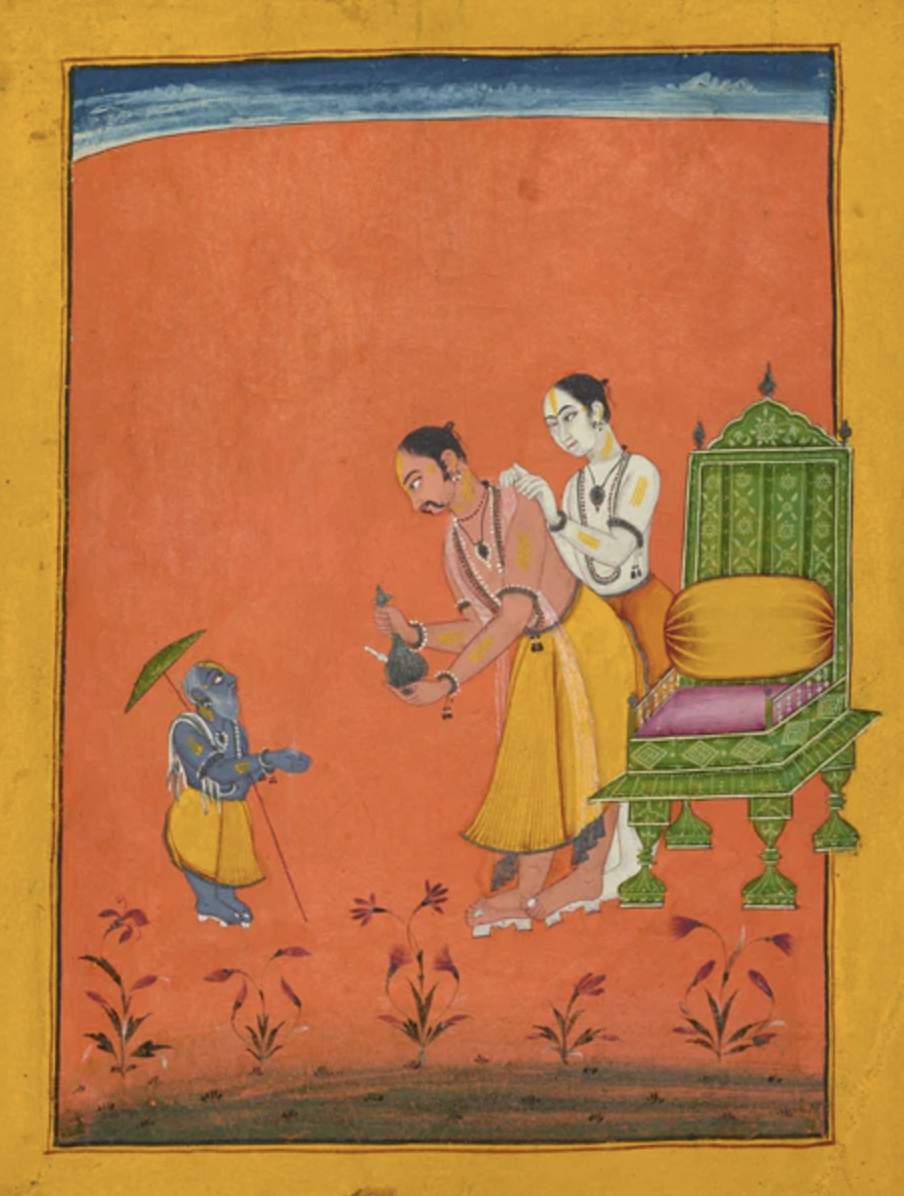
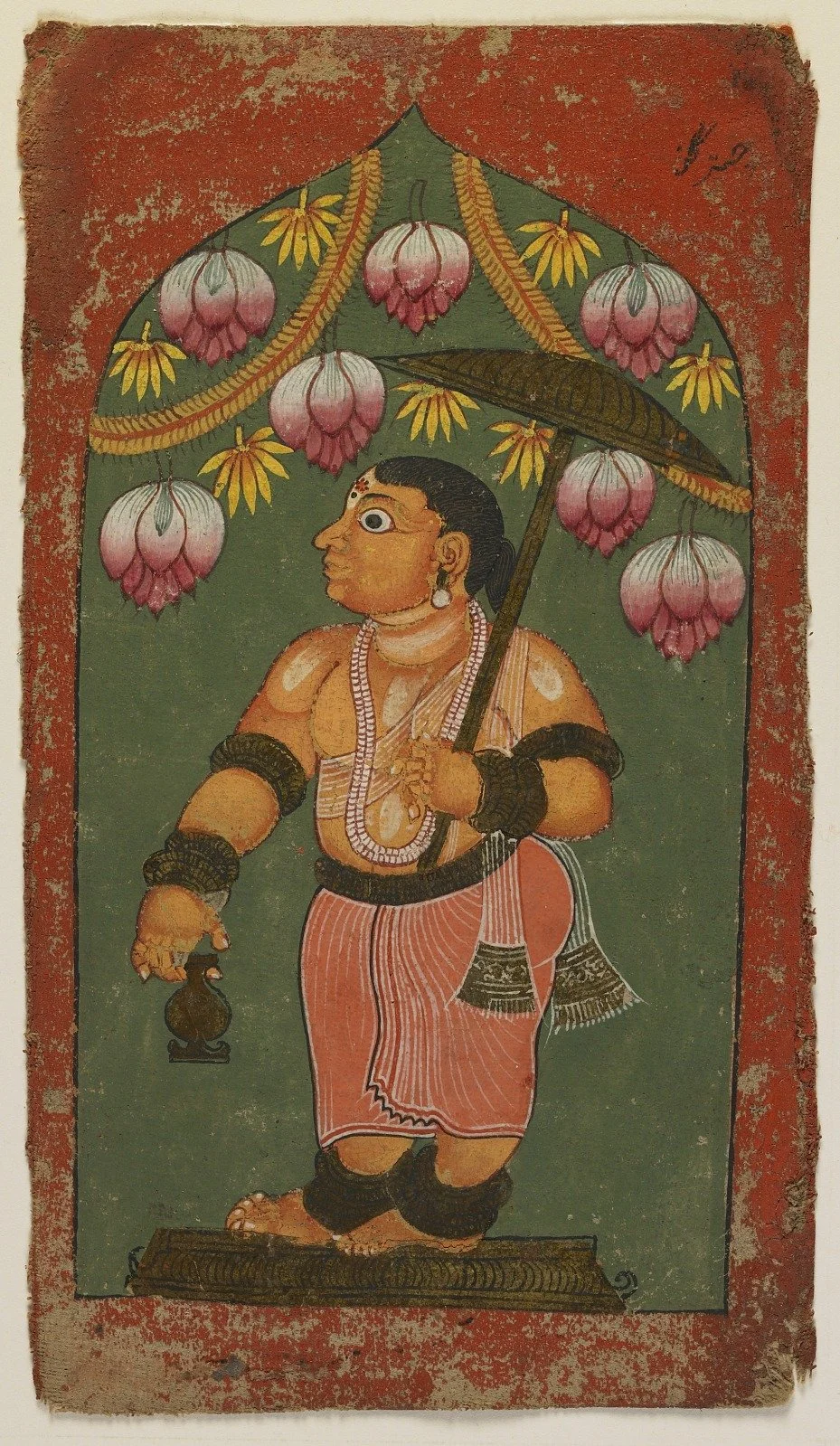
As Śrī Vāmana, the fifth avatāra of Lord Viṣṇu, he demonstrates another dimension of Guru's nature. Employing divine strategy (māyā-upāya), Vāmana restored the worlds to their rightful place. When the influence of the asura king Bali extended across the three worlds, Viṣṇu appeared as a humble yet magnetic dwarf brāhmaṇa.

Artwork: Vishnu as Vamana | National Museum of Asian Art. South Indian School. 18th Century.

Approaching Bali during a sacrifice, he requested only three paces of land. Confident in his generosity and power, Bali agreed, despite the warning of his guru Śrī Śukrācārya, who urged him not to grant the request.

What followed was an unfolding of divine order. Expanding into his cosmic form, Trivikrama, he covered the Earth with his first step and the heavens with his second. With nowhere remaining for the third, Bali offered his own head. The celestial realms were restored to the devas, while Bali was established as ruler of Pātāla Loka according to his nature and role.

Like Vāmana, Guru restores order through the re-establishment of proper proportion. Bali was not cast down for being unrighteous; he had simply extended beyond the bounds of what was rightfully his. Through wisdom and discernment, Vāmana restored the worlds according to dharma, returning each being to its rightful place. The devas regained their celestial domains, Bali was established in a kingdom befitting his nature and merit, and cosmic order was once again upheld.

This is the deeper movement of Jupiter through Karka Rāśi and Puṣyā Nakṣatra. Guru reveals what has fallen out of alignment and guides it back toward its proper place. What has been neglected is nourished. What has exceeded its measure is tempered. What has been forgotten is brought once more into conscious awareness. Through wisdom, merit, and right understanding, dharma is restored from the inside outward.

If you are in a Jupiter or Saturn daśā or antar-daśā, pay close attention to the shifting tides and what is now coming forward.

Deep dive together in our Vidya and Chai monthly gathering on June 13th | email tulsibagnoli@gmail.com to RSVP

ॐ बृहस्पतये नमः | oṁ bṛhaspataye namaḥ

Full Moon in Anurādhā: The Star of Success

FULL MOON IN ANURĀDHĀ

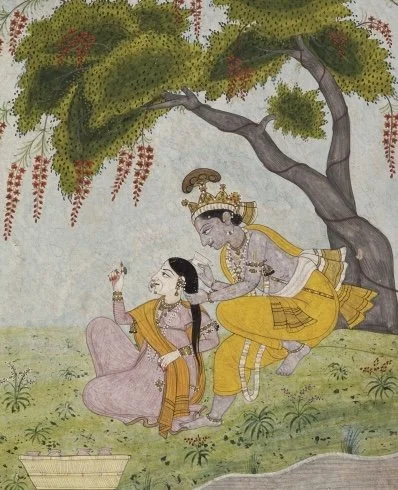
Artwork: Krishna Combs Radha's Hair. Punjab Hills, c. 1820.

05.31.26

The Full Moon पूर्णिमा arises beneath the Vedic lunar mansion of Anurādhā अनुराधा (Scorpio), the Star of Success. This constellation reminds us that what is cultivated with devotion, patience, and sincerity eventually bears fruit.

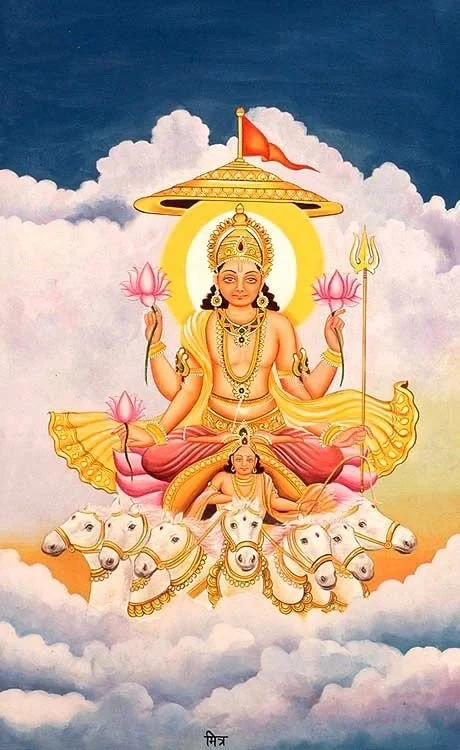
Governed by Mitra, Devatā of friendship, harmony, and sacred alliance, this Nakṣatra illuminates the bonds, commitments, and shared purposes that unite individuals in meaningful relationship.

Recognized by the ancient Ṛṣis through the stars Acrab, Isidis, and Pi Scorpionis, whose staff-like formation rests within the heart of Scorpio, Anurādhā carries the power to unite individuals through friendship, devotion, and shared purpose.

Symbolized by the triumphal archway and the female deer, Anurādhā reveals both attainment and receptivity. The archway signifies success achieved through sustained effort, while the deer embodies the sensitivity, awareness, and gentle vigilance required to navigate the deeper terrain of the heart.

Artwork:Pinterest — Mitra

The refinements initiated beneath the New Moon in Kṛttikā now begin to reveal their fruits. What was offered into the sacred fire for purification, release, and transformation may now be seen with greater clarity as the light of the Full Moon illuminates what has taken root.

Known in certain traditions as the Rohiṇī of the underworld, Anurādhā marks a movement toward the Nivṛtti Mārga—the inward path. Here, the journey turns from outer attainment toward inner realization, inviting awareness beneath the surface of appearances and into the deeper chambers of the heart. Often symbolized as a cave, this Nakṣatra reminds us that the most enduring discoveries are not found through outward acquisition, but through sincere self-inquiry, devotion, and the courage to encounter what has remained hidden.

Anurādhā holds rādhāna śakti, the energy to turn the unconscious conscious, empowered through worship. Like the lotus that rises from the mud toward the light of the Sun, this Nakṣatra reminds us that transformation unfolds gradually through steady cultivation. It teaches that even the smallest spark of sincere devotion can illuminate the path ahead and awaken a thirst for deeper understanding. Be courageous enough to descend into what has remained unseen and bring it into the light of awareness.

With Jupiter, Mercury, and Venus conjoined in Gemini during Adhika Māsa, a deeper dialogue between the individual and the Divine becomes possible. This rare convergence favors self-inquiry, contemplation, and the refinement of understanding, creating fertile ground for insight to arise through study, reflection, and sincere devotion. 

All my Relations, Tulsi

Full Moon May 31st: 1:45am PST | 14:15 IST