Narasiṃha Chaturdasi

NARASIṀHA CATURDAŚĪ

नरसिंहचतुर्दशी 

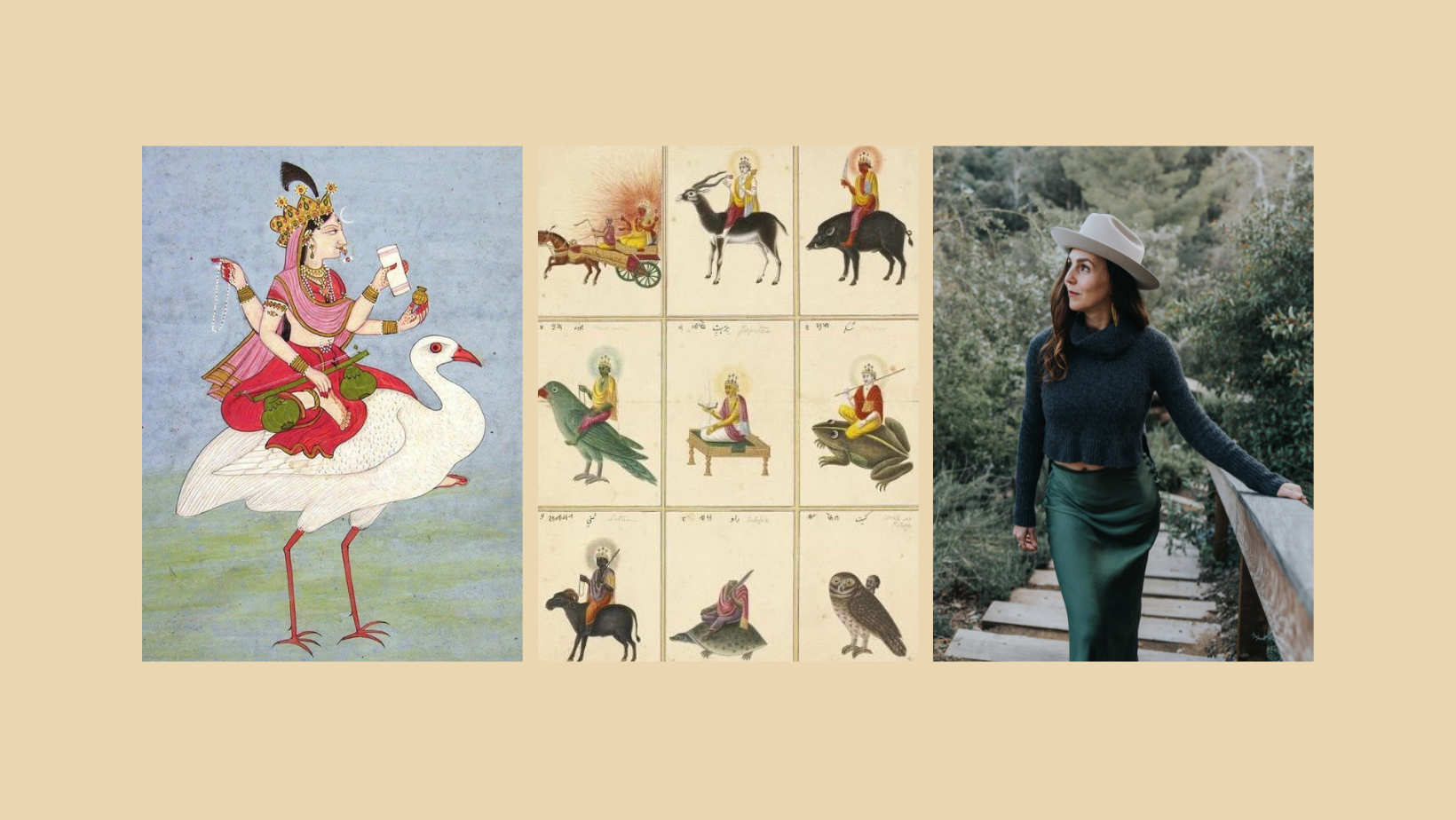
Artwork: Nasli and Alice Heeramaneck Collection, India, Himachal Pradesh, Nurpur, circa 1760-1770

On the fourteenth day of the bright half of the month of Vaiśākha, the festival honoring Narasiṃha Avatār,, the fourth incarnation of the daśāvatāra of Lord Viṣṇu, the man-lion, is celebrated.

Narasiṃha’s story begins with King Hiraṇyakaśipu’s brother being killed by Śrī Varāha, the boar. Seeking revenge, Hiraṇyakaśipu performs deep penance to obtain immortality. Pleased, Lord Brahmā (the creator) grants him a boon, rendering him invulnerable to any man or animal, among other stipulations. Arrogant and enraged, Hiraṇyakaśipu conquers the three worlds to avenge his brother.

The āsura king had a son, Prahlād, who was born a great bhākta of Lord Viṣṇu, having heard stories of him from Nārada Muni while in the womb. Hiraṇyakaśipu was outraged that his son would not accept him as God and tried many ways to convince him otherwise. After numerous failed attempts, he ordered his soldiers to torture and kill Prahlād.

Being a great devotee of Mahāviṣṇu, Prahlād surrendered completely, and the lord saved him from every attempt on his life. When Hiraṇyakaśipu questioned his son, while kicking a pillar, “Is your lord in the pillar too?” The pillar split, and the fierce half-man, half-lion Narasiṃha emerged to vanquish the oppressive āsura king and protect Prahlād, defying the very categories specified by Hiraṇyakaśipu's boon, and thereby subduing him.

The lord incarnates age after age to restore balance, protect the virtuous, and vanquish the wicked. Allegedly born from the sweat of Lord Śiva during his tapas, Maṅgal Graha (planet Mars) is said to be associated with the story of Narasiṃha.

Maṅgal is Deha Karaka or the indicator of the body, the heart, and the immune system, as he is the defense system within our bodies. He is the carrier of Agni (fire) tattva, the significator of one-pointed focus, the lord of logic, power, preservation, and violence. He represents protection, particularly the protection of the innocent. Maṅgal is also said to represent the suṣumṇa nadi (the central channel) in our body. 

 श्री लक्ष्मीनृसिंहाय नम:

AKṢAYA TṚTĪYĀ: Day of Lasting Achievements

Akṣaya Tṛtīyā

अक्षय तृतीया

Pinterest

Today marks the most auspicious day in the Vedic calendar, where both the luminaries, sūrya (sun) and chandra (moon) are in their exalted positions. Occuring on the third (tr̥tīyā) lunar day of the spring month of Vaiśākha, Akṣaya, meaning “never decreasing,” illuminates this day as a beacon of enduring accomplishments.

This auspicious occasion beckons new beginnings with unparalleled favorability, be it in the sacred bond of marriage, the initiation of ventures, the acquisition of gold or a new abode, or acts of benevolence. Such is its potency that the necessity of calculating an auspicious moment, known as muhūrta, becomes obsolete, for the entire day brims with divine blessings.

Today commemorates the denouement of the epochal Mahābhārata war, a pivotal event signaling the transition from Satyayuga, the golden age, to Tretāyuga, the silver era. It is also revered as the day when Lord Gaṇeśa and Veda Vyāsa commenced the writing of the Mahābhārata, and the moment when the celestial waters of river Gaṅgā decended from heaven to grace the earth realm.

This revered thiti (तिथि), or lunar phase, spans from 4:19 am 5/10 - 2:51 am 5/11 IST |  15:49 5/9 - 14:21 5/10 PST

New Moon in Bharaṇī: Star of Restraint

NEW MOON

अमावस्या

Artwork by Trisha Thomason Adams

May 7th 8:22 PM PST | 8th 8:52 AM IST

As we eagerly welcome the long awaited energies of May’s New Moon (Amāvásyā) aligned with the Vedic Lunar mansion of Bharaṇī भरणी (Aries), the Star of Restraint, we find ourselves standing at a doorway between worlds — a pivotal moment for purification and initiation into transformative new beginnings.

Bharaṇī Nakṣatra, associated with Yama Dev, the lord of the afterlife, beckons us to cleanse ourselves of impurities and embrace the germination of long-term plans and goals. It invites us to stand at the threshold, where the old is shed to make way for the new.

This lunation cycle marks the culmination of recent energies, revealing new aspects of ourselves and our lives—a delicate balance between self-discovery and interconnectedness.

We're being guided toward a revolutionary reconstruction—one that mirrors the assimilated revelations, lessons, and growth stemming from the encouraging turmoil of recent planetary shifts and changes.

Mercury is wrapping up its post-shadow period and awakens a huge potential for deep healing now. Notice what’s coming forward to be healed in order to usher in this next chapter. Jupiter's (Bṛhaspati) recent shift into Taurus prompts us to reflect on what truly nourishes us. It's a time for radical release, shedding what no longer serves us, to pave the way for rebirth.

This transformation will require forbearance, hard work and discipline, echoing the deeper wisdom found in the Yamas and Niyamas of the Yogasūtras. Exciting energies await us by the end of the month. Embrace this potent moment between sunrise and sunset, life and death. What leap are you willing to take?

For those seeking deeper insights and personalized guidance, I invite you to book a private consultation from my booking page. Let's navigate this potential for profound new beginnings together. All my relations - Tulsi 

Nisargadatta Maharaj // “Pain is physical; suffering is mental. Beyond the mind there is no suffering. Pain is essential for the survival of the body, but none compels you to suffer. Suffering is due entirely to clinging or resisting; it is a sign of our unwillingness to move on, to flow with life.”

Full Moon in Swāti: The Star of Self Actualization

Hanuman Jayantī

हनुमज्जयंती

Artwork from Pinterest

In northern India, today marks the auspicious occasion of Hanuman Jayantī, observed on the full moon (Purnima) in the month of Chaitra. Hanuman, the son of Vāyu (the wind god) and an ardent devotee of Rāmacandra, the seventh āvatār (incarnation) of Lord Viṣṇu, is regarded as the embodiment of unwavering devotion, courage, humility, friendship, strength, and selfless service.

The full moon reaches its zenith in the heart of Tulā (Libra) Rāśī (sign) on Tuesday evening (16:49 PST | 24th 5:19am IST), in the Vedic Lunar mansion of Swāti, the Star of Self actualization. 

With this full moon comes the fruition of the seeds planted at the time of the new moon in Revati (sidereal pisces). The new moon initiated a month of self sovereignty — a time for gathering details and holding a big picture perspective for that which we yearned to call into your life. As the full moon approached, many have been feeling exhausted and thirsty to embrace a shift.

The planetary combinations have been potent as of late. Both Mercury and Venus have been orbiting near the degree of the eclipse and the gaṇḍānta (karmic knot) point, situated at the culmination of the zodiac. Mercury has stationed and is poised to resume direct motion on the 25th, while Venus shifts into Meṣa (Aries) on the 24th. Mars moved into pieces today and Jupiter, having recently entered the constellation of Kṛttikā, will transition on the 30th, taking up its abode in Vṛṣabha (Taurus).

New awareness around love and relationships begin to dawn, healing of inner and outer divisions start to mend as this lunaation cycle accentuates a balance between individual growth and harmonious partnerships, highlighting the need for diplomacy and adaptability in achieving mutual understanding and progress.

Swati has the power to “scatter like the wind” — thus, we must stay adaptable yet firmly grounded. Loosen your grip on the idea that you have control over the outcome of your actions and act from a place of balance and responsibility — neither accepting nor resisting. Move beyond the idea of accomplishment and failure, winning and losing and know that big shifts take time. 

Saturn, renowned for his measured approach and capacity for restraint, finds exaltation in the constellation of Swāti. When our thoughts and focus disperse, our energy becomes scattered and immunity diminishes. When gathered, we're unstoppable. Saturn, ruler of the pañcavāyus (five yogic breaths), encourages us to exercise control over our breath, thereby harnessing our focus (dhāraṇā) and cultivating a strong foundation and mood of devotion.

As the tides shift and the storm begins to wane, focus your energy on the projects, people, and ideas that truly matter to you. Proceed with patience and release attachment to the fruits of your efforts — become self-sovereign in your listening and lean into the unknown. Remember the timeless wisdom of Lord Krishna in the Śrīmad Bhagavad Gītā, 'Act for the sake of action alone.' Become like Lord Hanuman, who is dear to Lord Viṣṇu — immerse yourself in the attitude of heart centered devotion, humility, and selfless service.

For my bi-monthly blog posts and more personalized guidance on how to navigate the current celestial waters, please visit the link in my bio to book a one on one consultation.

All my Relations
जय श्री राम

"This is love: to fly toward a secret sky, to cause a hundred veils to fall each moment. First to let go of life. Finally, to take a step without feet." - Rumi