
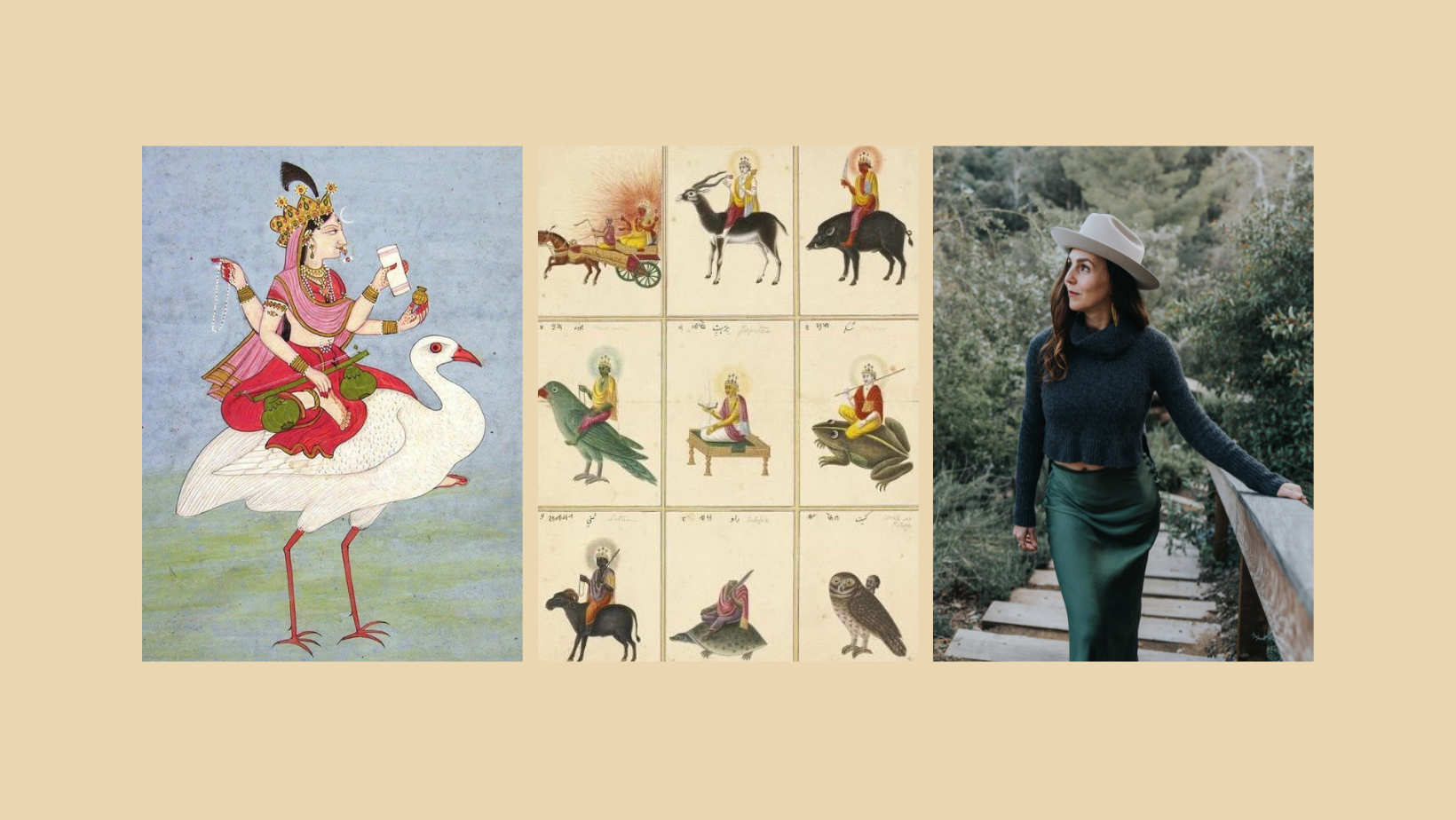
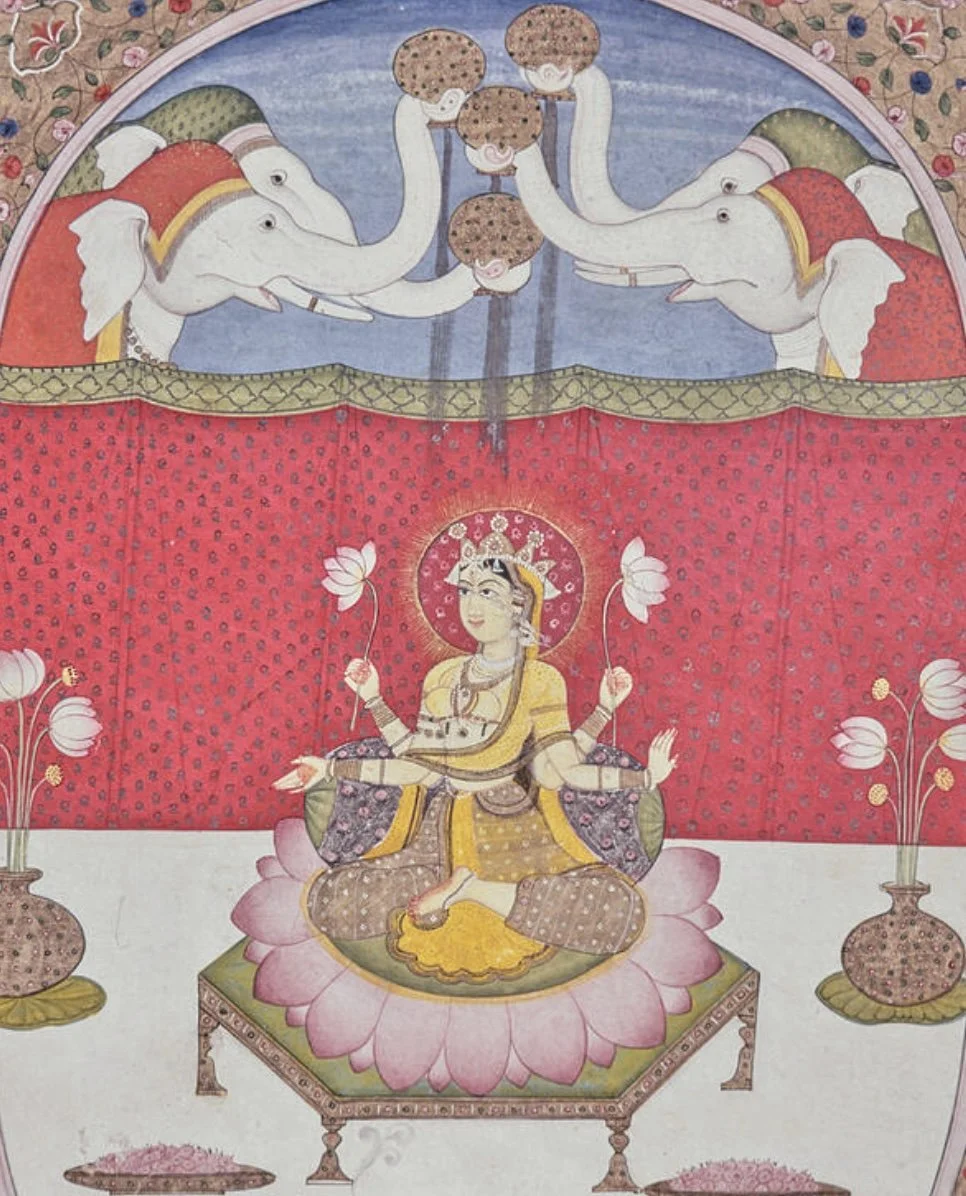
Sunday marks the most auspicious day in the Vedic calendar, where both the luminaries, sūrya (sun) and chandra (moon) are in their exalted positions, occurring on the third (trtīyā) lunar day of the spring month of Vaiśākha. Aksaya, meaning “never diminishing,” illuminates this day as a beacon of enduring accomplishments—also known as the day of lasting achievements.
This auspicious occasion beckons new beginnings with unparalleled favorability, be it in the sacred bond of marriage, the initiation of ventures, the acquisition of gold or a new abode, or acts of benevolence. Such is its potency that the necessity of calculating an auspicious moment, known as muhūrta, becomes obsolete, for the entire day brims with divine blessings.
Trtīyā Tithi
IST: April 19, 10:49 AM – April 20, 7:27 AM
PDT: April 18, 10:19 PM – April 19, 4:57 PM
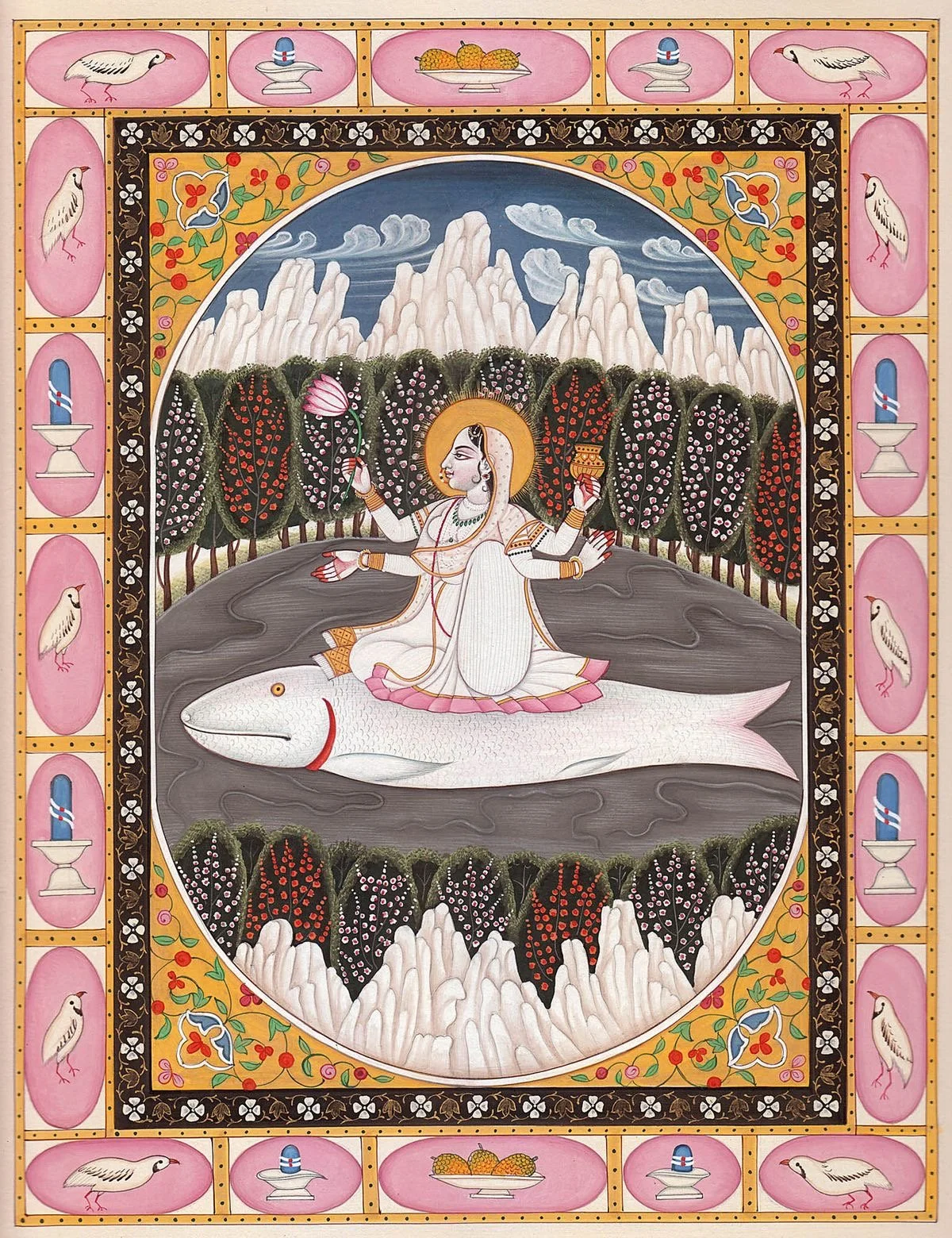
Sunday commemorates the denouement of the epochal Mahābhārata war, a pivotal event marking the transition from Satya Yuga, the golden age, to Tretā Yuga, the silver era. It is also revered as the day when Lord Gaṇeśa and Veda Vyāsa commenced the writing of the Mahābhārata, and the moment when, through King Bhagīratha’s penance, the celestial waters of Gaṅgā descended from Svarga Loka to grace the earthly realm.
This day is further sanctified by the celebration of Mātangī Jayantī, honoring the Mahāvidyā who embodies knowledge, creativity, and the mastery of sacred speech. Governing the subtle realms of sound and thought, Mātangī refines perception and harmonizes the mind with the cosmic rhythms of truth. She holds a deep connection to Sūrya Graha—the illuminator of consciousness and the eternal ātman (Self)—guiding the soul’s expression through the purity of voice, wisdom, and inner sovereignty.
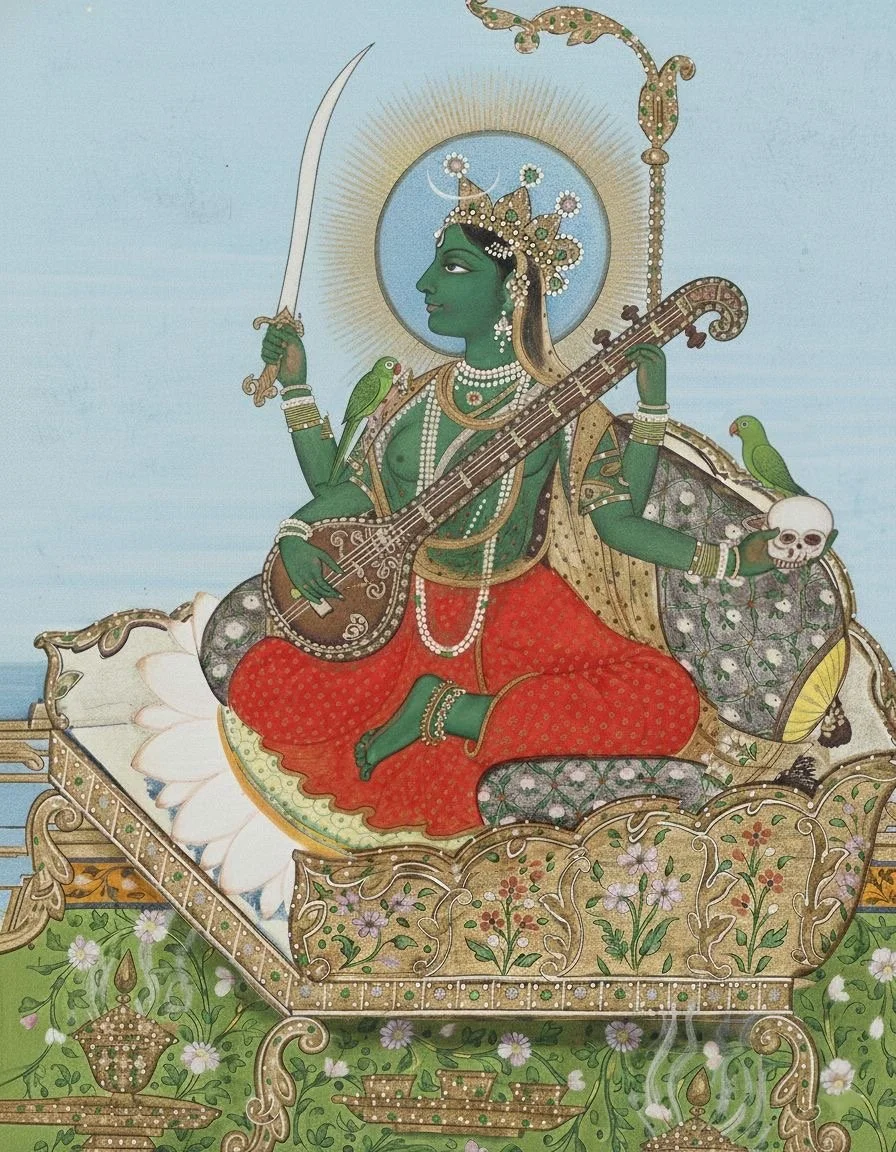
Artwork: @bhobhoniya on Pinterest
Finally, Aksaya Trtīyā also coincides with Paraśurāma Jayantī—the birth anniversary of Bhagavān Paraśurāma, the sixth avatāra of Viṣnu, the divine warrior-sage, connected to Śukra Graha (Venus), whose fierce incarnation saw him wield the paraśu (axe) against the ksatriya (political/ruling) seat to restore dharma and renew a more righteous society.
ॐ नमो नारायणाय | Om Namo Nārāyanāya
All my Relations, Tulsi