FULL MOON LUNAR ECLIPSE
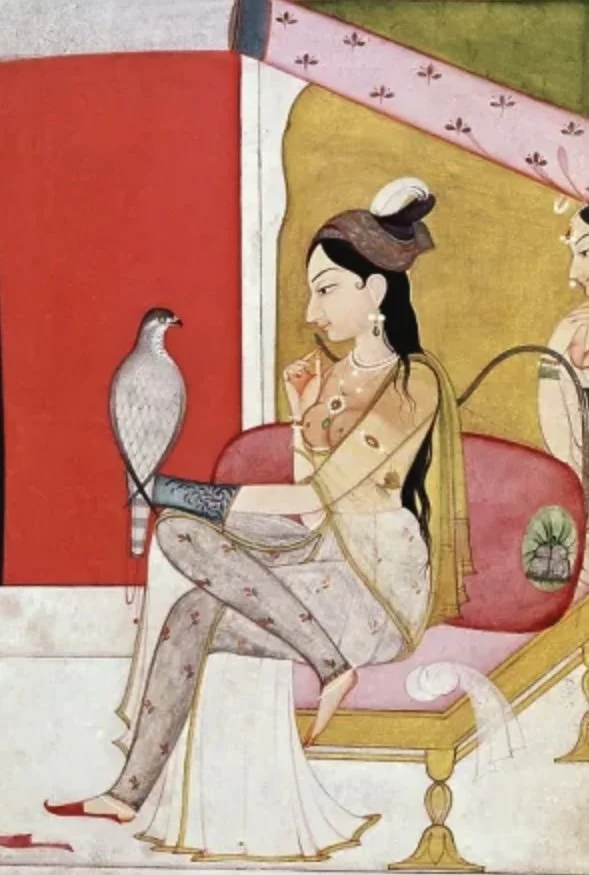
Pahari Style, Punjab Hills, c.1750
03.03.2026
Eclipse season culminates with a total lunar eclipse (candra grahaṇam चन्द्र ग्रहणम्) on March 3rd in the Vedic Lunar Mansion of Pūrva Phālgunī पूर्वफल्गुनी (Sidereal Leo) — the Fruit of the Tree.
Lunar eclipses are thresholds. The veil between seen and unseen grows thin; what is ready to be healed rises to the surface. This cycle urges us to refine our inner compass, untangle an old karmic pattern, and release what no longer belongs in our becoming.
Emotions may heighten. Truths long concealed come to light. With the Moon eclipsed, we may find ourselves at a crossroads — uncertain, weary, or on the verge of change. Yet within this threshold is a promise: a shift in trajectory. A recalibration of desire.
In Sanskrit, phala means fruit, and guṇī relates to qualities. Represented by the legs of a bed or a hammock, activated by Venus, this constellation symbolizes rest, pleasure, and the enjoyment of merit earned through past action. Its deity is Bhaga — the bestower of delight, distributive fortune, and the capacity to savor what has been given. It is also counted among the birth stars of Guru and Maṅgala.
Pūrva Phālgunī carries Prajānanda Śakti — the power of procreation, the union of polar opposites, the fertilizing current that enlivens creativity and sensual intelligence. Yet under an eclipse, we are asked to examine where pleasure has become attachment, where rest has become stagnation, and where desire has quietly shaped destiny — especially within our relational bonds.
This star governs union. And under shadow, union reveals its karma.
Bondage with others may surface. Personal prabhā intensifies — exposing and burning relational patterns formed through projection, entanglement, or unconscious exchange.
The star of fertility is both courageous and visionary, much like its bird medicine, the eagle. This eclipse awakens within the heart the courage to face the tests and initiations presented to us — urging us to rise above the shadows of past experiences and open to a higher vantage point.
When we pursue what we truly desire, tests and traumas often arise to meet us. Many are standing at a threshold of major transition — confronting the unknown, reassessing the architecture of life itself.
All activity depends on periods of non-activity.
After facing worldly battles and fulfilling our duties and responsibilities, there follows a necessary period of rest, relaxation, and integration. Pūrva Phālgunī teaches that complex problems can be resolved in a relaxed state, and that yoga trains us to be at ease in the presence of the Unknown. This period serves as the muse that kindles our creative intelligence and effortless action.
The Yogasūtra (2.47) affirms that through the relaxation of effort and absorption in the infinite, action becomes effortless — rooted in Being itself
This eclipse is not merely about creative momentum. It is about creative maturity. It is about refining how we love, how we create, how we seek enjoyment — merging practicality with pleasure, sovereignty with union.
This is a potent window for deep personal sādhana — especially where the eclipse is visible (United States, parts of Europe, Africa, and South America). The ancients regarded eclipses as sacred intervals — consuming less, fasting, turning inward, and safeguarding the subtle body so that the inner channels remain clear.
Keep life simple during the eclipse hours. Favor restraint. Fasting, meditation, mantra japa, and contemplative silence are recommended. For most, it is wise to postpone major decisions and commitments until the eclipse has passed — ideally allowing the energy to land and integrate through 03.21.
A breakthrough awaits. Old patterns may resurface — resist grasping. Let them dissolve.
What familiar relational holding pattern is ready to be released?
Total Lunar Eclipse in Pūrva Phālgunī (Leo)
3:37 AM PST | 17:07 IST
Eclipse window:
00:44–06:23 AM PST
14:14–19:53 IST
Holi, Mahā Lakṣmī Jayantī, and Gaura Pūrṇimā
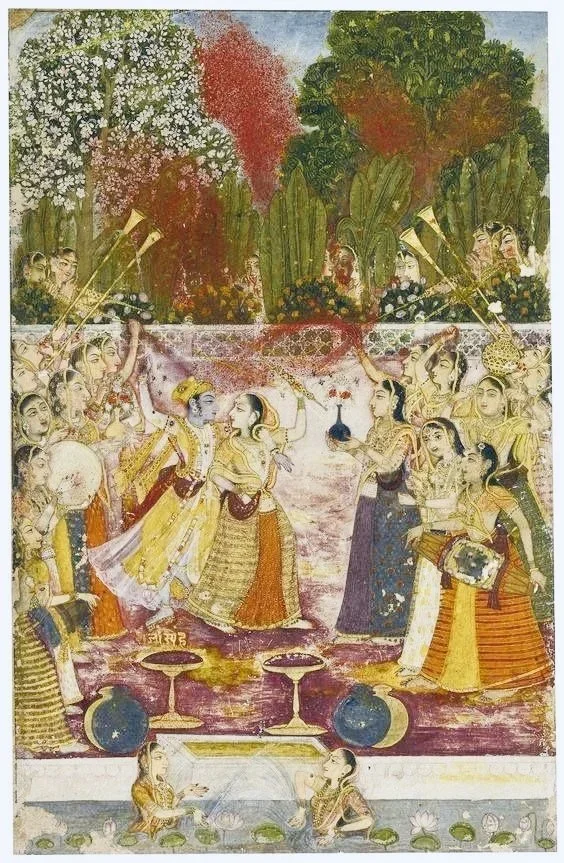
This Full Moon, the Pūrṇimā (पूर्णिमा) of the month of Phālguṇa, also marks the convergence of several auspicious Vedic observances — Holī, Mahā Lakṣmī Jayantī, and Gaura Pūrṇimā — each carrying its own current of renewal and revelation.
This festival not only marks the arrival of Spring but also signifies the triumph of dharma over adharma—good over evil—and the Holī, the Festival of Colors, is deeply intertwined with the theme of the eternal and divine love between Rādhā and Kṛṣṇa (the 8th avatāra of Lord Viṣṇu), symbolized by the playful act of adorning one another’s faces with vibrant hues.
This festival not only marks the arrival of Spring but also signifies the triumph of dharma over adharma — good over evil — and the ascendancy of sattva (the creative, harmonious force) over tamas (ignorance and destruction).
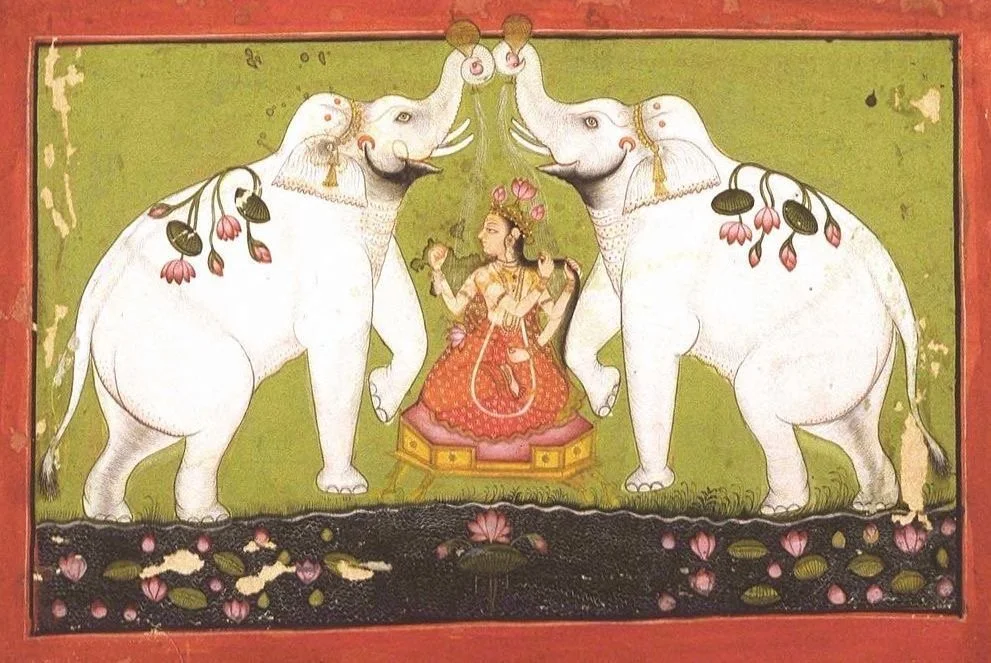
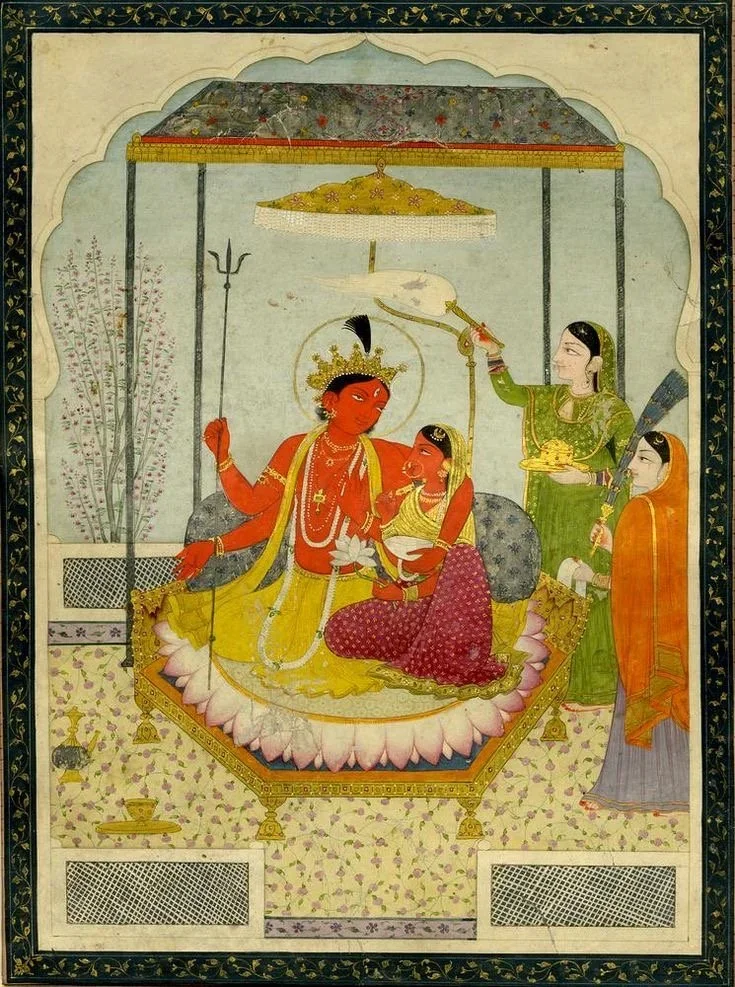
Mahā Lakṣmī Jayantī honors the divine manifestation of Goddess Lakṣmī during the Samudra Manthana, the great churning of the Ocean of Milk. The Devas and Asuras labored in opposition to obtain Amṛta, revealing both poison and treasure in the process.
When Mahā Lakṣmī emerged from the ocean, she immediately took residence in Lord Viṣṇu’s heart. Her appearance bestows eightfold blessings, embodying abundance and devotion, guiding devotees toward both prosperity and spiritual well-being and the grace of making the right decision.
Gaura Pūrṇimā commemorates the birth of Śrī Caitanya Mahāprabhu, a seminal figure within the bhakti traditions of India. Born during a Lunar Eclipse in West Bengal, Mahāprabhu is understood as the combined incarnation of Lord Kṛṣṇa and His foremost devotee, Śrīmatī Rādhārāṇī. His descent carried a twofold purpose: to taste the depth of Rādhā’s love for Kṛṣṇa and to reveal the path of wholehearted surrender through nāma-saṅkīrtana.
All My Relations