Venus Retrograde in Svātī: The Star of Self-Actualization

VENUS RETROGRADE

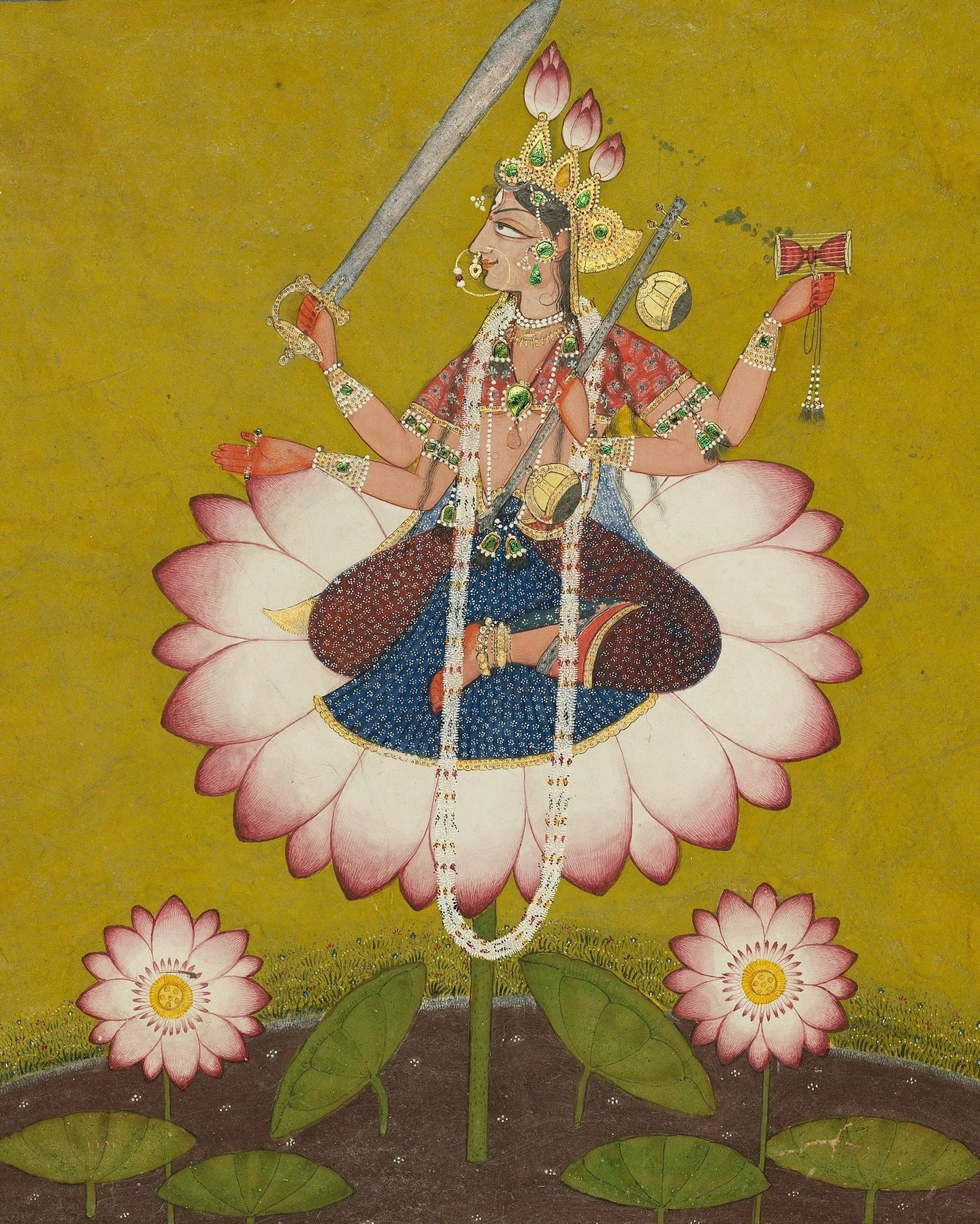
Devi on a Lotus Throne,” c. 1660 (with later additions), Northern India, Pahari region (Basohli and Kangra)

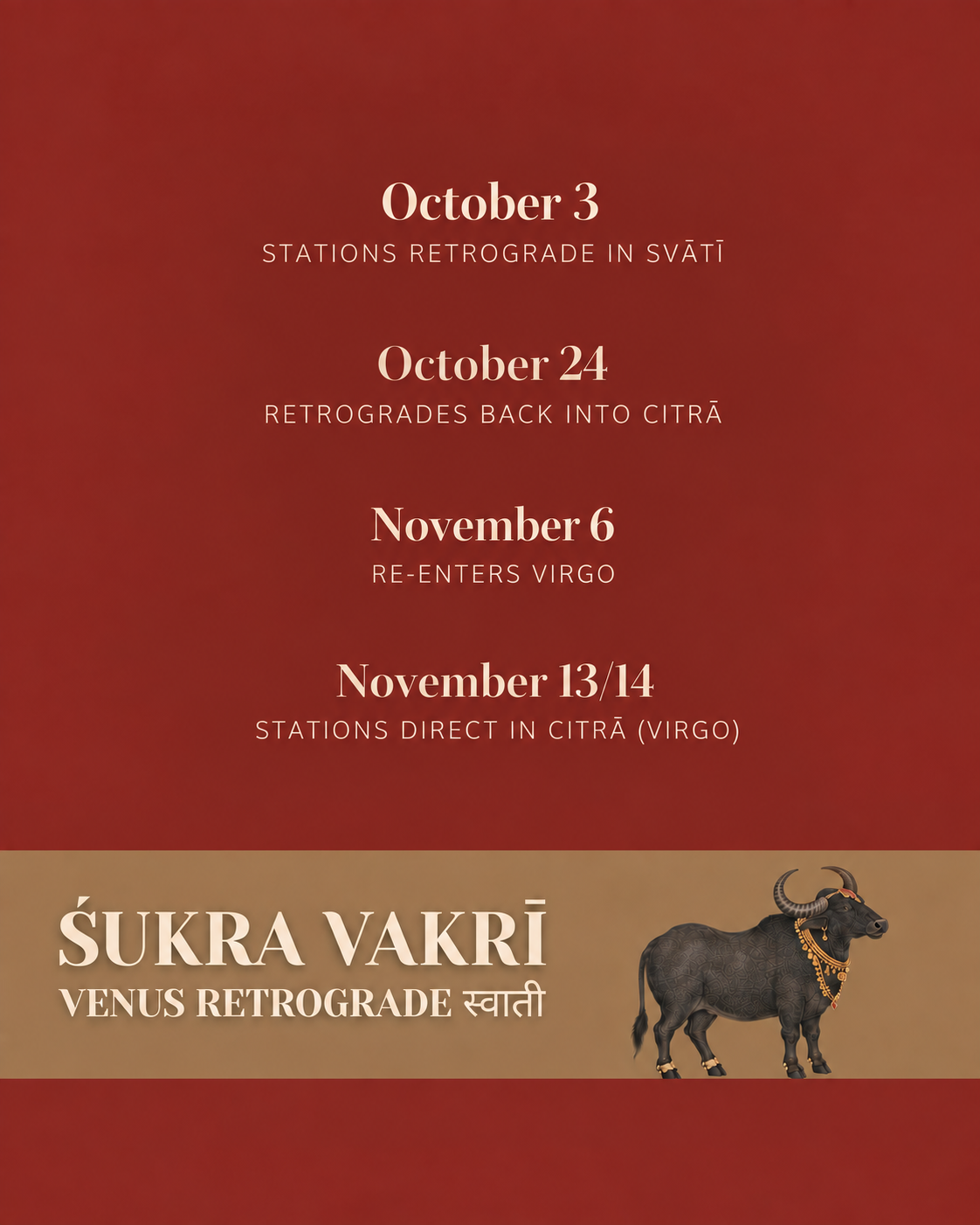
10.03 to 11.13/14

Stations Retrograde in Svātī

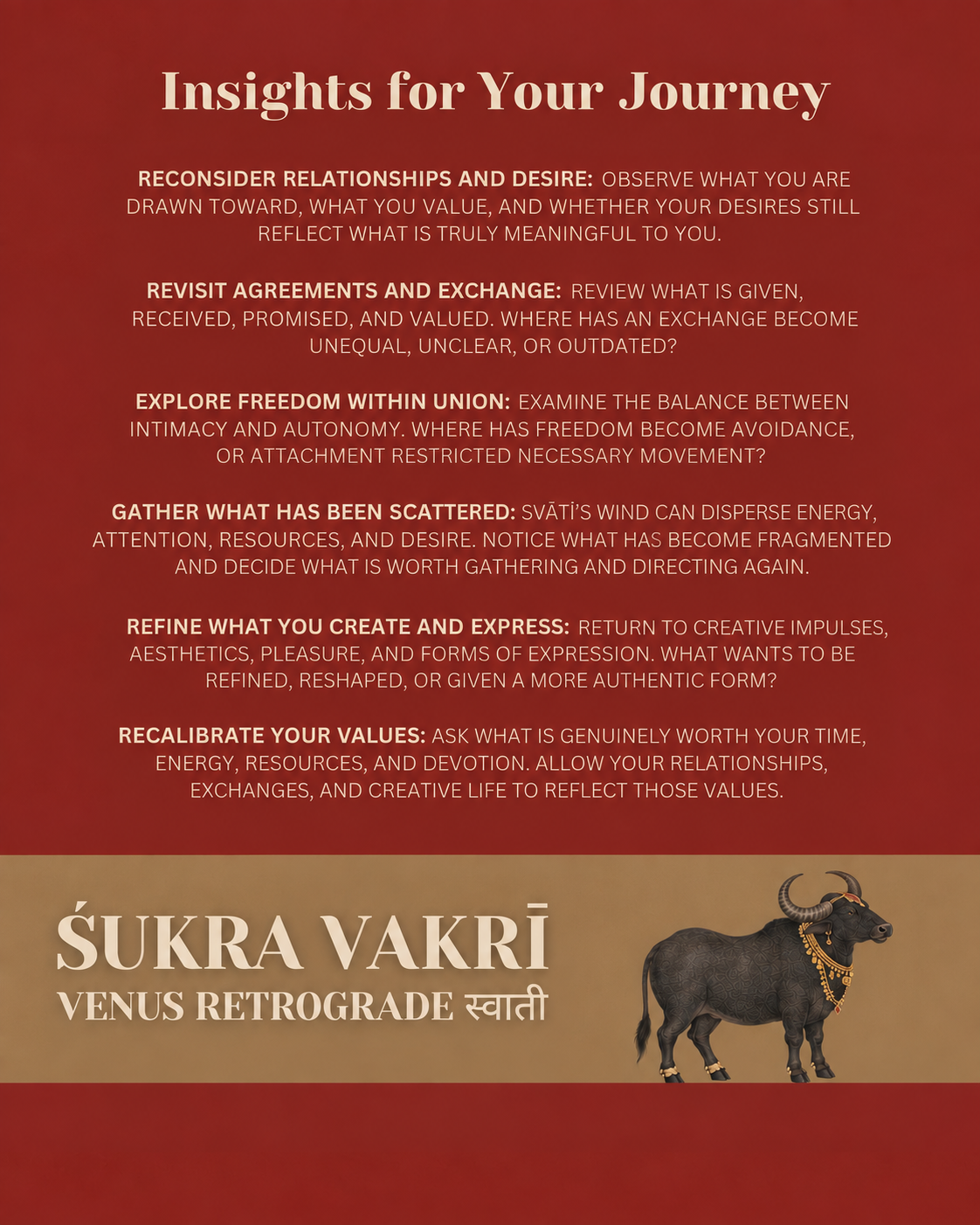
On October 3, Venus stations retrograde in the Vedic Lunar Mansion of Svātī, the Star of Self-Actualization and the seat of Vāyu. This begins a 42-day period of reconsideration around relationship, desire, value, creativity, pleasure, and exchange.

Śukra is the revered graha of devotion, justice, relationships, divine love, restoration, virility, and the enjoyment of embodied life. One of the Jñāna Kārakas, Venus is also a kāraka of union, yoga. As Śukrācārya, teacher of the Asuras, he holds Sañjīvinī Vidyā, the knowledge through which what has died may be restored to life.

The retrograde cycle of Venus carries this principle of death, regeneration, and rebirth. As Venus disappears from the evening sky and eventually reemerges as the morning star, matters governed by Śukra are drawn inward for examination. Relationships, desires, creative impulses, resources, agreements, and our understanding of what is truly valuable may return to be reconsidered.

Venus moves in an eight-year rhythm, returning to nearly the same place in the sky. Śukra last retrograded through Svātī and Citrā in October and November of 2018. Reflect on what was moving in your relationships, creative life, and sense of worth at that time, and notice what has truly evolved since.

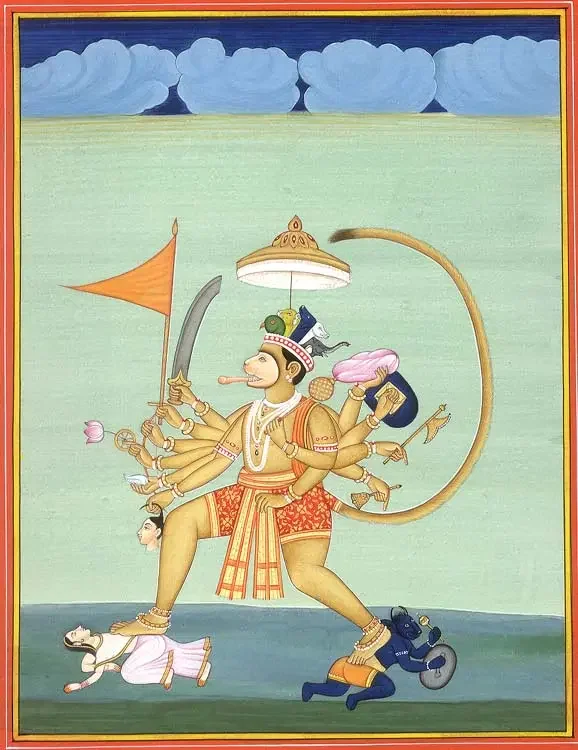
This cycle begins in Svātī, governed by Vāyu, devata of the wind and the vital movement of prāṇa. Independent and self-moving, Svātī carries the capacity to adapt, disperse, and find its own course. Its association with commerce and exchange also draws attention to what passes between us: what we give, what we receive, and the value assigned to each.

Its śakti, pradhvaṁsa śakti, holds the energy to scatter — to disperse like the wind, dissolving form, diffusing energy, and transforming through movement. And yet, within this same current lies the deeper invitation — to gather, to recollect, and to direct that which has been scattered.
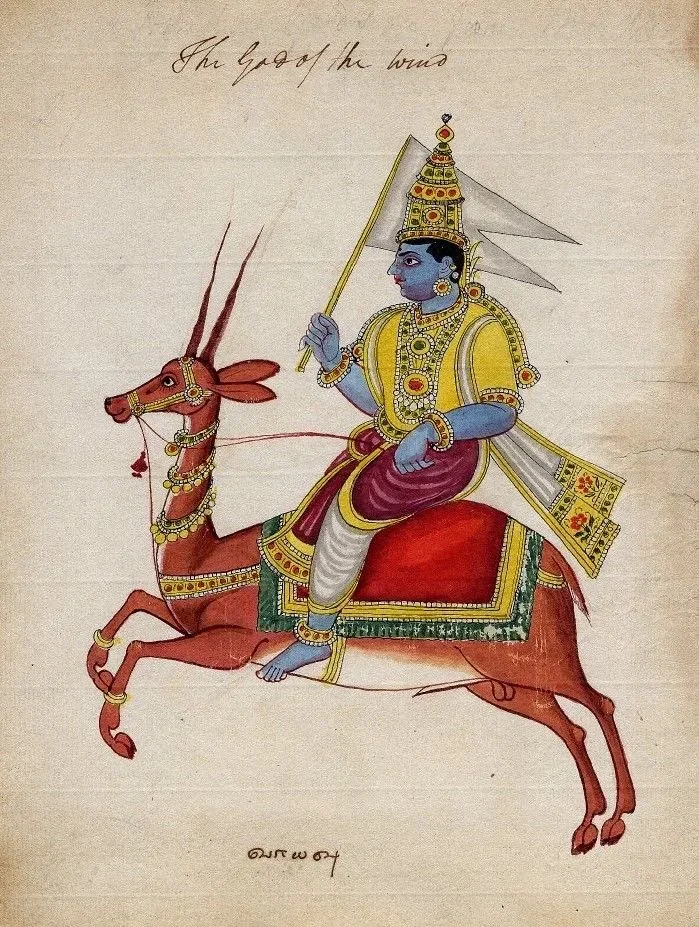
Its symbol, the tender shoot swaying in the wind, speaks to all that is newly reborn — full of life, yet easily disturbed. Svātī is also the seat of Śani's exaltation. The great regulator offers the counterweight to dispersion through patience, restraint, and the discipline to gather prāṇa and give it direction.

Here, Venus, the kāraka of union, meets a nakṣatra that requires freedom. Yet Svātī sits at the heart of Tulā, his mūlatrikoṇa and the natural 7th, the kāma house of partnership. As the marketplace, Tulā is the rāśi most in need of balance, weighing what is given against what is received. Union and independence share this ground, and the retrograde asks whether they can be held together.

The retrograde may illuminate the relationship between intimacy and autonomy. Where has freedom become avoidance? Where has attachment restricted necessary movement? What have we exchanged in order to preserve relationship, pleasure, security, or desire? Can union exist without the loss of sovereignty?

This is a time of recalibration. Evaluate past behavior and revisit agreements, the handshake of Tulā: what was promised, what was exchanged, and whether it still holds true.

Śukra is the enjoyer, gaining knowledge through experience, the senses, and complete absorption in the object of desire. At his highest expression, this capacity for absorption becomes the means through which separation dissolves. Śukra becomes a maker of Samādhi.

Retrograde motion turns that faculty of discernment back upon desire itself. Old relationships, attractions, creative impulses, agreements, or patterns of relating may reappear, not necessarily to be restored, but to reveal what has and has not transformed.

On October 24, Venus retrogrades back into Citrā, where the process moves from Svātī's questions of freedom and exchange toward reconsidering what we are fashioning into form, refining, and breathing life into. Venus stations direct in Citrā on November 13/14 before eventually returning to Svātī.

The Descent and Return
Venus is last visible as the evening star on October 12. On October 24, Śukra reaches inferior conjunction, passing between the Earth and the Sun. This is the threshold of the cycle, the symbolic death, where what has been held in the light is surrendered to darkness.

Here Śukra meets Sūrya in Tulā, where the Sun is nīca. Untempered, the radiance of the Self can consume, overextend, and disperse vitality. The Mahāvidyā of this placement is Mātaṅgī, who embodies knowledge and creativity, the divine powers of speech, music, and creative expression. She invites us to refine our words, listen beneath habitual noise, and recognize the Divine intelligence moving through every form of expression. As Ucchiṣṭa Mātaṅgī, she receives offerings others consider impure, a reminder that sacredness is not confined to what is ritually clean.

On October 29, Venus rises again before dawn as the morning star. What returns from darkness returns clarified.

Pay close attention if you have planets, the Moon, or your Lagna in Tulā, particularly in Svātī or Citrā, or if you are running a period of Śukra, Rāhu, or Maṅgala.

Svātī reminds us that movement does not always signify departure. Sometimes space allows something to breathe, change form, and reveal whether it can remain connected without being bound.

Not everything that returns is meant to remain. Not everything that changes direction has lost its way.

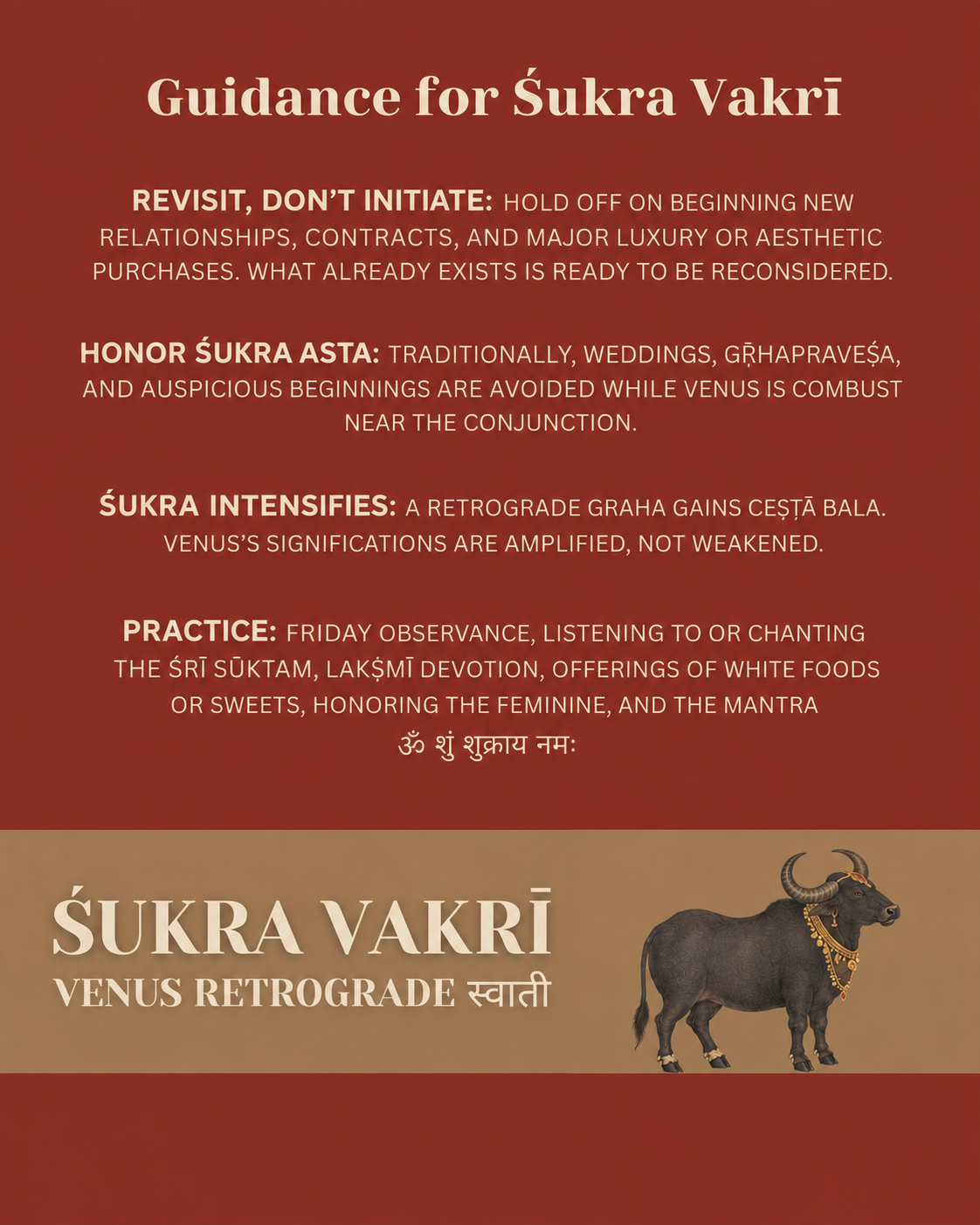
All My Relations | ॐ शुं शुक्राय नमः


Visibility dates for New Delhi, India.

  • Last visible as an evening star: October 12, 2026

  • Inferior conjunction: October 24, 2026

  • First visible as a morning star: October 29, 2026


Venus Retrograde in Uttara Bhādrapadā: The Warrior Star

Venus Retrograde in Uttara Bhādrapadā

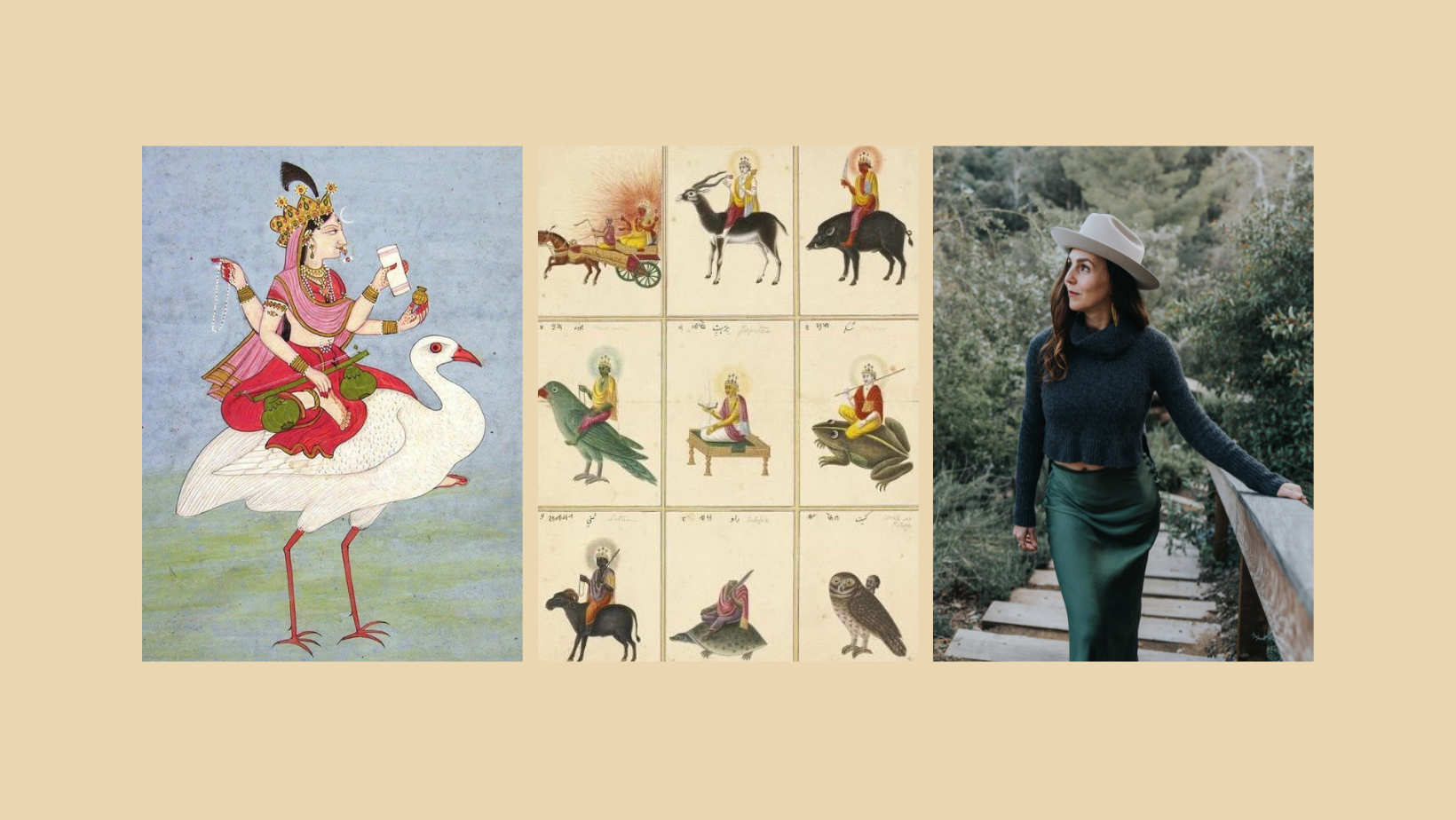
Artwork: Pinterest | Edit by @turiyacollection

March 1st - April 11th

Today, Venus retrogrades (vakrī वक्री) in the Vedic lunar mansion of Uttara Bhādrapadā (sidereal Pisces) उत्तरभद्रपदा, the Warrior Star. This mystical asterism is connected to the fertility of both earth and sky, the realm of dreamtime, and the excavation of the unconscious. It harmonizes universal mind, beckoning us to uncover hidden wisdom through humility, experience, and self-sacrifice—an energy that is transformative and karmic.

Śukra Graha, the revered planet of devotion, divine love, justice, restoration, relationships, and virility, is one of the three Jñāna Kārakas (significators of knowledge) and the Kāraka of union (yoga) and transportation.

In this retrograde through Uttara Bhādrapadā, Venus invites us to reflect on our emotional patterns and relationships, urging us to examine whether they align with our highest self. It is a time to reassess, reimagine, and review our connection to love, provisions, creativity, and self-worth.

The retrograde cycle offers us a sacred pause, encouraging us to consider how we might balance our lives by harmonizing the internal and external worlds. As Śukra transits this deeply transformative space, it becomes a moment to ask: Are the connections we are nurturing authentic, or are we simply repeating old patterns from the past?

Guru Śukrācārya, the holder of Sanjīvinī Vidyā, possessed the sacred wisdom to revive the dead. This knowledge aligns with the synodic cycle of Venus, which spans 584 days. Venus follows a rhythm of life, death, and rebirth: it is visible on the eastern horizon at sunrise for 263 days (symbolizing birth), disappears for 50 days (symbolizing death), and reappears as the evening star on the western horizon for another 263 days (resurrection/regeneration), only to disappear again for 8 days before the cycle repeats.

As Venus prepares to relinquish its reign as the evening star, we enter a rite of passage, confronting and healing old shadows and wounds. This transition, known as the inferior conjunction, occurs when Venus passes between the Earth and the Sun, disappearing from view for approximately 8 days. It then reemerges as the morning star, marking a symbolic rebirth.

Venus will be last visible as the evening star on March 19th. After this, it will disappear until March 23rd, when it enters its inferior conjunction and remains invisible for 8 days. The planet will then reappear as the morning star on March 26th. This pivotal transition mirrors the process of death and rebirth, offering us an invitation to reflect on our own cycles of transformation.

Venus follows a distinct rhythm, retrograding every eighteen months as part of an eight-year cycle. Reflecting on the lessons of the last Venus retrograde in 2017, we are invited to revisit themes from that time, particularly concerning relationships, creative projects, and emotional healing. Much like its celestial dance in 2017, this retrograde prompts us to assess whether our relational dynamics and emotional patterns have truly evolved since then.

On February 27th, Mercury entered Pisces, where it is debilitated—a position that can present as confusion, miscommunication, and difficulty maintaining clarity of thought. Adding complexity, Mercury will conjunct Venus retrograde on March 2nd, amplifying the need for introspection in matters of love, communication, and creativity. This alignment calls us to look inward, particularly regarding past relationships and unspoken thoughts that need to be aired or healed.

On March 15th, Mercury will also turn retrograde, amplifying the energies of reflection, review, and rethinking—especially around how we express ourselves emotionally and intellectually. This upcoming Mercury retrograde cycle, lasting until April 4th, will further invite us to slow down, reevaluate communication, and revisit unresolved issues from the past. A more detailed blog post on this will follow soon.

Artwork; Pinterest

Śukrācārya, as the Guru of the Āsuras, was known for his protection of his people. He is also associated with Paraśurāma, the sixth incarnation of Lord Viṣṇu. Paraśurāma's story is among the most violent of the incarnations, as he wielded an axe against the Kṣatriyas (warrior/political class) to rebuild a better society.

Pay close attention to where you draw lines between "your people" and others—and what you are willing to do to obtain and maintain your position or seat. Notice the actions that arise from a sense of injustice, particularly if fueled by vengeance or a desire for retribution.

Śukra's narrative is often linked to blindness or arrogance, reflecting a misalignment between one’s self-perception and the views of others. This can manifest as seeing oneself as either superior or inferior, diverging from reality.

Śukra Graha is the enjoyer—the one who delights in all sensory experiences: music, good company, fine food, mantra, and meditation. Venus imparts wisdom through experience, calling for complete absorption. He is the Samādhi maker, invoking unity with the divine at his highest octave.

This is beautifully exemplified in the story of MahāLakṣmī, who resides in Viṣṇu’s heart, as well as in the lives of saints born with Śukra in Pisces in their charts—embodiments of supreme devotion and the boundless grace of divine love.

As we navigate the deep waters of this transit, the energies associated with Śukra’s karakas will be amplified, requiring thoughtful self-reflection and a container for introspection. Pay close attention if you have major planets, your moon, or your Lagna (rising sign) in Pisces, or if you are currently running a cycle of Venus or Saturn.

This Venus retrograde in Uttara Bhādrapadā invites us to explore the depths of our relationships and creative pursuits, unraveling karmic patterns and allowing us to emerge transformed. Use this time wisely, for it is through wisdom, experience, and self-reflection that we can find clarity and renewal.


All My Relations | ॐ शुं शुक्राय नमः

Brene brown // “Vulnerability is not winning or losing; it's having the courage to show up and be seen when we have no control over the outcome. Vulnerability is not weakness; it's our greatest measure of courage. A lot of cheap seats in the arena are filled with people who never venture onto the floor.”

Venus Retrograde Key Dates and Transitions

  • January 28th: Venus enters Pisces

  • February 1st: Venus enters Uttarabhadrapada (Pisces)

  • March 1/2: Venus Retrogrades in Uttarabhadrapada (Pisces)

  • April 12/13: Venus Stations Direct in Purvabharapada (Pisces)

  • May 31st: Venus enters Aries


These dates mark the transition of Venus from an evening star to a morning star.

  • Last visible as an evening star: March 19, 2025

  • Inferior conjunction (invisible): March 23, 2025

  • First visible as a morning star: March 26, 2025

New Moon in Punarvasu: The Star of Renewal

Amāvásyā

The sun and moon align for July’s dark moon on today at 20:32 (Spain) 11:32am PST in the Vedic lunar mansion of Punarvasu पुनर्वसु, (sidereal Cancer), the Star of Renewal. This nakshatra is symbolized by a quiver of arrows, holds the power to bestow prosperity and represents the light that returns after a storm. 

There is a feeling in the air that energy and resources are now at your command. A sense of hope around creating lasting stability and a new beginning is forged around how we nurture and take care of ourselves. An initiation of the heart steps forward as Venus stations retrograde and provokes interpersonal shadow work. 

The pulse for this month encourages integration of wisdom through experience and revitalization of mind, family, and security. Arrows are associated with movement and encourage us to strive, or move towards our objective. An opportunity for up-leveling is available. These particular arrows are thought to be magical, once released and the objective has been obtained, they circle back around. Just like that, this renewal of energy brings with it hope for a second chance and leaves the impression of a positive transformation from darkness to light.

You may be feeling a little restless, as if you’re taking two steps forward and four steps back and thirsty to move to the next phase. Just like nature appears to be more refreshed and harmonious after a storm, this new moon brings with it a breath of fresh air — a renewal of sorts. You may feel called to amp your energy up to the next level. If you choose to pick up the pace, know that it’s easy to lose perspective and awareness when gaining momentum.

Stay one pointed with your focus on your priorities. Release that which is distracting you from your desired destination and make sure you’re ready to commit fully to whatever you’re choosing. Move one step at a time, and keep your action steps and goals to yourself. Stay present, expand your awareness, and keep the big picture perspective. Don’t compromise your long term visions for the quickening of your current process. Stabilize into your purpose, ground your emotions and tend towards family and relationship healing.

As we continue to move through a collective course correction, matters of the heart step front and center. A new tune plays as Shukra (Venus), the planet of union, creativity, love, and affection, retrogrades in the constellation of Magha (sidereal Cancer) July 22nd through September 3rd. Do your best to stay open and as a witness to what is coming forward to be learned and healed around relationship. Track a little deeper and take your time to navigate matters of the heart.

With the New Moon, many set their intentions for the month. Contrary to popular belief, did you know that the most ideal time to set intentions is 24 hours AFTER the new moon? That's when the energy has begun to build up more momentum. What self care practices are you looking to commit to with this powerful energy of renewal?

Adhika-māsa

Today marks the beginning of a special month in the Hindu calendar that occurs approximately every three years, known as Adhika-māsa or Purushottam māsa. This intercalary month holds great significance as it serves to reconcile and equalize the difference between the lunar and solar calendars.

In a typical Hindu lunar calendar, twelve months are calculated based on the phases of the moon, known as tithis, spanning approximately 354 days. This is referred to as the synodic year. On the other hand, the modern solar year is around 365 days long due to Earth's orbit around the sun. Have you ever considered that the sun moves one degree per day and that there is 360 degrees in a circle? (for more information, check out my article on the difference between Vedic and Western astrology and the 360-day solar year).

This additional month carries a unique spiritual significance and is considered prosperous, offering us an opportunity to deepen our spiritual practices. According to legend, it is believed that any recalibration to oneself is amplified during this auspicious month. Aligning with the new moon in Purnarvasu (Cancer), it becomes a beautiful month to focus on self-care, calibration, nourishment, and attuning with our spiritual sādhanā (practices).

To book a private consultation and talk about what the current planetary alignment means for YOU please visit Vedic Astrology Consultations. All my relations

Toko-pa-Turner // “To be baffled and obstructed is what engages creativity. This is the practice of poets, dreamers, and artists alike: to show up at the frontiers of uncertainty where we are met by ten thousand things. We practice there, on the verge, amateur and unprepared, at being friendly - or at least willing - towards the discomforts of our confusions. As Rumi says, ‘Sell your cleverness and buy bewilderment!’