
GAṄGĀ DAŚAMĪ
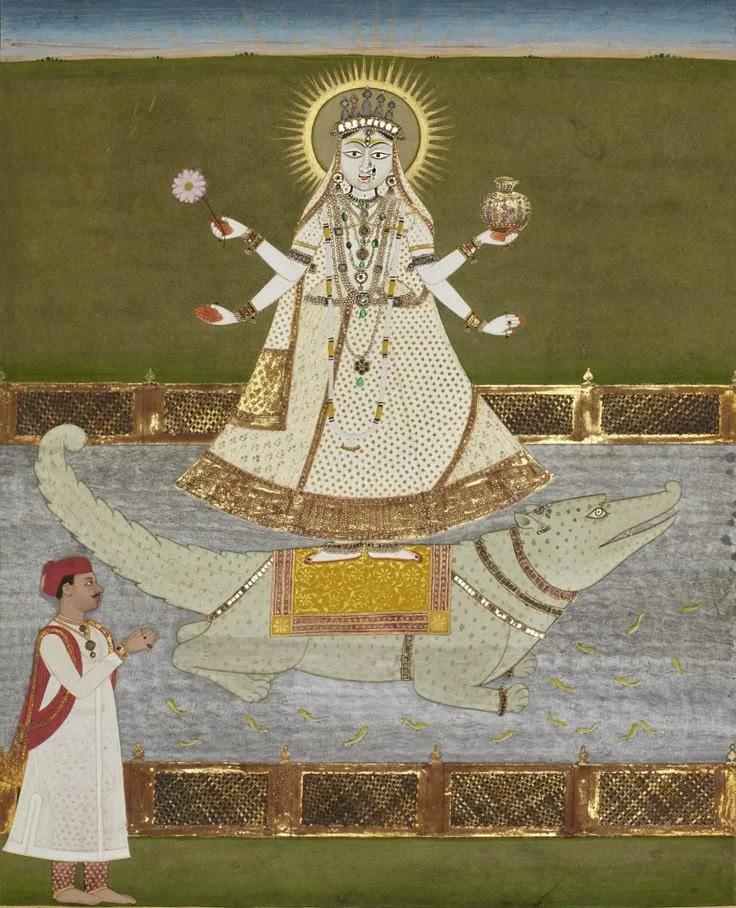
Artwork: King Bhagīratha and the Goddess Gaṅgā, Jaipur, 18th century | Sotheby’s
05.25.26
This sacred observance falls upon the Daśamī tithi, the tenth lunar day of the waxing Moon in Jyeṣṭha, commemorating the Gaṅgāvatāraṇa — the descent of Gaṅgā Devī from the celestial realms into Earth.
Her descent did not arise casually, nor through the merit of kings alone, but through generations of unresolved karma carried within the Ikṣvāku lineage.
The story begins with King Sagara, whose sixty thousand sons followed the consecrated horse of the Aśvamedha yajña into the subterranean realms. There, beside the horse, sat Ṛṣi Kapila immersed in samādhi — absorbed in the stillness born of immeasurable tapas.
Blinded by pride, the princes accused the Ṛṣi of theft and disturbed his meditation.
Kapila opened his eyes.
In that single glance, charged with the fire of perfected tapas, all sixty thousand were reduced to ash. Their bodies perished instantly, yet their souls remained suspended — neither liberated nor returned to the ancestral realms.
Sagara’s grandson Aṃśumān sought the counsel of Kapila and learned that only the waters of Gaṅgā could release them. He could not bring her down. His son Dilīpa also failed. At last the undertaking passed to Dilīpa’s son, Bhagīratha.
Renouncing the throne, Bhagīratha entered the Himālayas and undertook austerities for thousands of years until Brahmā granted Gaṅgā’s descent.
Yet another obstacle remained.
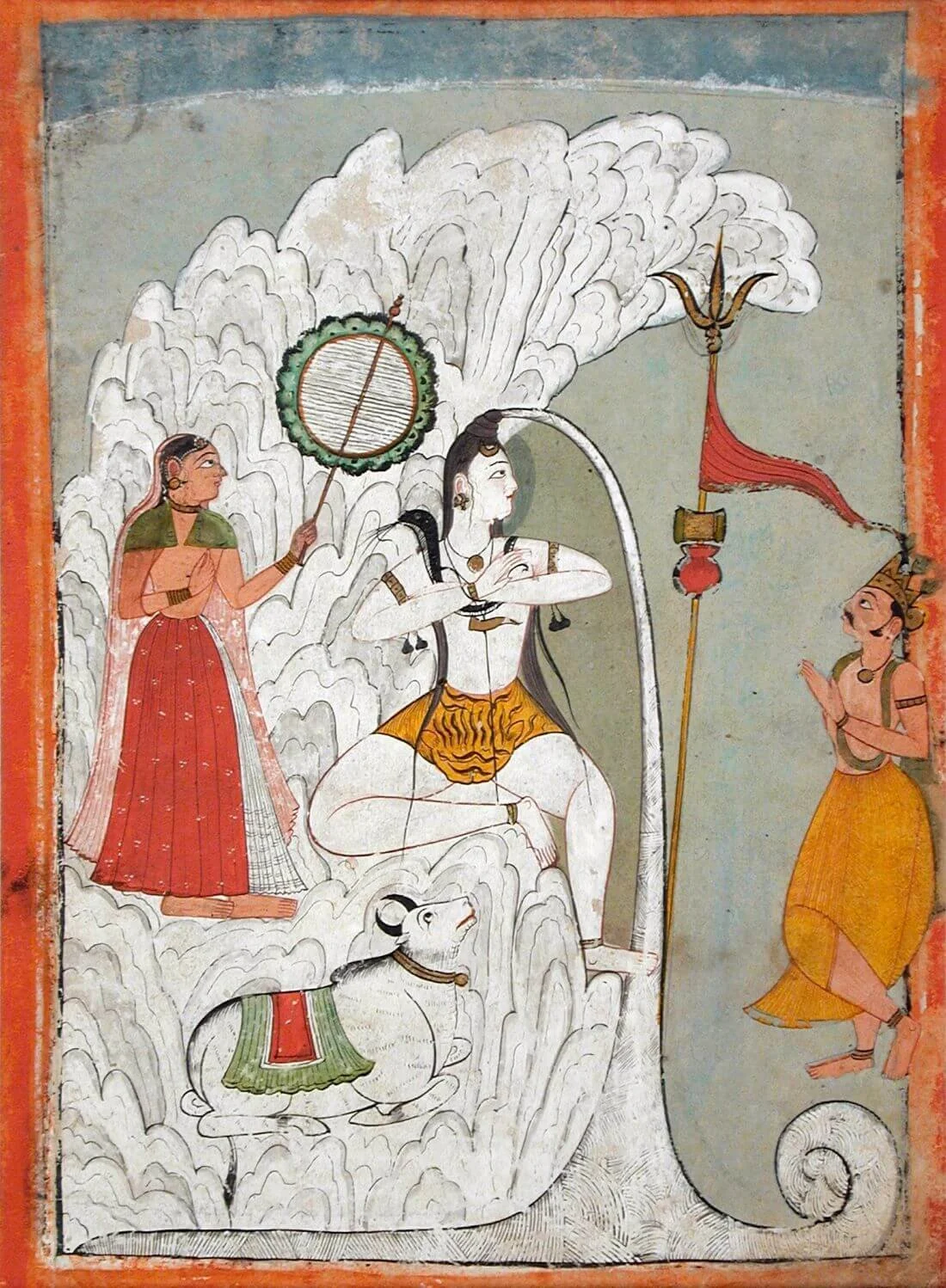
Shiva Bearing The Descent Of The Ganges River - C. 1740
The force of Gaṅgā descending from the celestial realms would have shattered the Earth itself. Bhagīratha therefore turned to Śiva, the great ascetic, Mahākāla, Lord of Time, beseeching him to receive her.
Śiva consented.
Gaṅgā descended with immense force into his jaṭā, where her currents became bound within the labyrinth of his matted locks. Only after long ages did Śiva gently release her streams upon the Earth.
Bhagīratha walked before her across mountains, forests, and sacred lands until at last her waters reached the ashes of his ancestors in Pātāla.
The moment Gaṅgā touched them, sixty thousand souls were liberated.
For this reason she is worshipped on Gaṅgā Daśamī as Daśa Hara — “She who removes ten sins” — dissolving accumulated impurities of thought, speech, and action.
The phrase Bhāgīratha prayatnam, “Bhagīratha’s effort,” remains in Bhāratiya tradition as the measure of unwavering and seemingly impossible endeavour undertaken in devotion.
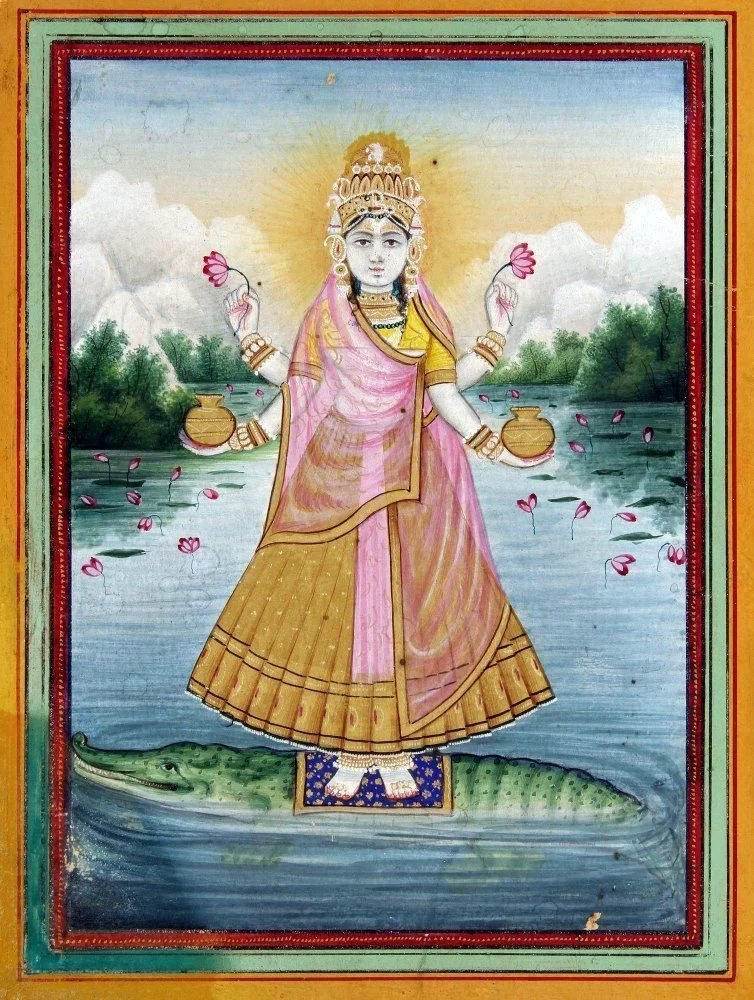
Artowrk: Pinterest
What this observance reveals is that certain prayers move across generations. Aṃśumān and Dilīpa carried it. Bhagīratha completed it — Through sustained tapas, the impossible was finally drawn from heaven into Earth.
May we remember what is worthy of such perseverance.
Oṁ Gaṅgāyai Namaḥ | Jaya Bhāgīrathī