
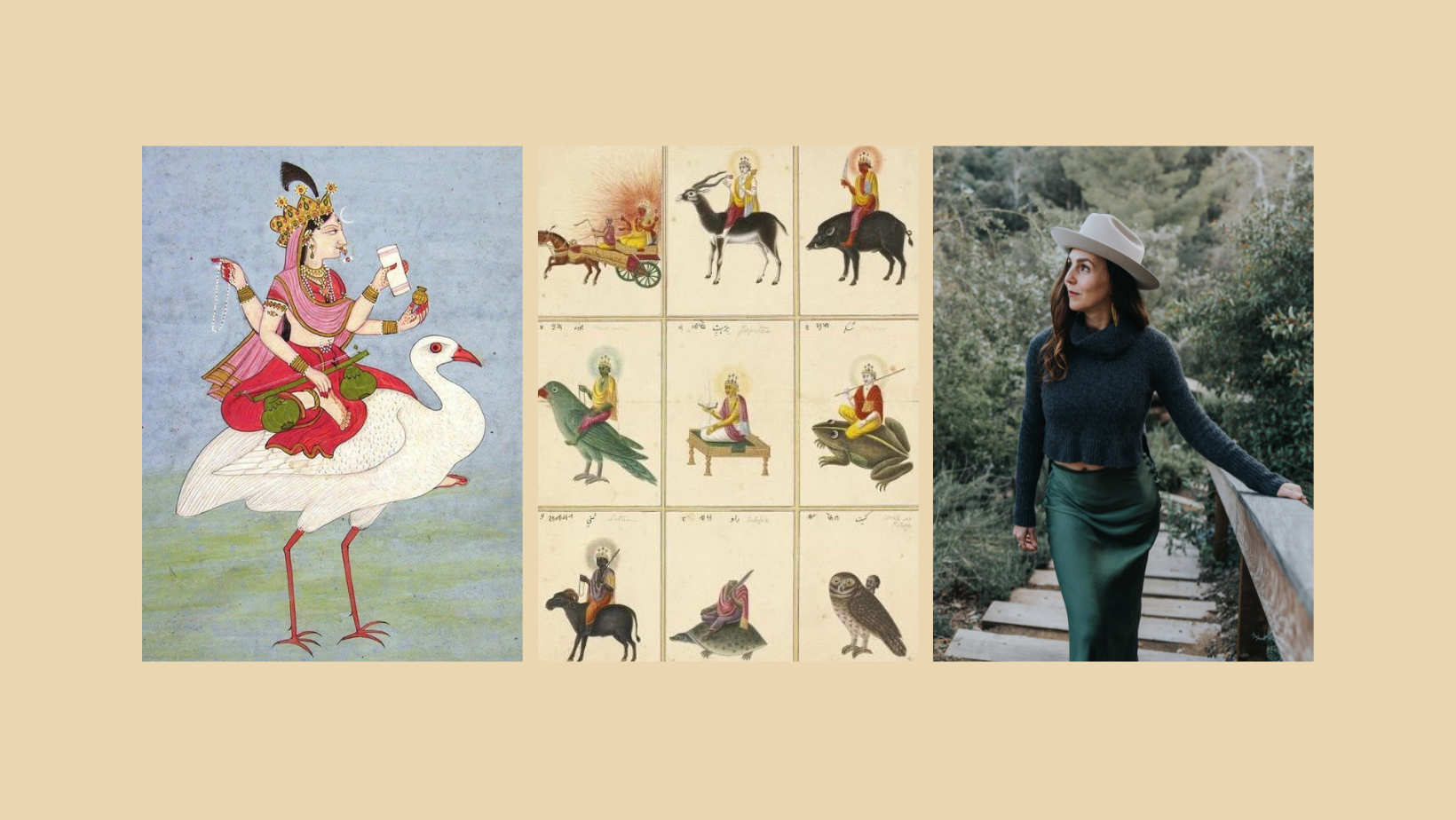
DHŪMĀVATĪ JAYANTĪ
June 21st
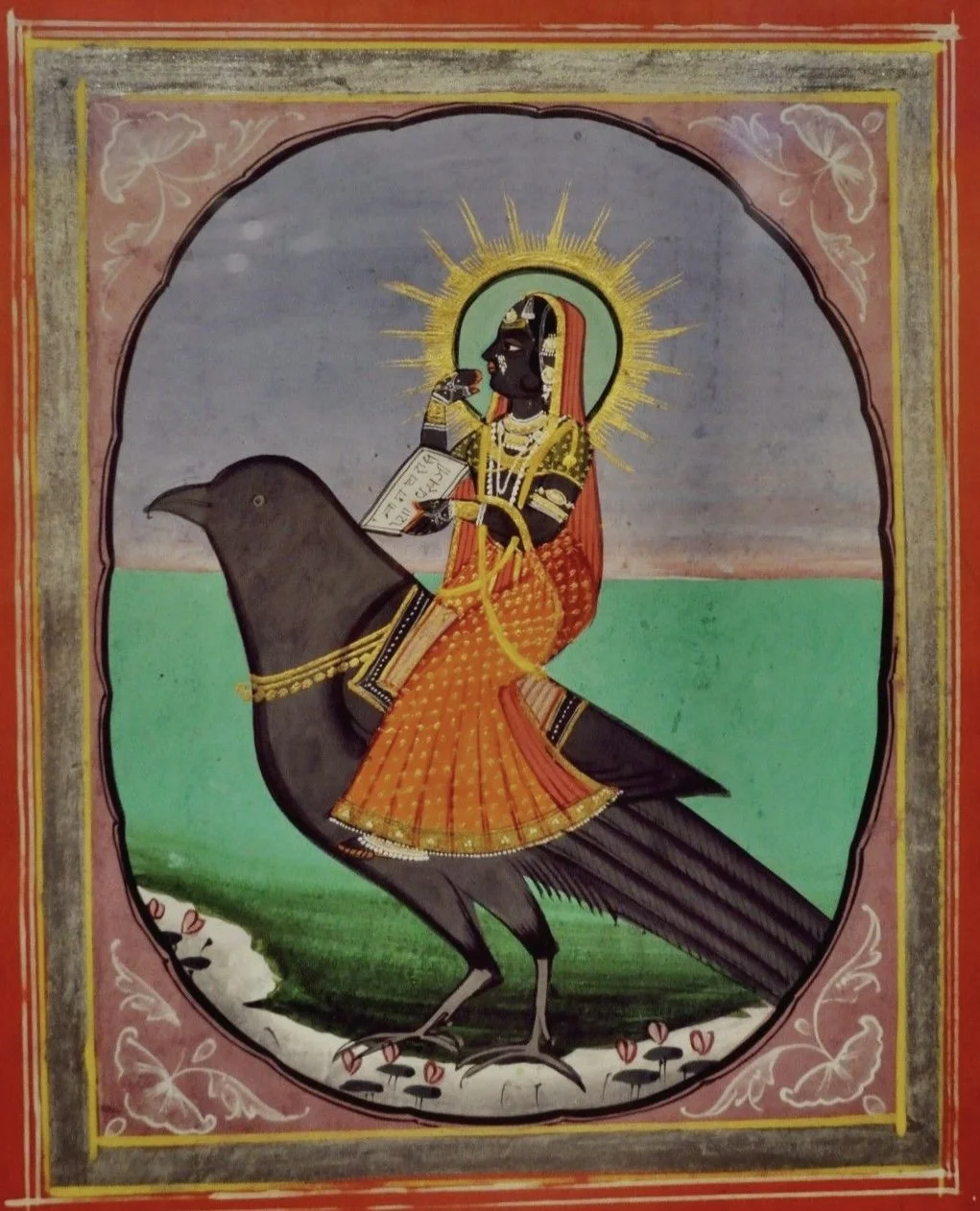
Dhūmāvatī Jayantī falls on Jyeṣṭha Śukla Aṣṭamī (the eighth day of the waxing Moon), honoring the smoky and enigmatic seventh of the Daśa Mahāvidyās, often depicted with a crow and crow-bannered chariot, who embodies the wisdom of dissolution, renunciation, and uncompromising truth.
Her name means “The Smoky One”—that which remains after the fire has consumed its fuel.
Unlike the radiant and ornamented forms of Śakti, Dhūmāvatī appears as the elder crone: unadorned, austere, beyond worldly seduction, revealing the hidden teachings within emptiness, disappointment, endings, and the stark grace of what has been stripped away.
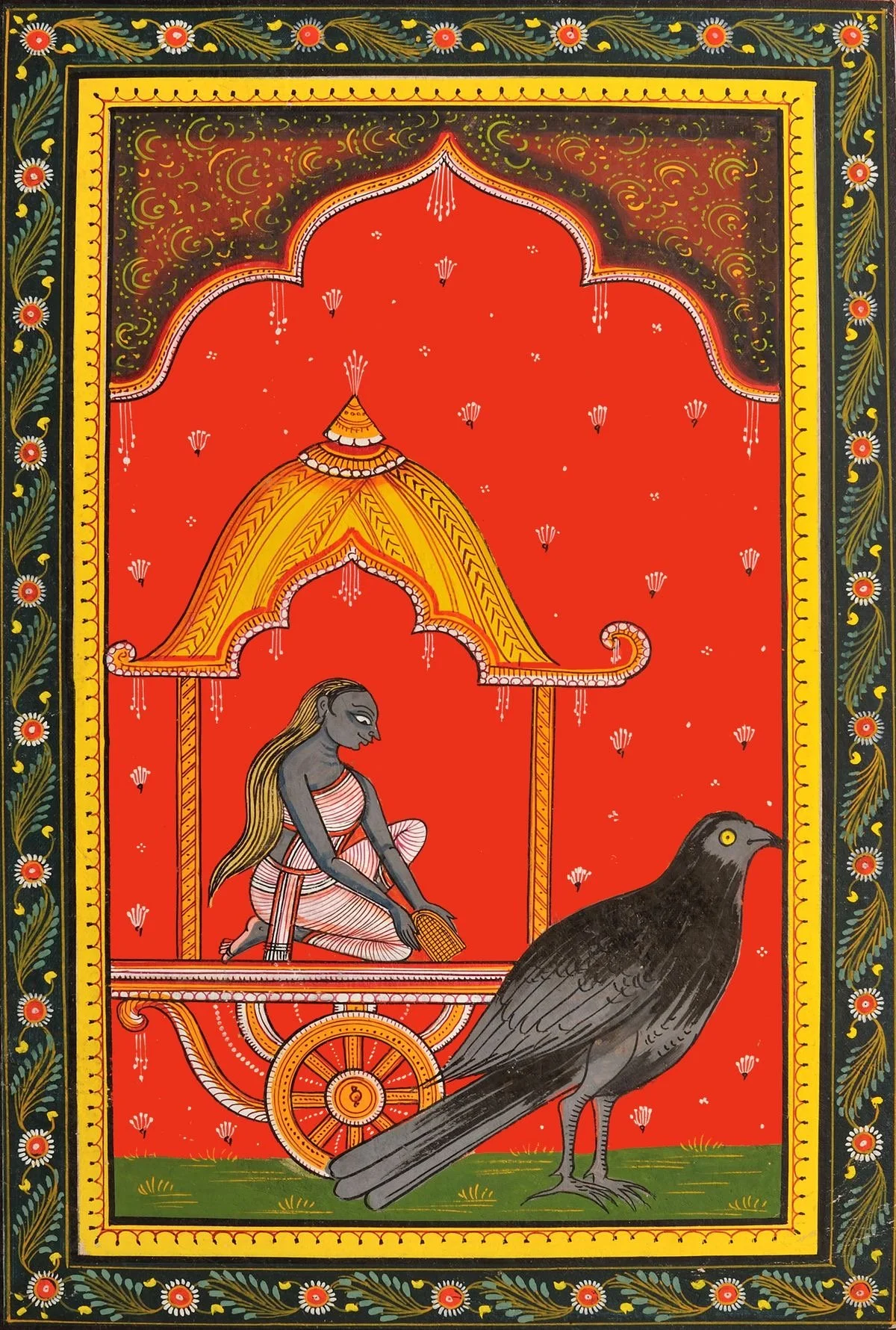
She is traditionally associated with Ketu, the mokṣa-karaka who severs attachment, dissolves false identity, and compels spiritual maturation through detachment and discernment.
Like Ketu, she reveals the hidden imprint beneath identity and appearance, uncovering what remains when all that is transient has fallen away.
Dhūmāvatī governs the liminal spaces where worldly certainty falls silent—grief, isolation, karmic exhaustion, and the mysterious intervals in which life no longer reflects familiar forms.
Yet she is not merely a goddess of loss. Beyond dissolution, she points toward a deeper freedom. Within the apparent void, or Śūnya, lies a profound freedom, one not dependent upon circumstance, identity, or possession.
In the language of Tantra, Dhūmāvatī is not only the smoke of dissolution but the wisdom revealed through it. She invites us to relinquish what has completed its purpose, to endure the uncertainty of transition, and to discover the quiet presence that remains when identity, ambition, and attachment no longer define us.
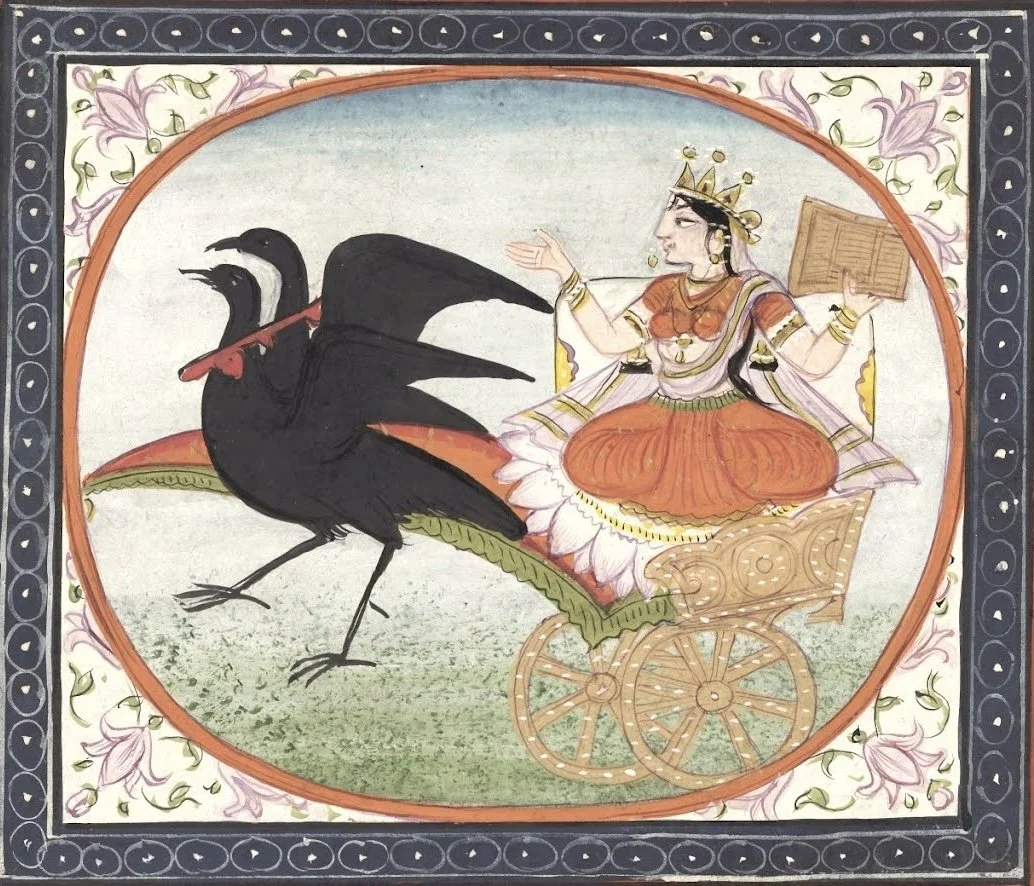
Dhūmāvatī teaches that what appears barren may be profoundly fertile; that within the smoke of dissolution, truth remains; and that liberation often begins where illusion ends.
धूं धूमावत्यै नमः
Dhūṁ Dhūmāvatyai Namaḥ