
VAIKĀSI VIŚĀKAM
May 29/30 | வைசாகி விசாகம்
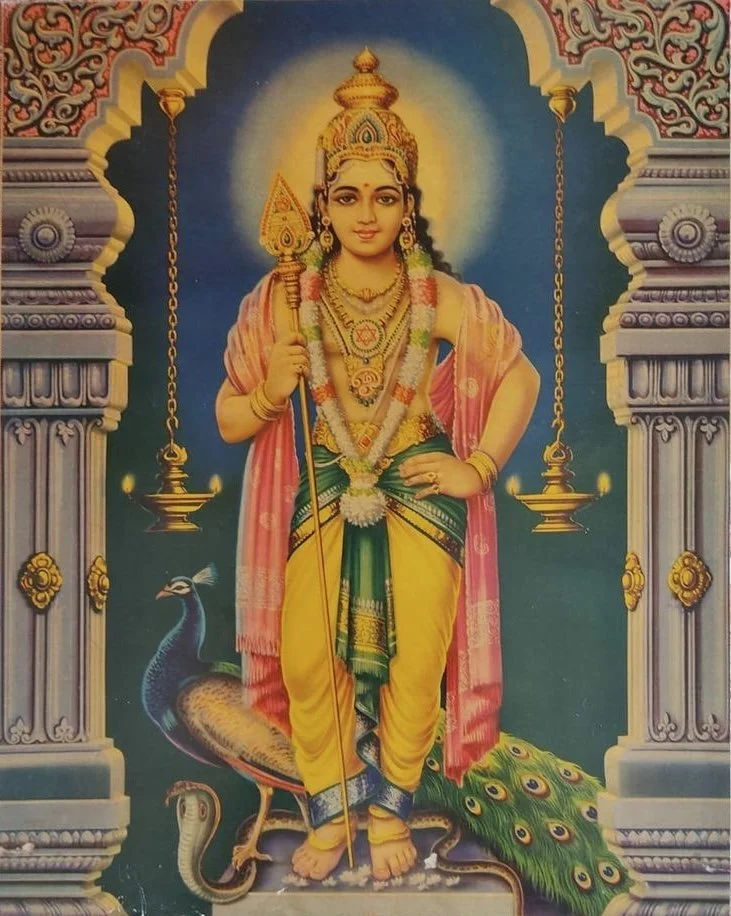
Commencing as the Moon transits Viśākhā Nakṣatra, the Star of Purpose, during the Tamil month of Vaikāsi, Vaikāsi Viśākam commemorates the divine appearance of Lord Murugan—Skanda, Kārttikeya, and Subrahmaṇya—the radiant son of Śiva and Pārvatī, wielder of the Vel, commander of the celestial armies, and protector of dharma.
Viśākhā, symbolized by the triumphal arch, signifies attainment after sustained effort and the realization that follows unwavering pursuit. Governed by Indra and Agni, this Nakṣatra carries the power to pursue a chosen aim with determination, devotion, and disciplined action until it bears fruit. Its śakti, Vyāpana Śakti, is the power to achieve many and varied fruits.
When the devas could no longer withstand the growing tyranny of Tārakāsura, they sought refuge in Lord Śiva. A boon had rendered the asura nearly invincible, for only a son born of Śiva could defeat him.
From the intensity of Śiva's tapas emerged a radiant and unbearable fire, a force so powerful that neither heaven nor earth could contain it. Agni, Devatā of sacred fire and ruler of Kṛttikā Nakṣatra (New Moon of May), became the bearer of this divine radiance.
From this fiery essence emerged six luminous children who were nurtured and protected by the Kṛttikās, the wives of the Ṛṣis whose stars illuminate the heavens as the radiant cluster known today as the Pleiades. Through these celestial mothers, Murugan receives the name Kārttikeya—"He who was raised by the Kṛttikās."
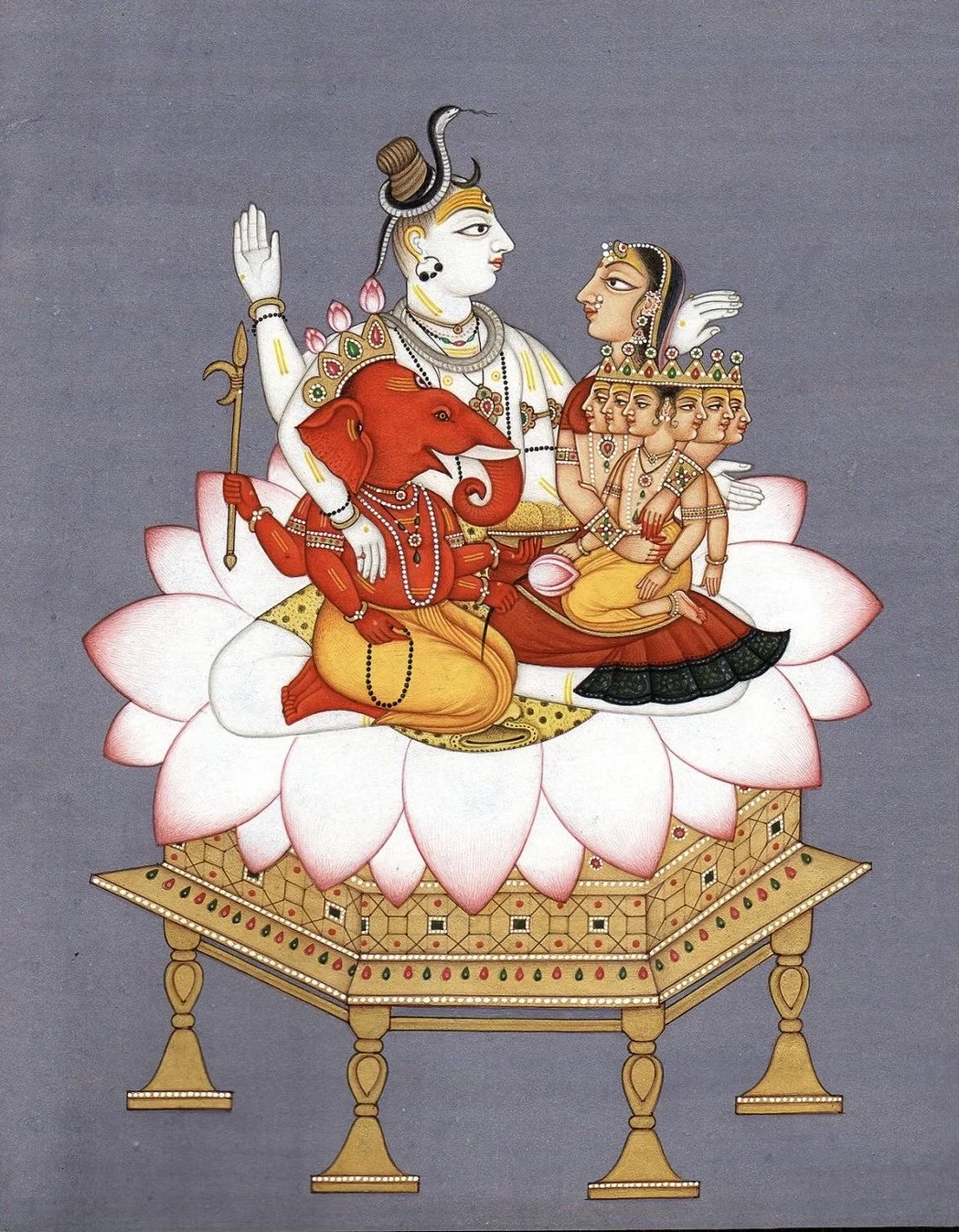
When Devī Pārvatī gathered the six children into her embrace, they became one—Ṣaṇmukha, the Six-Faced Lord, whose vision extends in every direction and whose awareness perceives all dimensions simultaneously.
Before his battle against the forces of adharma, Pārvatī bestowed upon Murugan the Vel, the sacred spear that would become his defining emblem. More than a weapon, it represents jñāna śakti—the power of divine wisdom to pierce ignorance and reveal truth. Sharp, luminous, and unwavering, the Vel embodies discernment, courage, and spiritual clarity.
Known as the Star of Fire, Kṛttikā is governed by Agni and possesses Dāhana Śakti, the power to burn, purify, and transform. Associated with Lord Murugan (Kārttikeya)—God of War, wielder of the spear, and rider of the peacock—this Nakṣatra embodies courage, directed intelligence, and spiritual refinement.
Its symbols—the razor, blade, and sacred flame—speak to the refinement that occurs when what is no longer aligned is offered into the fire. The blade of Kṛttikā severs what has completed its purpose, clearing the way for aligned emergence and the restoration of dharma.
Born from divine fire, nurtured beneath the watch of the Kṛttikās, and united through the grace of Pārvatī, Murugan emerges as the warrior sage destined to restore balance and protect dharma.
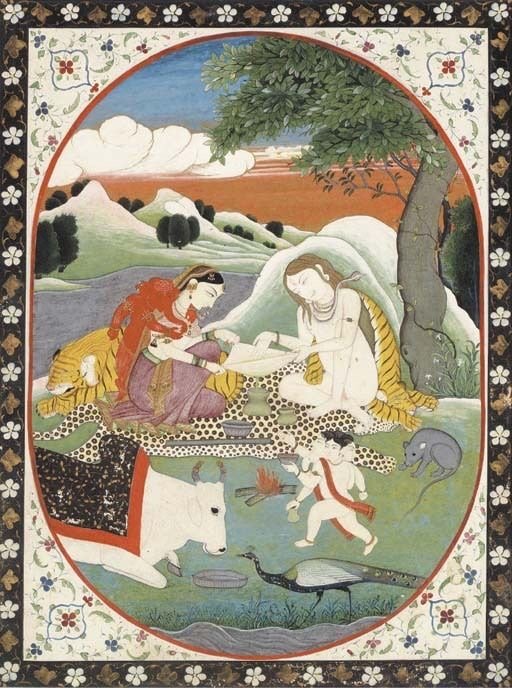
In time, Murugan would defeat both Tārakāsura and the formidable asura Sūrapadma. Yet the deeper teaching lies not merely in conquest, but in transformation. From Sūrapadma emerged the peacock that serves as Murugan's vāhana and the rooster that adorns his banner, revealing the capacity of divine wisdom to transform even opposition into an instrument of awakening.
In Jyotiṣa, Murugan is associated with Maṅgala Graha, carrier of Agni Tattva—governing courage, protection, decisive action, and dhāraṇā, the capacity to gather one's awareness upon a singular aim.
ॐ सरवणभवाय नमः
Om Saravaṇabhavāya Namaḥ
All My Relations