
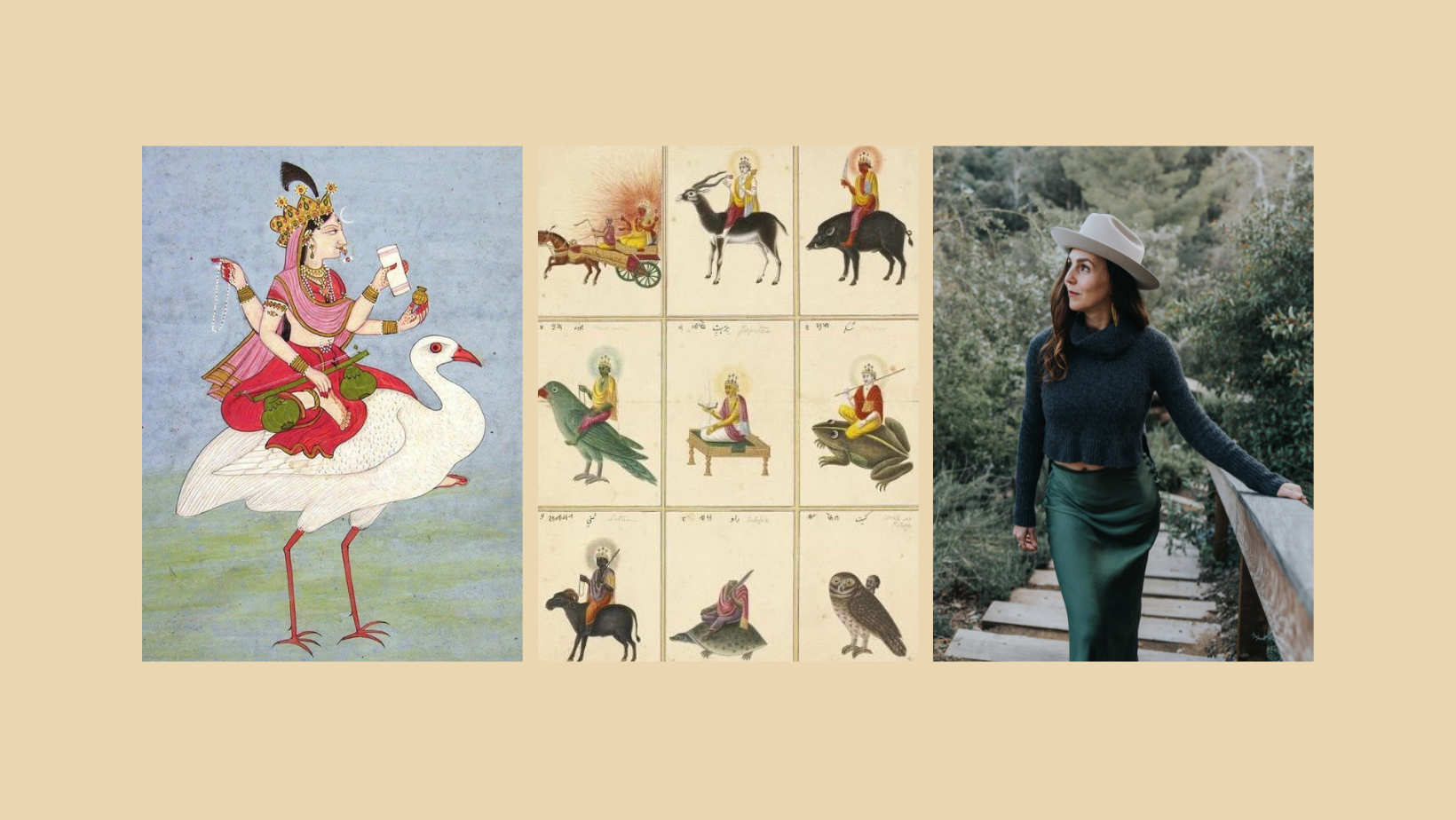
PADMINĪ EKĀDAŚĪ
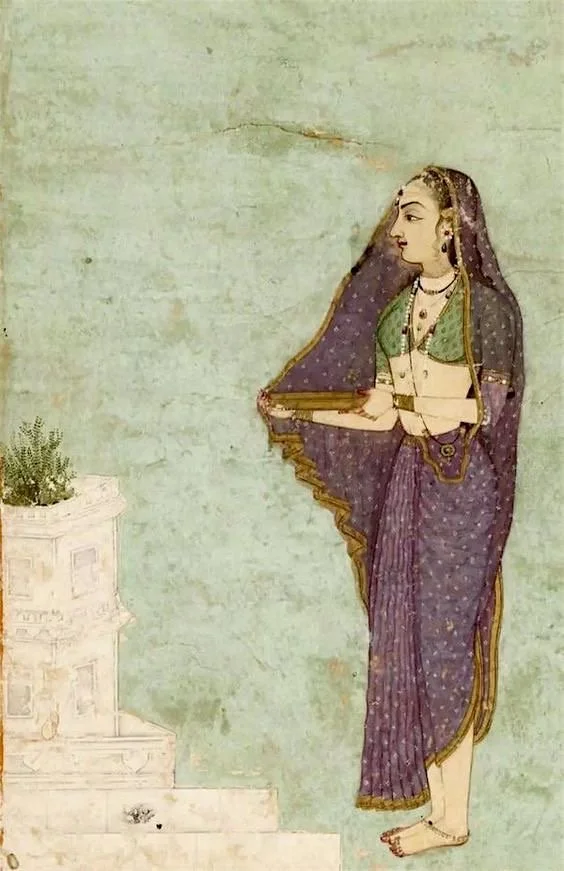
पद्मिनी एकादशी | 05.26
Falling on the eleventh lunar day of the bright half of Adhika Māsa — the intercalary month received by Viṣṇu as Purushottama — this Ekādaśī arises only when the lunar calendar itself expands. It appears once every 32 months at most, and some years not at all. That rarity is not incidental. It is the teaching.
The Story
In the Treta Yuga, King Kṛtavīrya ruled the kingdom of Māhiṣmatī with righteousness and care for his people. He had performed powerful yajñas, given generously in dāna, and fulfilled every outer duty of dharma. And yet, across a hundred wives, across years of prayer, no son came to carry the lineage forward. The weight of that absence followed him everywhere.
Unable to remain still in his grief, he left the palace. His first queen, Padminī, went with him into the forest. Not as a passive companion but as a seeker in her own right. Together they undertook severe austerities for years. Still, no blessing came.
It was Padminī who moved what the years of tapas could not.
In the forest, she encountered the sage-consort Anasuya, who perceived what the queen and king had not yet understood: that the specific timing of their observance had been missing. Anasuya revealed to Padminī the hidden power of this Ekādaśī — the one that only opens when time itself expands, within Adhika Māsa.
Padminī received the vrata vidhi with full attention and observed it exactly as instructed.
She fasted completely. She remained awake through the night in vigil. She held unbroken remembrance of Hari. Lord Viṣṇu appeared before her.
He turned to her husband and said: Ask for what you desire. Your queen’s devotion has moved me.
The king asked for a son — one who could not be defeated by gods, serpents, or demons. The boon was granted. In time, Queen Padminī gave birth to Kartavīryārjuna, a warrior so formidable that even Rāvaṇa could not overcome him.
This is the lineage of this day. Not passive waiting, but a queen’s precise and disciplined love moving karma itself.
The Significance
Padminī Ekādaśī carries a quality distinct from the 24 regular Ekādaśīs of the year. Because it falls within Adhika Māsa — itself already understood as a sattvic and spiritually amplified period, a “time outside time” — this observance is considered doubly potent in the tradition.
Adhika Māsa is the lunar calendar’s correction, the extra month inserted approximately every 32 months to realign the lunar and solar years. In the Purāṇic understanding, this month belongs to Viṣṇu as Purushottama — the supreme, beyond the ordinary count. What is offered here carries amplified karmic weight. Even subtle acts of restraint, remembrance, and inner stillness register more deeply than usual.
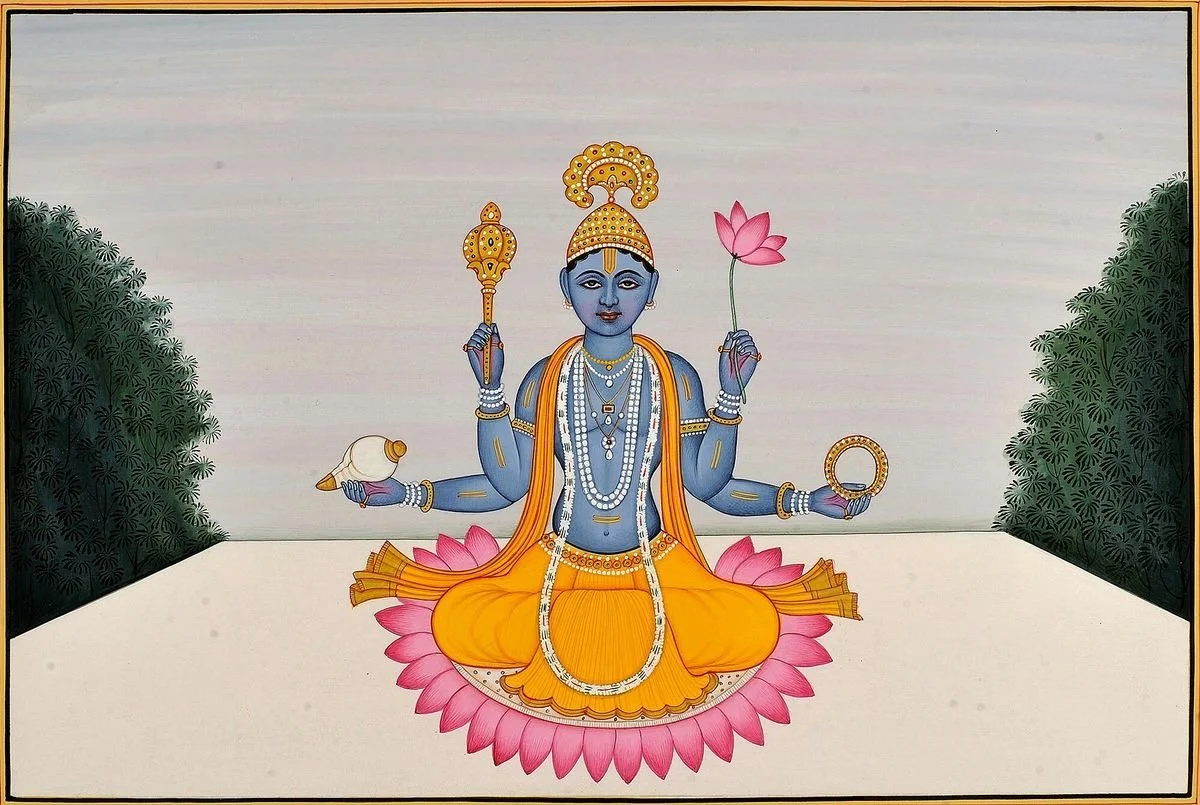
The Traditional Themes of this Ekādaśī:
Purification of karmic residue — particularly subtle attachments, memory imprints, and relational entanglements that have outlasted their purpose.
Dhārmic realignment — a recalibration back to one’s own right path during a window where the field itself is more receptive.
Inner restraint as grace — fasting, night vigil, and devotional recitation not as force, but as a quiet clearing.
Ekādaśī has long been understood within the tradition as a tithi uniquely suited for vrata, japa, and inward practice. As the Moon’s influence upon the body’s jala-tattva lessens, the system naturally becomes lighter, quieter, and more receptive to subtle states of awareness. For this reason, fasting on Ekādaśī is not approached merely as dietary restraint, but as a refinement of prāṇa itself — a temporary withdrawal from density in service of remembrance.
The Practice
The practice is simple in form. Its depth is in the sincerity brought to it. Fast from grains and beans. Those who cannot fast fully may observe a fruit and water fast, or reduce food to one simple meal taken with intention.
Chant the names of Hari throughout the day — Viṣṇu Sahasranāma, nāma japa, or simply the continuous inner repetition of Om Namo Bhagavate Vāsudevāya.
Remain awake through the night of Ekādaśī in remembrance. Sleep on this night is traditionally said to break the vrata.
Break the fast the following morning, on Dvādaśī, after sunrise.
ॐ नमो भगवते वासुदेवाय ॥
Tithi:
5/25 — 16:41 PST through 5/26 — 18:25 PST
5/26 — 5:11 IST through 5/27 — 6:22 IST
Vrata is traditionally observed on the day when the Ekādaśī tithi is present at sunrise in your location.