Mars Retrogrades in Puṣyā: The Star of Nourishment

Mars Retrogrades in Puṣyā

मंगल वक्री
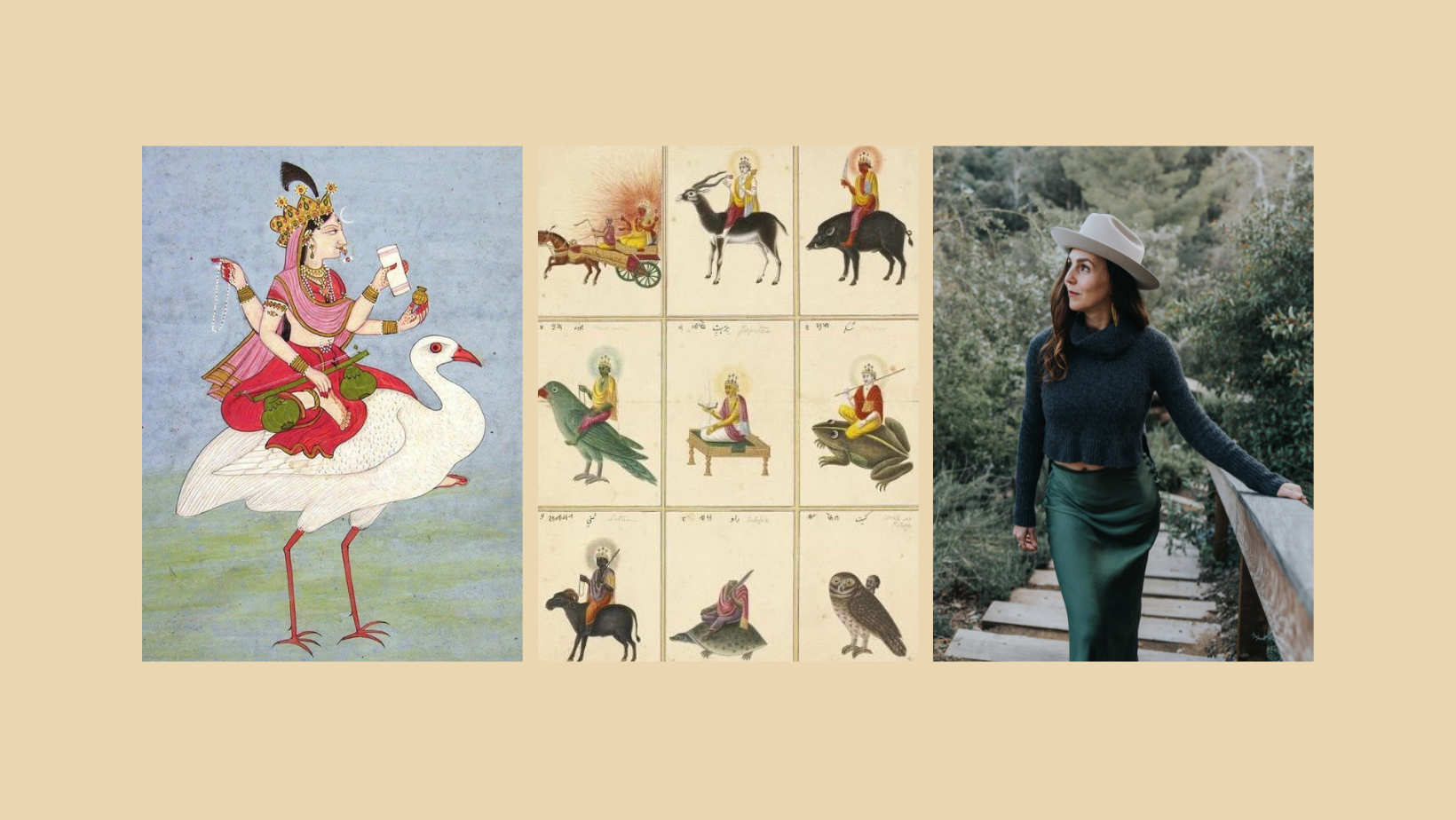
Bagalamukhi, Punjab Hills. Circa 1820. Unknown - Bagalāmukhī बगलामुखी

December 6th - February 24th

On December 6/7th mars (maṅgal) retrograded in the Vedic Lunar Mansion of Puṣyā पुष्या (Cancer), the Star of Nourishment. Retrograde season is in full effect with mars, mercury and jupiter in vakrī. The energies have elevated to the next level with Sun passing through the karmic gaṇḍānta point (between fire and water - Scorpio) through the 18th.

Mars retrogrades approximately every two years, marking a significant phase where its influence on our actions and motivations is notably altered. The Sanskrit word for retrograde planets is vakrī—meaning twisted or crooked, symbolizing a planet’s altered energy flow as it appears to move backward in the sky. Puṣyā is where maṅgal becomes nīca (debilitated), and its energies, often misunderstood, can manifest as a delicate dance between emotional nourishment and assertive action. 

During this cycle you may experience waning motivation, making even simple tasks feel burdensome, accompanied by emotional fluctuations that swing between bursts of energy and lethargy. This period invites us to manage our energy and reactions carefully, as impulsivity may increase, leading to quicker responses and burnout. Practice regulating your nervous system and prioritize rest.

Allegedly born from the sweat of Lord Śiva during his tapas, maṅgal graha is said to be associated with the Mahāvidyā, Bagalāmukhi. She is said to embody the power of speech, is often associated with the ability to silence enemies and protect devotees from harm.

Mars is known as Deha Karaka — the significator of the body, the heart, and the immune system, as he is the defense system within our bodies. He is the carrier of Agni (fire) tattva, the indicator of one-pointed focus, the lord of logic, power, preservation, and violence. He represents protection, particularly the protection of innocence. 

The wealth we seek here isthe  spiritual energy or puṇya (merit), accumulated through tapasya and graced by divine guidance. Drinking from this reservoir empowers us to protect our nervous system, home, and community while channeling nourishment to sustain material abundance—avoiding distraction and burnout.

The śhakti of this nakṣatra holds the energy of invocation—initiating the ability to harness creative and spiritual energy, which provides the wisdom and abundance to nourish both the spiritual and material worlds. This lunar mansion is symbolized by the milk-yielding udder of the cow, which is impartial to all that she nourishes. 

Pinterest - Mangal

Just as the mother gives love unconditionally, without question or thought of return, the same food or knowledge that assimilates experience into wisdom and transmutes nourishment into usable energy can also manifest as indigestion when consumed thoughtlessly or in excess. 

Much like the goat, the animal medicine for this Nakṣatra, which consumes without regard for the consequences and is later confronted with all that it has ingested, you may find yourself in a situation that compels you to confront certain truths about what you've been 'taking in'—be it experiences, habits, or emotional baggage.

As the retrograde unfolds, Mars reenters the constellation of Punarvasu on January 13th, and into Gemini on the 21st—offering us a chance to revisit energies from the fall. With heightened intensity during retrogrades, it’s essential to slow down, process information thoughtfully, and remain present and patient with your goals. Embrace this time as an opportunity for a potent course correction, transformation, and renewal, allowing the wisdom of past lessons to inform your path forward.

This retrograde invites a reflective pause to nourish both body and spirit with intention. Use this time to reassess your actions, cultivate patience, and align your efforts with clarity. By slowing down and revisiting past lessons, you can emerge renewed, with a deeper understanding of how to protect and channel your energy toward lasting growth and abundance.

ॐ ह्रीं बगलामुखी देव्यै नमः 

“Having never left the house you are looking for the way home.”   Nisargadatta Maharaj

NOTEWORTHY DATES:

January 13th: Mars re-enters Punarvasu

January 21st: Mars re-enters Gemini 

February 23/24: Mars stations direct in Punarvasu (Gemini)

March 29: Mars re-enters Cancer

New Moon in Anurādhā: The Star of Success

NEW MOON अमावस्या

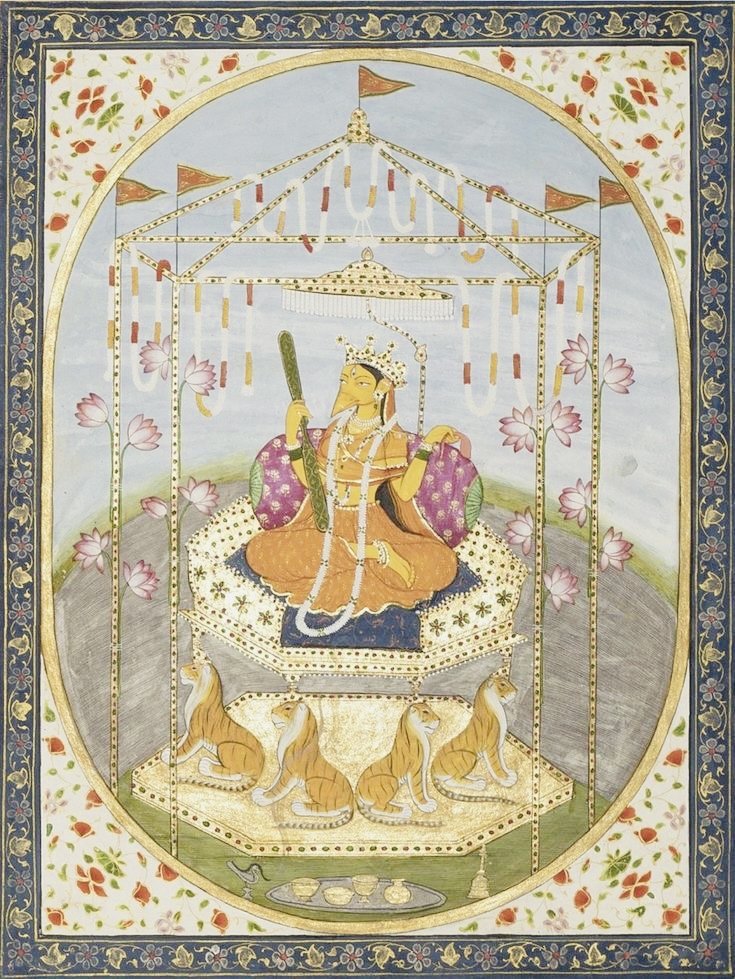
Artwork: Pinterest - Sant Mīrābāī

11/30 22:22 PST | 12/1 14:21 Bali

The new moon rises in the Vedic lunar mansion of Anurādhā अनुराधा (Scorpio), the Star of Success. Anurādhā awakens the potential for healing in relationships and sparks the ability to cultivate devotion to something greater than oneself — to a higher love. This is a potent alignment, inviting you to ground yourself in stability while embracing the transformative power of devotion, healing, and renewal.

This constellation seeks to build and harmonize with community, to collaborate and form deep and sincere friendships and lasting alliances. Anurādhā is a universal solvent which naturally bridges discordant energies. Opportunities for great healing are initiated around the renewal of friendships and the beginning of new bonds. We’re readjusting our relationship with devotion through the power of inner worship. 

Anurādhā holds the śakti (energy) to turn the unconscious, conscious. Just like the majestic lotus flower that emerges from the mud, guided by the light of the Sun, you too will reach your goal in time. Be courageous and daring to go deeper than you’ve been willing to go — face the things that are unconscious now and bring it into the light of awareness. As this lunar mansion teaches us, it only takes a spark to ignite the thirst for deeper understanding.

The energy of worship (rādhāna śakti) becomes empowered here — what are you willing to offer your unwavering devotion to? Śrīmatī Rādhārāṇī (Lord Kṛṣṇa’s eternal consort), born under this very star of Anurādhā, embodies the highest expression of devotion — a love so selfless and pure that it transcends all worldly boundaries. Her steadfastness, even in the face of separation, reveals the transformative power of patience and humility, qualities intimately tied to Saturn’s lessons. To contemplate her is to glimpse the soul’s ultimate potential for union with the Divine, a devotion that endures beyond time itself.

The new moon aligns with Mercury retrograde — that which you seek, the protection of your nevrous system, and the reclamation of your seat of power — is energized by turning to the inward path, tracking roots of who you are. Seek the hidden counsel of the dark goddess, the primordial force that dwells in the depths of your being, guiding you to reclaim the throne at the center of your wheel. This is the essence of Anurādhā’s wisdom — the power to transmute darkness into light through unwavering devotion and self-discovery.

When both Jupiter and Saturn cast their gaze on the same house, they invoke not only a profound longing for something enduring but also the grace to manifest it in material form. Jupiter bestows optimism and abundance, while Saturn instills discipline and structure, weaving a powerful synergy that nurtures the realization of lasting, tangible results. This alignment invites further reflection on how we can harness the rhythms and pulse of this cycle for growth and stability in our lives.

All my Relations

“Ground yourself, strip yourself down, To blind loving silence. Stay there, until you see You are gazing at the Light With its own ageless eyes.” - Rūmī رومی 

Mercury Retrograde in Jyeṣṭhā: The Elder Star

MERCURY RETROGRADE IN JYEṢṬHĀ

Artwork: Painting; gouache on watermarked paper. Indra, cheif of the gods and the gauardian of the east, on his elephant Airavata, Trichinopoly. ca 1825 | Unknown 

Mercury comes to a standstill and retrogrades in the constellation of Jyeṣṭhā (ज्येष्ठा), the Elder Star, on November 25/26th. This constellation, situated at the pinnacle of material success, is symbolized by a protective amulet. Jyeṣṭhā awakens the power to conquer the subconscious, urging us to claim our seat and reflect on our commitments and relationship with responsibility.

Mercury embodies rajoguṇa (the mode of passion) and pṛthvī tattva (the earth element). Revered as the radiant son of the Moon (Chandra), Mercury is the bestower of discernment and the karaka (significator) of intellect, eloquent speech, the nervous system, communication, the student, skill, neutrality, and balance.

During this retrograde, Mercury will traverse the gaṇḍānta point (the karmic knot between water and fire) three times over the next month. There can be moments of feeling like you’re drowning or as if you’re experiencing a washing machine effect. This position holds immense power. Use this cycle with courage and wisdom, as the window for reflection, reassessment, renewal, and reimagination is brief yet potent.

This current lunation cycle has brought forth the need to preserve energy and purify that which has become stagnant or no longer contributes to growth. Since November 15th, we have been distilling the powerful teachings awakened during Saturn’s four-and-a-half-month retrograde. Now, we are invited to tend even more deeply to the inward path.

There’s a calling towards an ascension — to claim and become stationed in the seat of oneself. We’re being asked to tend to the renewal and protection of our nervous system and of our spinal region, a rejuvenation and energizing of our vital fluids in order to attain favor and align with the ineffable force that nourishes a seed to sprout and eventually blossom. We’re asking this intelligence, the one that decides fate, to protect us from distraction through the 9 gates (of the body) and to aid in the maintenance of our seat. Slow down. Step onto the inward path.

Jyeṣṭhā prospers through the right use of natural law and invites us to embrace spiritual practices, mindful movement (yoga, martial arts, tai chi, qi gong), occult knowledge, intuition, and prayer (mantra). These tools ground us and provide stability amidst change. Growth may feel uncomfortable, and emotions may run high. Observe the unfolding story with patience, neither resisting nor clinging to what is moving through.

Mercury begins its retrograde journey at the potent gaṇḍānta point, retraces its steps through Anurādhā, the Star of Success, and turns direct on December 15th. This retrograde invites us to unravel the threads of misalignment, allowing purification to ripple through the mind and heart. It is a call to peel back layers of distraction, over-commitment, or misdirection that cloud clarity. As Mercury traverses the karmic knots of gaṇḍānta, it beckons us to refine inner and outer dialogues, clearing pathways for deeper discernment.

What truths are ready to emerge as you revisit old commitments? What sacred boundaries must be reclaimed or fortified to nurture your highest aspirations? This is a moment to align intention with action, to clarify where your devotion lies, and to ensure your choices reflect the grounded responsibility of Jyeṣṭhā’s wisdom.

Be mindful of potential communication challenges, misunderstandings, and delays in creative projects. Revisit past decisions and reevaluate your relationship with responsibility with patience and care. Allow extra time while traveling, be thorough, and triple-check information to prevent errors or misinterpretations. Above all, be kind and gentle with yourself and others during this reflective period.

All My Relations

ॐ नमो नारायणाय | Om Namo Nārāyanāya

“The desire to know your own soul will end all other desires.” - Rūmī رومی 

Kāla Bhairavā Jayantī

Kāla Bhairavā Jayantī

भैरवाष्टमी

On November 22nd, we celebrate Kāla Bhairavā Jayantī, marking the culmination of an eight-day festival dedicated to Kāla Bhairava, the fierce manifestation of Lord Śiva. Observed on the Aṣṭamī tithi (the eighth day) of the waning moon in the Vedic month of Kārttik (November/December), this auspicious occasion invites deep introspection and reverence for the divine.

Kāla Bhairavā embodies the complex relationship between time and existence. As the keeper of time, he maintains cosmic order and is believed to have control over the past, present, and future. The term 'kala' refers not only to time but also to the cyclical nature of reality, while 'Bhairavā' signifies a fiercely terrifying aspect. This duality highlights how time governs all aspects of life, including creation and destruction. His ugra form serves as a poignant reminder of life’s impermanence and inevitable passage and consumption of all things. Time is often viewed as a cosmic force that consumes everything in its path, which holds divine authority to 'digest' all forms of existence, including deities like Brahmā (the creator) at the end of an age. This relentless nature of time inevitably leads to transformation and renewal, symbolized by the rebirth of Brahmā with each cycle.

During Bhairavāṣṭamī, devotees uphold fasts and offer sincere prayers to Lord Bhairavā. This festival is particularly significant because it marks the day when Lord Śiva took on the form of Kāla Bhairavā. The legend states that Lord Brahmā’s arrogance led to his fifth head being chopped off by Bhairavā, symbolizing Bhairavā’s role in removing ego and promoting humility.

In Vedic mythology, Bhairavā is often depicted with a black dog who represents loyalty, protection, and dharma (righteousness). The dog serves as Bhairavā's vahana (vehicle), emphasizing unwavering devotion and safeguarding sacred bonds. According to legend, when Sage Vishwanath encountered Bhairavā, his loyal dog Bhadrak was sent to test his faith—a testament to loyalty’s enduring value in spiritual practice.

Worshiping Kāla Bhairava is believed to provide profound protection from negative energies, fostering courage and resilience in the face of life's challenges. His fierce appearance symbolizes a commitment to dismantling illusions and guiding individuals toward spiritual growth and self-transcendence. By honoring Kāla Bhairava during Bhairavāṣṭamī, we align ourselves with the transformative energies he embodies, reminding us to respect time, uphold justice, and live harmoniously with our highest values.

This celebration encourages introspection, humility, and gratitude, helping practitioners navigate life with a deeper sense of purpose and balance. An all-night ceremony is observed on Bhairavāṣṭamī, filled with prayers, worship, and tales of Bhairavā, Śiva, and Pārvatī. At midnight, an arati of Bhairavā is performed with conches, bells, and drums. 

After a morning bath, devotees—especially those who worship Śiva—offer libations and oblations to their ancestors. The worship extends to include Bhairavā’s vahana (animal vehicle), the dog, which symbolizes loyalty and protection. Devotees also honor dogs by offering them milk, sweets, curds, and other food as a gesture of reverence.

Ultimately, the celebration of Lord Bhairavā not only deepens our connection to the divine but also reinforces the values of loyalty and devotion that are essential for spiritual advancement. By embracing these teachings, we cultivate a compassionate awareness that enriches our lives and those around us.

ॐ भैरवाय नमः | Om Bhairavaya Namah