

PRABODHINĪ EKĀDAŚī
प्रबोधिनी एकादशी
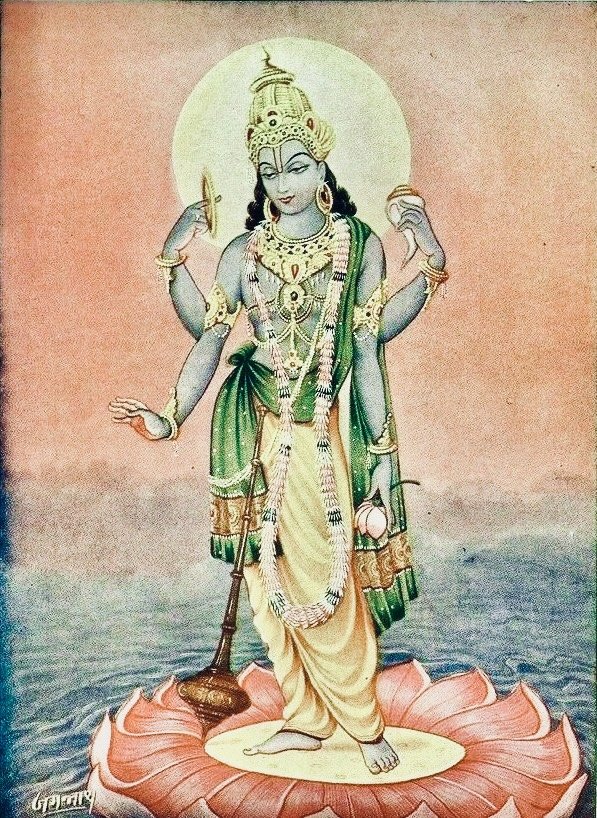
Artwork: Pinterest
Bali: 11/11 21:17 – 11/12 18:35 | USA PST: 11/11 5:17 – 11/12 2:35
On the Ekādaśī (11th lunar day) of the waxing fortnight in the month of Kārttik (October/November), Dev Utthāni Ekādaśī is observed. This Ekādaśī holds immense spiritual significance, as it marks the conclusion of Cāturmāsya, a four-month sacred period of tapas (austerity) and introspection.
Prabodhinī Ekādaśī, specifically, is the twenty-fourth of the twenty-six Ekādaśīs mentioned in the Garga-saṃhitā (4.8.9), highlighting its special place within the cycle of lunar days. Its importance is further emphasized by the fact that it marks the awakening of Lord Viṣṇu from His yogic sleep, a time when the cosmic energies shift and encourage spiritual renewal.
The Ekādaśī tithi (lunar phase) is said to be dear to Lord Viṣṇu, the sustaining energy of the universe. It is believed that He enters a state of yogic sleep on Śayanī Ekādaśī (June/July) and awakens on Prabodhinī Ekādaśī. This awakening symbolizes not only Viṣṇu’s return to active duty but also the restoration of divine balance. It serves as an invitation for individuals to awaken to their own spiritual awareness and renew their commitment to dharma.
Ekādaśī (happening twice a month) is a pivotal day in Vedic astrology, occurring on the eleventh lunar day, when the moon's gravitational pull influences our inner tides. It is said that the atmospheric pressure is at its lowest on Ekādaśī days. This tithi enhances our connection to the divine, making it an ideal time for fasting, purification, and spiritual practices.
Observing a fast (abstaining from grains and beans) and turning one's attention inward on this sacred Ekādaśī is believed to mitigate pāpa karma (negative actions, such as causing suffering or unhappiness to others) accumulated from previous lives, thereby accelerating spiritual growth and fostering a deeper connection to the divine.
The fast can vary in degrees: from complete abstinence of water, to drinking only water, to taking one meal at lunch (without grains or beans), or having a meal only at supper time. Personally, I will take one meal consisting of fruit. Chanting or listening to the Viṣṇu Sahasranāma is another powerful practice that helps attune oneself to the energies of the day. Many devotees also choose to stay awake all night and steep themselves in prayer and devotion.
Today, Tulasī Vivāha is also celebrated, marking the sacred marriage of the Tulasī plant and Lord Viṣṇu (in His form as Śrī Kṛṣṇa). Tulasī, revered as an incarnation of the goddess Lakṣmī, embodies purity, devotion, and healing properties, earning her the title of the “queen of herbs.” This marriage is not merely a ritual; it symbolizes the profound interconnection between nature and divinity, with Tulasī serving as a bridge between the earthly and spiritual realms. It also heralds the beginning of the auspicious wedding season according to Sanātana Dharma, inviting blessings of prosperity and harmony into our lives.


